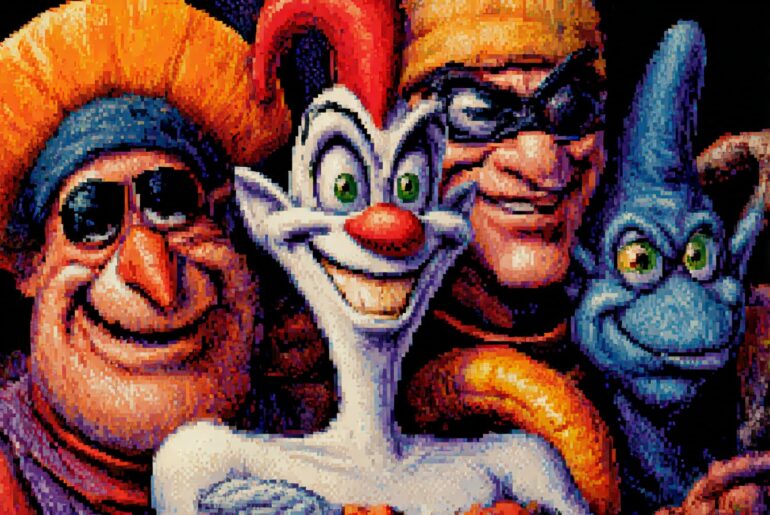
There's something unsettling about firing up Shadow Man on the N64 after twenty-odd years. I mean, you forget how genuinely disturbing some games were back then—not in that try-hard, gore-for-shock-value way modern horror does, but in a proper, creeping dread sort of way that made you glance over your shoulder even though you knew it was just pixels on a screen.
I picked up my copy from Electronics Boutique sometime in late '99, I think. The box art alone should've warned me what I was getting into—this skeletal figure wreathed in shadows, looking like he'd crawled out of a Louisiana bayou nightmare. But honestly? I was drawn to anything that pushed boundaries on Nintendo's "family-friendly" console. After years of colorful platformers and cartoon racing games, Shadow Man felt like contraband.
The opening cutscene hits you like a slap. Mike LeRoi, our protagonist, isn't your typical hero. He's dead, for starters. Well, sort of. The whole voodoo thing—becoming the Shadow Man, crossing between the world of the living and Deadside—it's genuinely unsettling stuff. Not because it's explicitly gory, but because it treats death and the supernatural with this matter-of-fact grimness that felt completely alien on N64.
What struck me most was how the game refused to hold your hand. You're dumped into this interconnected world of swamps, industrial complexes, and nightmare landscapes with minimal explanation. The map system? Practically useless. I spent hours wandering around Liveside (the living world) trying to figure out where the hell I was supposed to go. But that confusion wasn't frustrating—it was atmospheric. You felt lost because you were supposed to feel lost.
The Deadside sequences were where Shadow Man really came alive, if you'll pardon the expression. Walking through those twisted corridors, hearing the screams of tortured souls, collecting the dark souls of serial killers—this was mature gaming before we even called it that. I remember thinking my parents would absolutely lose their minds if they saw some of this content. There's something about a game where you're literally collecting the souls of real-world murderers that crosses lines Nintendo games weren't supposed to cross.
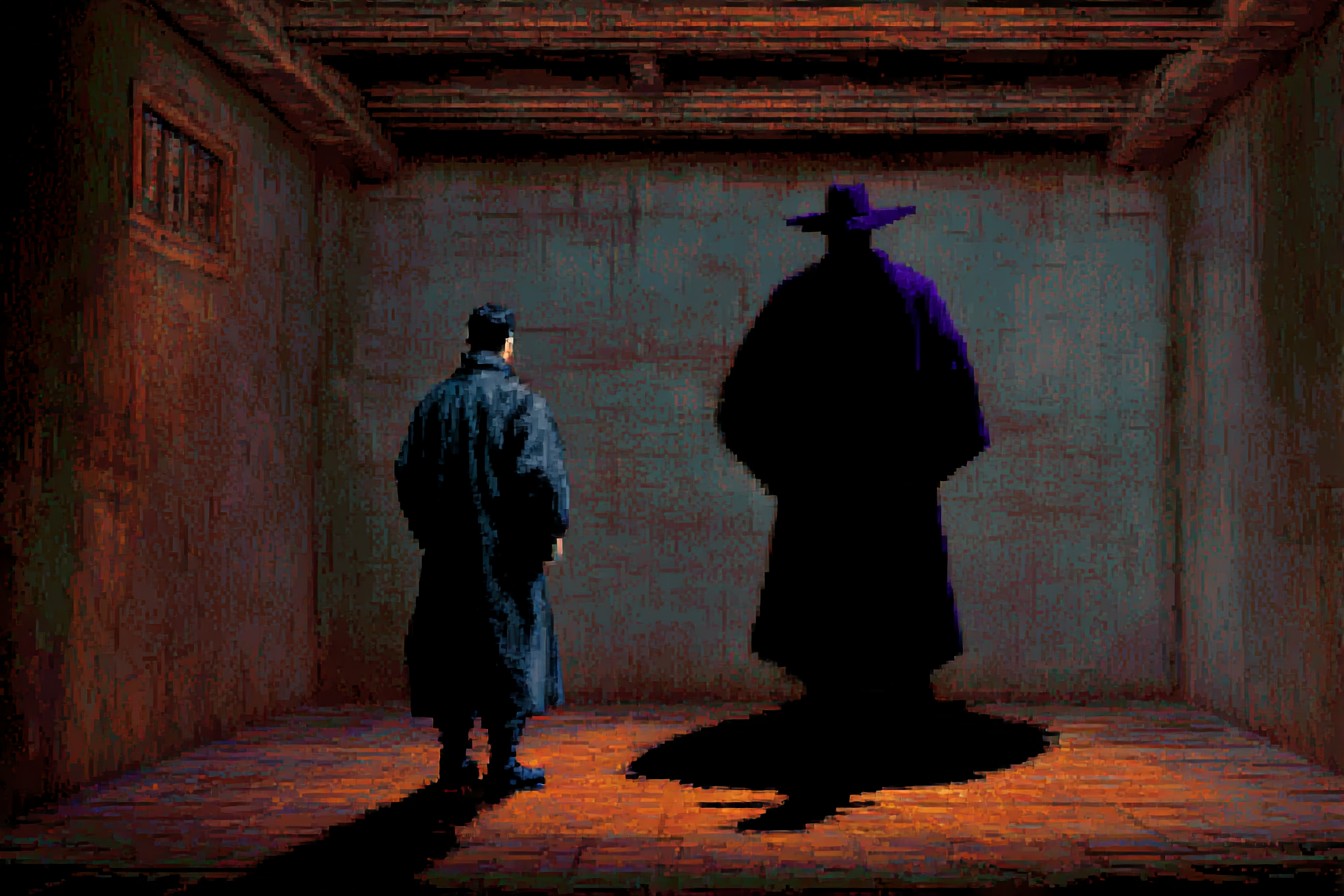
Technically, the game was impressive for what it was working with. The N64's texture memory wasn't exactly generous, but Acclaim managed to create these genuinely oppressive environments. The fog wasn't just a technical limitation—it became part of the atmosphere. You'd hear something moving in the distance, catch a glimpse of movement through the haze, and your skin would crawl. The draw distance might've been short, but it worked perfectly for building tension.
The soundtrack deserves special mention. Tim Haywood's score was this perfect blend of industrial noise and voodoo mysticism. It's not music you'd whistle while doing the washing up—it's uncomfortable, deliberately abrasive. I still get goosebumps when I hear those opening notes. The voice acting was surprisingly solid too, especially for a game that wasn't exactly AAA. Mike LeRoi had this weary, cynical tone that sold the character completely.
Combat felt weighty in a way that many N64 games didn't. Your guns actually felt like they had impact, and the enemy design was genuinely creative. Those screaming babies with guns for arms? Still gives me the creeps. The various demons and twisted creatures you encounter—each one felt like it belonged in this world, not just random monsters thrown in for variety.
What really set Shadow Man apart was how it treated its subject matter. This wasn't exploitation horror—it was using genuine folklore and mythology as the foundation for its story. The voodoo elements felt researched, respectful even, despite the dark content. There's a difference between using cultural elements as window dressing and actually building your narrative around them, and Shadow Man managed the latter.
I spent probably fifty hours exploring every corner of that game world. The interconnected level design was years ahead of its time—you'd find a door you couldn't open, file it away mentally, then return with the right item or ability hours later. It rewarded thorough exploration in ways that modern quest markers have sadly made obsolete. Finding all 120 dark souls was a genuine achievement, not just a checkbox to tick.
The game wasn't perfect, mind you. The camera could be an absolute nightmare in tight spaces—classic N64 problem. Some of the platforming sections were more frustrating than challenging, especially when you're trying to navigate Deadside's more abstract areas. And the loading times between worlds could test your patience, though they did add to the sense of crossing between dimensions.
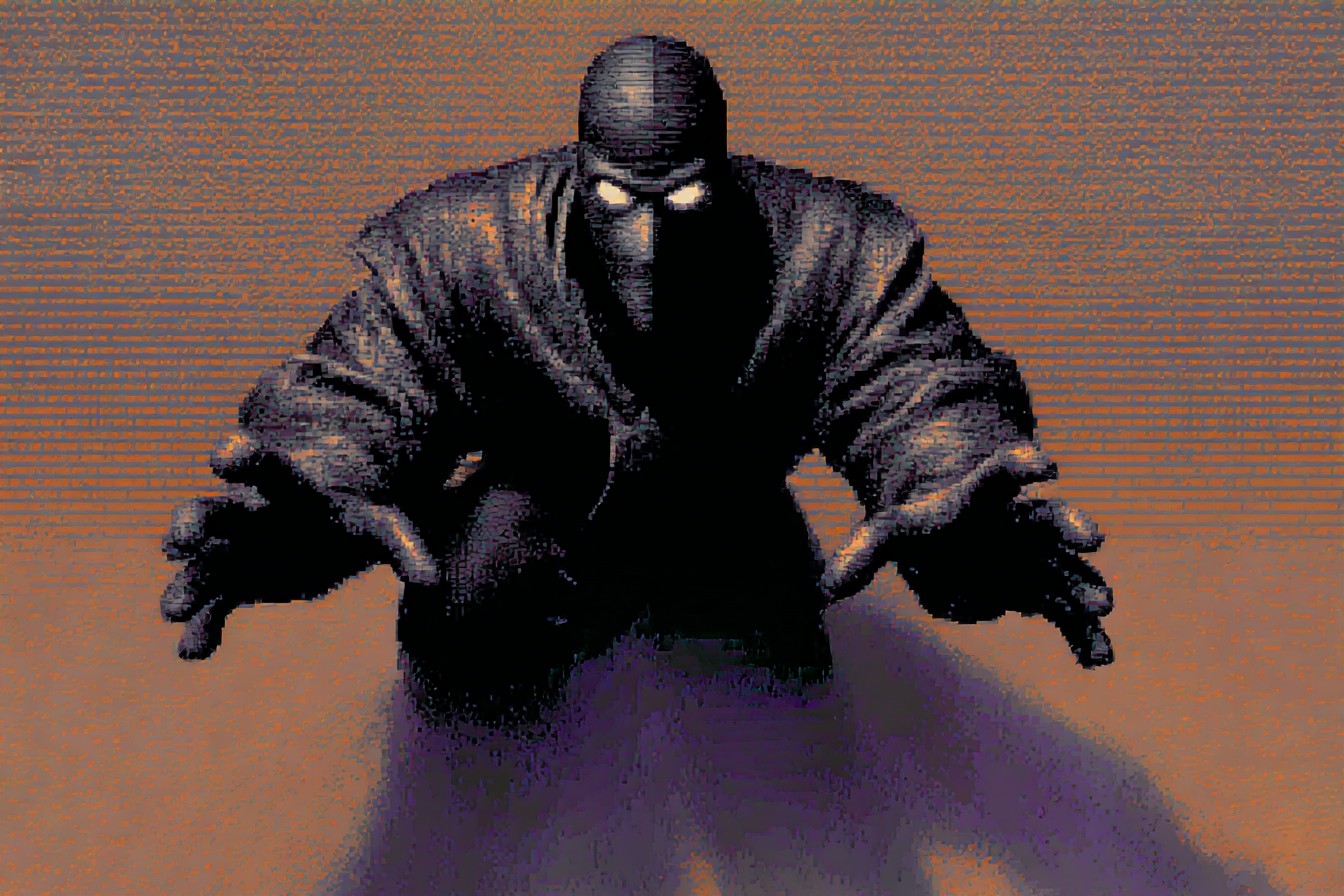
Playing it again recently on an emulator (my original cartridge finally gave up the ghost), I was struck by how well the atmosphere holds up. Graphics might look rough by today's standards, but good atmosphere is timeless. The sense of dread, the oppressive environments, the feeling that you're somewhere you shouldn't be—it's all still there.
Shadow Man proved that the N64 could handle mature content without sacrificing what made it special. It wasn't trying to be edgy for the sake of it—it had something genuine to say about death, spirituality, and the thin line between worlds. In an era dominated by colorful platformers and party games, it stood out like a gothic cathedral in a neighborhood of suburban houses.
I think that's what I miss most about that generation of gaming—the willingness to take genuine creative risks. Shadow Man could've easily been sanitized, made more palatable for broader audiences. Instead, Acclaim trusted players to handle complex, dark themes. They created something genuinely unique, a horror adventure that respected both its source material and its audience's intelligence.
Twenty-five years later, it remains one of the most atmospheric games I've ever played. Dark gaming excellence, indeed.