I spent fifteen years in IT management understanding that sometimes the best systems are the ones that maintain core philosophy while evolving technically. Panzer Dragoon Orta is exactly that kind of game. It’s a rail shooter – you’re on a dragon flying through predetermined paths shooting enemies. The fundamental design is pure arcade – you can’t deviate from your path, you just shoot things that appear. But the execution is sophisticated enough that the simple…

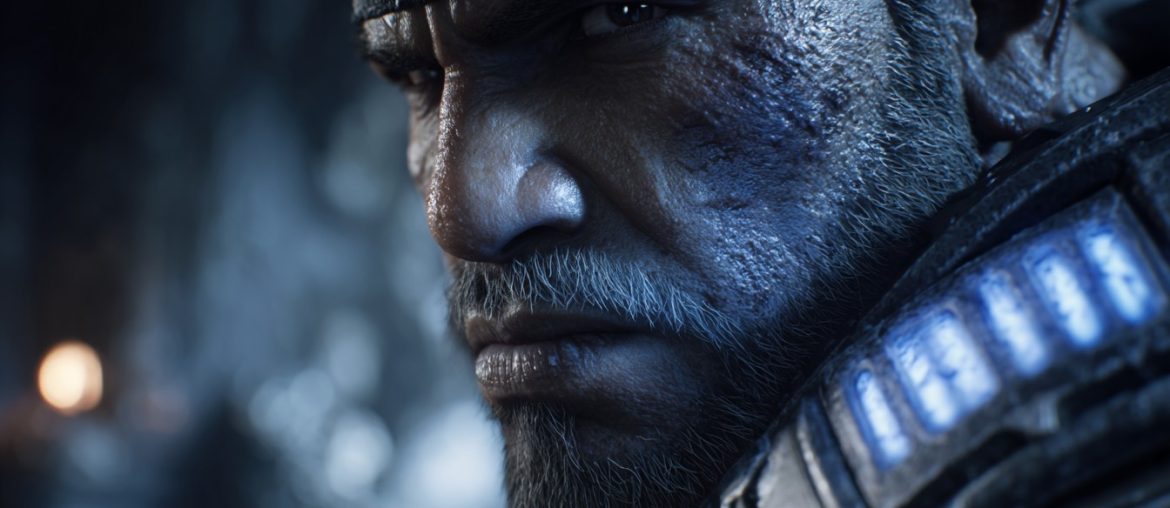
I’ve been analyzing game mechanics since the arcade era, which means I understand when a simple idea executed brilliantly creates a new genre. Gears of War’s cover mechanics are deceptively simple – you press a button to take cover behind objects and peek out to shoot. But that simplicity, executed with technical precision, created something revolutionary. The cover system became industry standard because it solved the core problem of third-person shooting – how to balance…
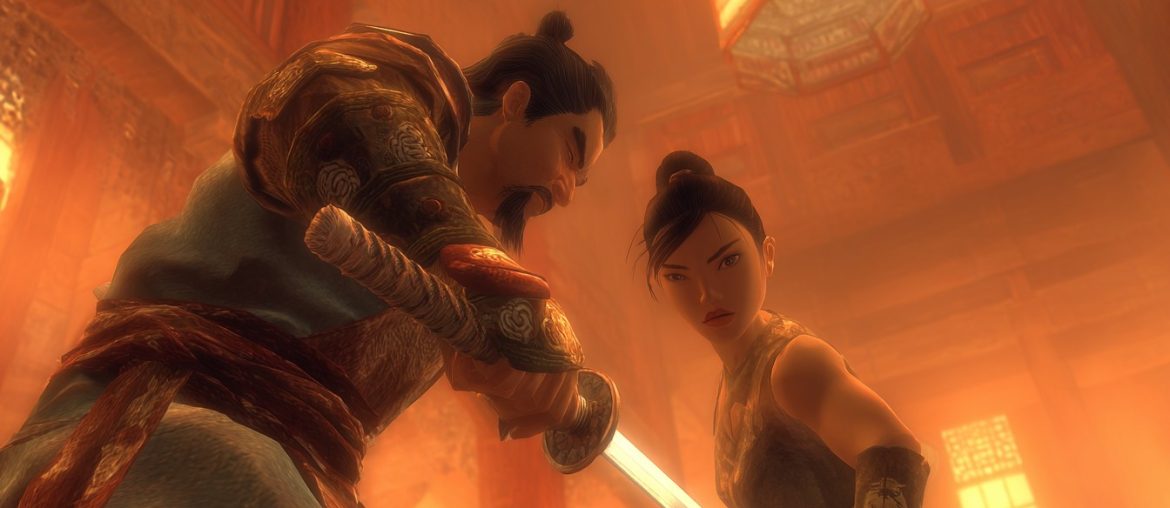
I came to Jade Empire expecting a competent action RPG set in an Asian-inspired world. What I found was a game that completely understands how to integrate real-time combat with RPG progression and storytelling. Coming from construction, I appreciate systems that solve specific problems elegantly. Jade Empire’s action system is elegant – it’s real-time but tactical, demanding skill without requiring frame-perfect execution. You’re a martial artist in a mythical Asian-inspired world called the Jade Empire.…
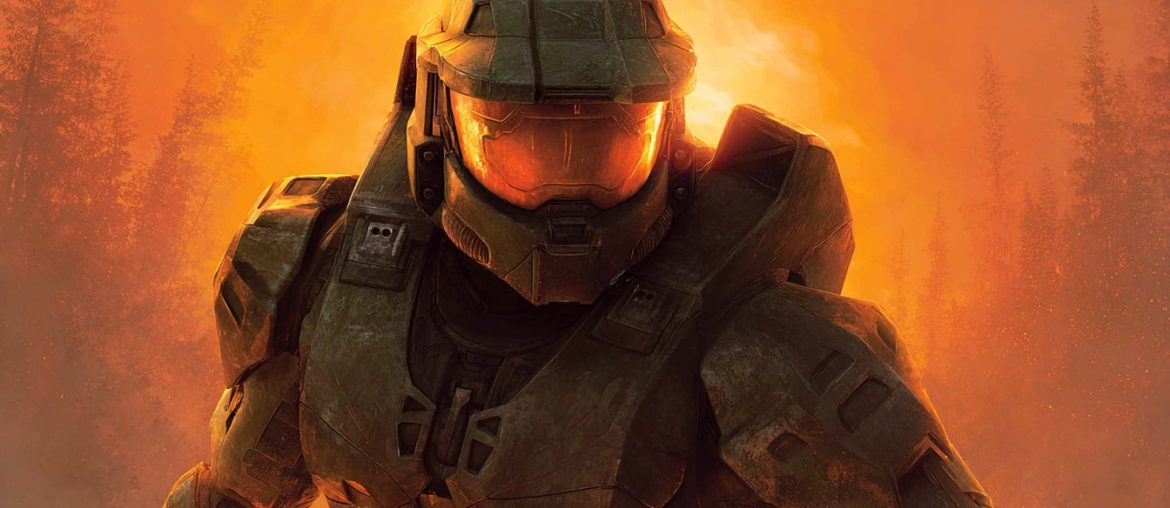
Here’s something I teach in my history classes – sometimes a single product creates the conditions for an entire industry shift. Halo 2 is that product for console gaming. It proved that consoles could have robust online infrastructure. It proved that competitive multiplayer could drive hardware sales. It proved that sequels could expand on foundations without losing what made originals special. Halo 2 didn’t just define Xbox Live – it defined what console gaming would…
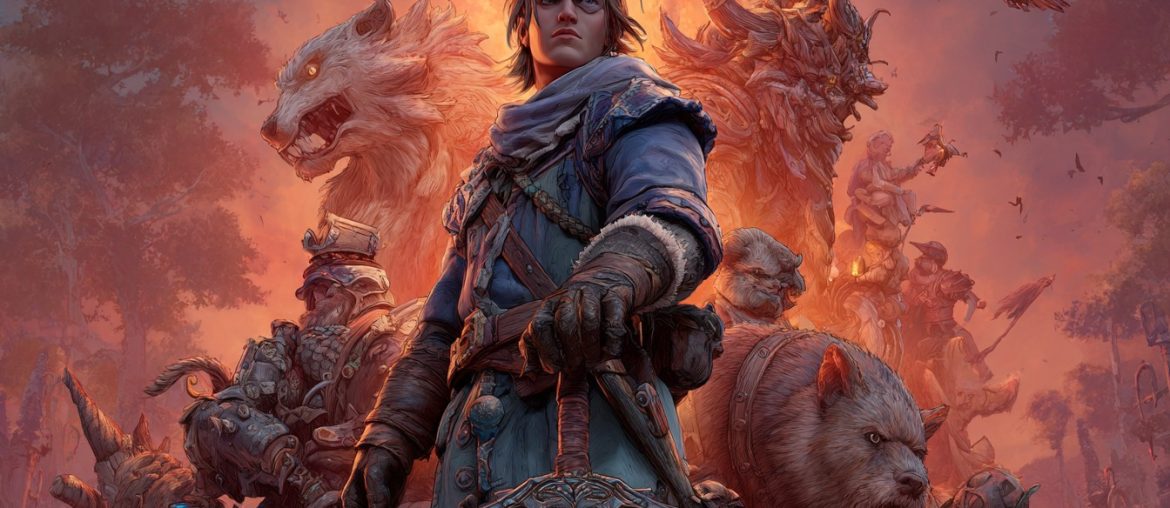
I spent fifteen years in IT management understanding that sometimes the best systems are the ones that respect user agency completely. Fable is a game that respects player agency in ways that were genuinely innovative for 2004. Your character’s appearance changes based on your actions. NPCs react to your morality. The world responds to your choices. This isn’t cosmetic choice – this is fundamental integration of player agency into game design. What impresses me about…
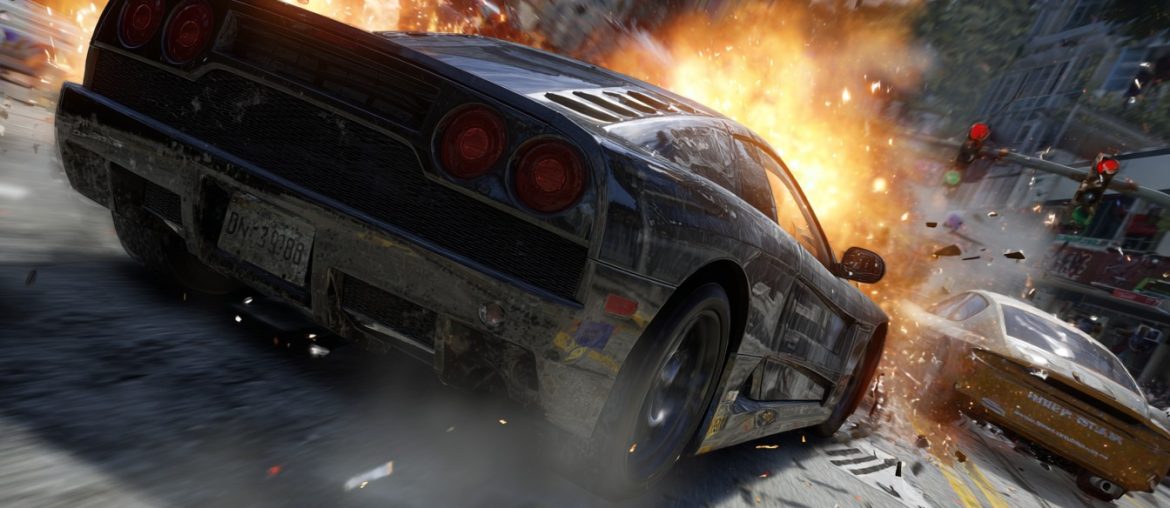
I came to Burnout 3 expecting a competent arcade racer. What I found was a complete philosophy shift about what racing games could be. Coming from construction, I understand something about breaking things down and rebuilding better. Burnout 3 took racing game conventions and completely rebuilt them around destruction as a core mechanic. Instead of avoiding crashes, you embrace them. You ram opponents. You create massive pile-ups. The wreckage becomes the point. This is design…
Here’s something I teach in my history classes – sometimes the best adaptations of existing franchises come from developers who aren’t afraid to ignore the source material’s most famous characters. Knights of the Old Republic proves this perfectly. BioWare made a Star Wars game that’s excellent not because it leverages Luke Skywalker or Darth Vader, but because it creates genuinely compelling original characters and tells a story that respects player agency through moral choice. Before…
I’ve been analyzing action game design since the arcade era, which means I understand when difficulty is punishing and when it’s fair. Ninja Gaiden by Team Ninja achieves the rare balance where extreme difficulty feels earned and fair. Ryu Hayabusa is a ninja fighting impossible odds with grace and precision. The combat demands mastery. You will die repeatedly. But death feels like your mistake, not the game’s unfairness. That’s design excellence. What impresses me about…
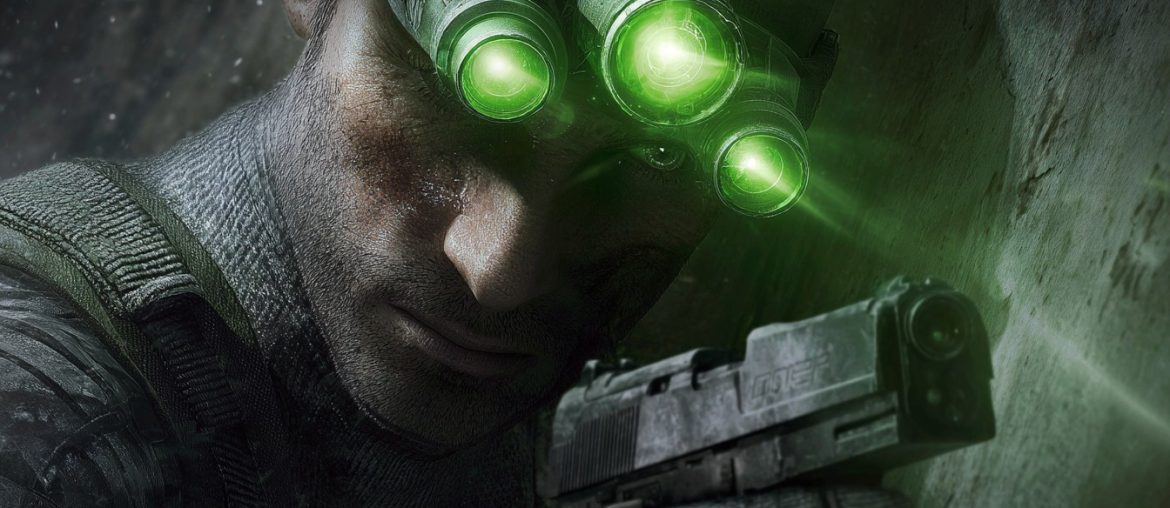
I’ve been gaming since the early 1980s, which means I’ve watched enough ambitious projects to recognize when a developer genuinely understands their vision. Splinter Cell is Ubisoft showing absolute mastery of third-person stealth design. This is a game where every system serves creating tense, careful, strategic gameplay. You’re Sam Fisher, a spy infiltrating enemy facilities using gadgets and stealth. The lighting system is fundamental – you can hide in shadows and visibility is realistic. You…
Here’s something I teach in my history classes – sometimes a single product can pivot an entire industry. Halo: Combat Evolved is that product. Microsoft entered console gaming in 2001 with aggressive marketing and significant third-party support, but they needed a system-seller. Something that would make people buy Xbox instead of PlayStation 2. Bungie delivered exactly that with Halo, and in doing so, proved that first-person shooters didn’t belong exclusively to PC gaming. Before Halo,…