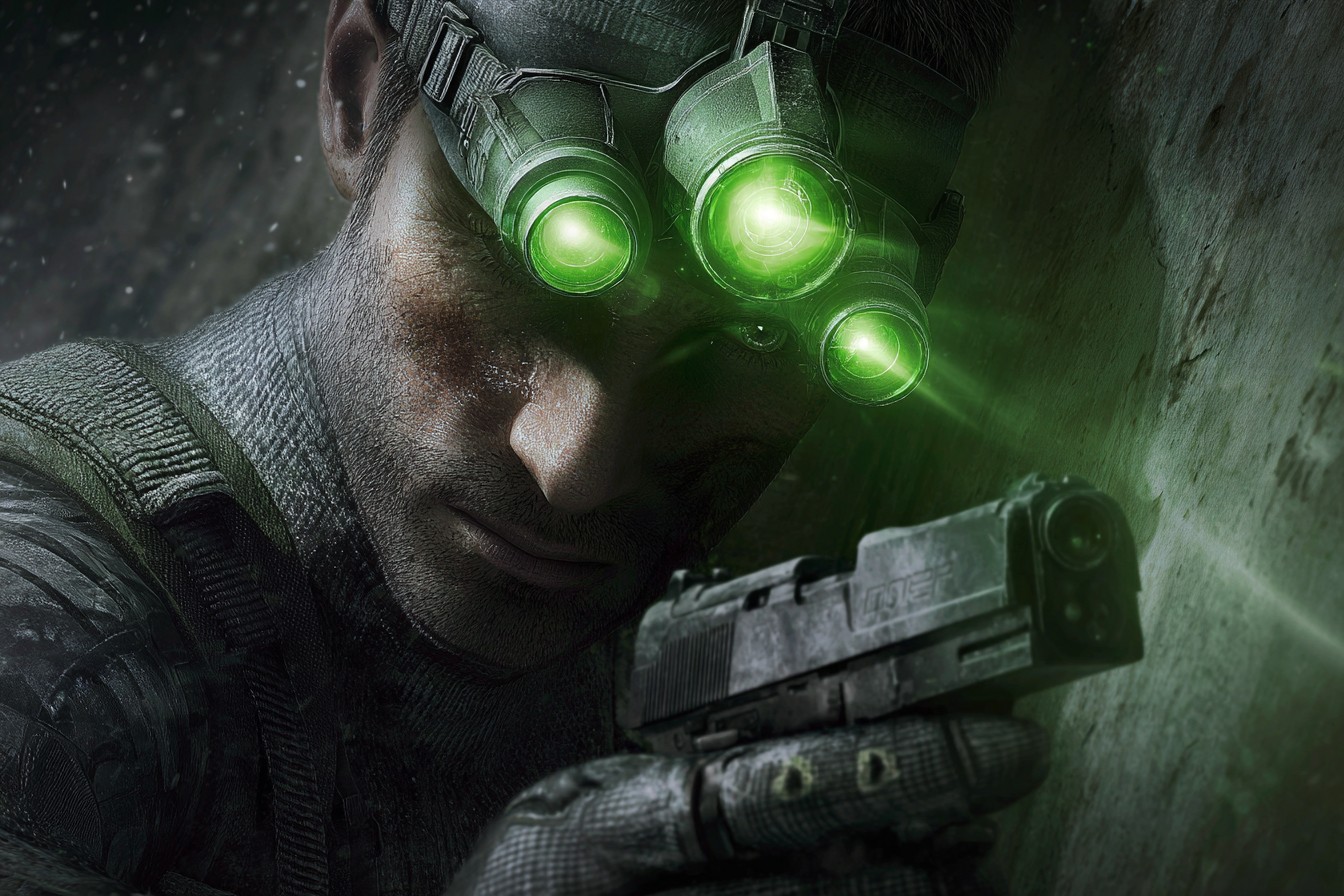
I’ve been gaming since the early 1980s, which means I’ve watched enough ambitious projects to recognize when a developer genuinely understands their vision. Splinter Cell is Ubisoft showing absolute mastery of third-person stealth design. This is a game where every system serves creating tense, careful, strategic gameplay. You’re Sam Fisher, a spy infiltrating enemy facilities using gadgets and stealth. The lighting system is fundamental – you can hide in shadows and visibility is realistic. You move slowly and deliberately. Rushing is failure. This is stealth game design where patience is genuinely rewarded and haste is genuinely punished.
What impresses me about Splinter Cell is the complete commitment to the stealth philosophy. The game doesn’t force you into combat situations where you can’t help but engage. It doesn’t punish you brutally for being discovered. It just respects that stealth is the optimal approach and designs every level toward supporting that approach. That design philosophy, executed with technical sophistication, creates something genuinely special.
What Splinter Cell Actually Does
You’re Sam Fisher, a spy for a government organization called Third Echelon. You’re infiltrating enemy facilities – factories, embassies, military bases. Your objective is typically to gather intelligence or eliminate specific targets. But how you accomplish that objective is largely up to you. You can avoid combat entirely if you’re careful. You can engage selectively if a specific approach demands it. The game respects your agency completely.
The lighting system is the crucial innovation. You can see how visible you are based on light levels. Hiding in shadows makes you effectively invisible. Standing under a light source makes you obvious. The game communicates this through visual feedback. Your character model shows visibility clearly. Enemy sightlines are visible or inferrable through their behavior. You’re constantly reading the environment and planning your movement based on that reading.
The gadgets serve specific purposes and aren’t just cosmetic options. Night vision lets you see in darkness. Thermal vision sees through walls and shows heat signatures. The lock pick lets you access doors and containers. The mine detector warns of traps. The sticky cam lets you scout ahead. Each gadget solves specific problems and opens specific approaches. Using them requires thinking about the environment and planning your approach.
The controls are responsive and intuitive. Movement is slow enough that you can be precise. Aiming is snappy when you need it. The third-person perspective lets you see cover and light sources clearly. The camera is carefully positioned to give you the information you need without feeling intrusive.
Why Third-Person Stealth Hadn’t Worked Before
Before Splinter Cell, stealth games existed but third-person stealth was awkward. The camera positioning made it hard to see what was ahead. Movement controls felt imprecise. You’d lose sight of enemies. The perspective didn’t support the careful observation stealth demands. Splinter Cell solved these problems through careful technical execution.
The camera positioning is deliberate. It sits over Sam’s shoulder in a way that shows the environment ahead while keeping Sam visible. You can see light sources and shadows. You can judge distances clearly. You can see where guards are looking. All of this information is communicated visually without breaking immersion or making the game feel like a puzzle where you have omniscient knowledge.
The difficulty scales beautifully. Easy mode is forgiving – guards are less alert, sight ranges are shorter, you get more leeway. Normal mode is appropriately challenging – guards are attentive, stealth is rewarded but mistakes are punishable. Hard and higher difficulties demand mastery. Every difficulty level feels like the intended experience rather than just damage adjustments.
The Technical Achievement
The graphics are good for 2002. Sam’s character model is detailed. The environments are detailed enough to support stealth gameplay – light sources are clearly visible, shadows are rendered correctly, surfaces communicate their properties visually. The animation is smooth and communicates movement clearly. The art direction creates distinct visual identity for different locations.
The sound design is crucial to stealth gameplay. Your footsteps change based on surface – metal sounds different than carpet. Guards communicate through radio. Alarm systems have distinct sounds. The audio feedback communicates game state constantly. In a game where stealth is about avoiding detection, audio is part of the information system.
The AI is genuinely sophisticated for 2002. Guards have line-of-sight vision that’s realistic. They communicate with each other. They investigate disturbances. They escalate alert levels based on threat assessment. They don’t have omniscient knowledge – they react to what they see and hear. This creates dynamic situations where careful play is rewarded.
Does Splinter Cell Still Hold Up?
The graphics are dated. The character models are simple by modern standards. But the lighting remains important and the visual design communicates information clearly. The controls still feel responsive. The stealth gameplay still works. The difficulty is still fair. The AI still behaves intelligently.
The campaign is substantial – 12+ hours of engaging gameplay. Every level is tightly designed. The progression is clear. The difficulty escalates appropriately. Playing this now, you understand why people were so invested in this franchise.
The gadgets still serve clear purposes. The objectives are clear without being rigid. The optional objectives reward engagement without being required. The level design supports multiple approaches. The consequences of being discovered still feel meaningful.
Why This Game Mattered
Splinter Cell proved that third-person stealth could work on console. It proved that stealth could be a core mechanic rather than an option. It proved that technical sophistication in camera work, AI, and level design could support stealth gameplay perfectly. Every stealth game since has learned from Splinter Cell’s design.
The franchise would define Xbox’s spy gaming identity. The series would sell millions of copies. It would establish Ubisoft as a serious player in stealth game design. And it started with understanding what stealth players wanted and delivering it technically excellently.
The Verdict
Splinter Cell is a stealth game that proves third-person and stealth aren’t mutually exclusive. The controls are responsive. The camera positioning is perfect. The lighting system is fundamental to gameplay. The AI is intelligent. The level design supports multiple approaches. The difficulty scales beautifully. The gadgets serve clear purposes. The progression is clear.
This is a game where every technical choice serves the goal of creating engaging stealth gameplay. The developers understood their constraints and designed around them brilliantly. Third-person stealth could have been an awkward compromise. Instead, Ubisoft created something genuinely excellent.
If you’ve never played Splinter Cell, play it and understand why stealth fans still consider it the gold standard. If you played it when it released, replay it and appreciate how well the technical fundamentals hold up. If you make stealth games, study Splinter Cell because it’s proof that technical sophistication in camera, AI, and level design creates genuinely engaging experiences.
Rating: 10/10 – The third-person stealth game that proved the genre could work on console
Return to our full Xbox rankings →