My mate Steve turned up at my fifteenth birthday party in ’96 with this knowing smirk and a Mega Drive cartridge hidden in his jacket pocket like he was smuggling state secrets. “Right, forget whatever else you’ve got planned,” he announced, which was exactly what you wanted to hear when you’d been politely enduring my mum’s friends asking about my GCSE choices for the past hour. Ultimate Mortal Kombat 3 wasn’t just another fighting game—it…

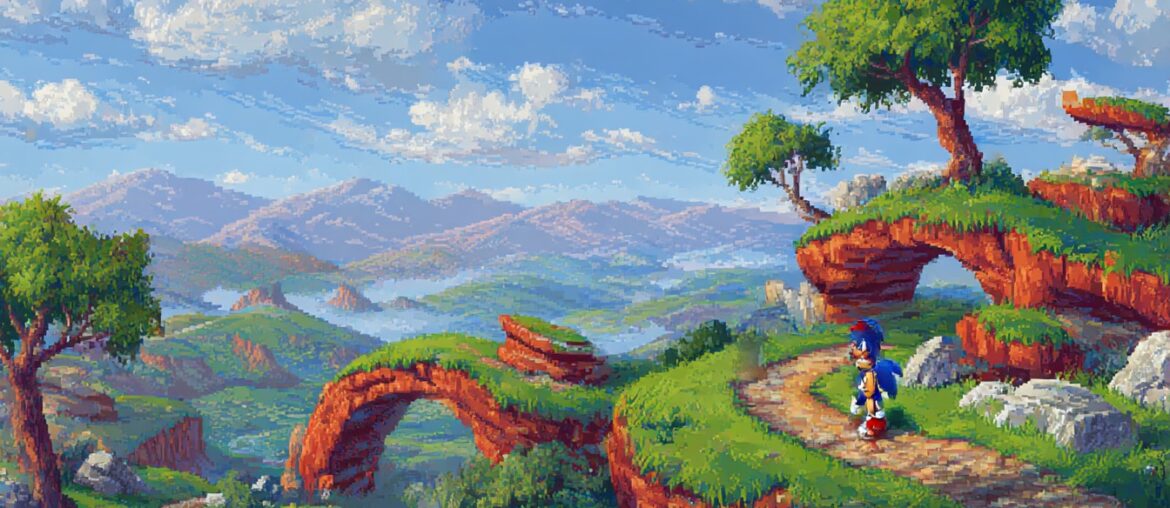
My buddy Mike texted me last week while he was cleaning out his garage – found his old Genesis collection in a milk crate behind some Christmas decorations. “Dude, what was that weird Sonic game where you looked down at him like you’re flying overhead?” Three seconds later I’m typing back “Sonic 3D Blast” because honestly, that game’s been living rent-free in my head ever since I set up proper Genesis emulation on my Steam…
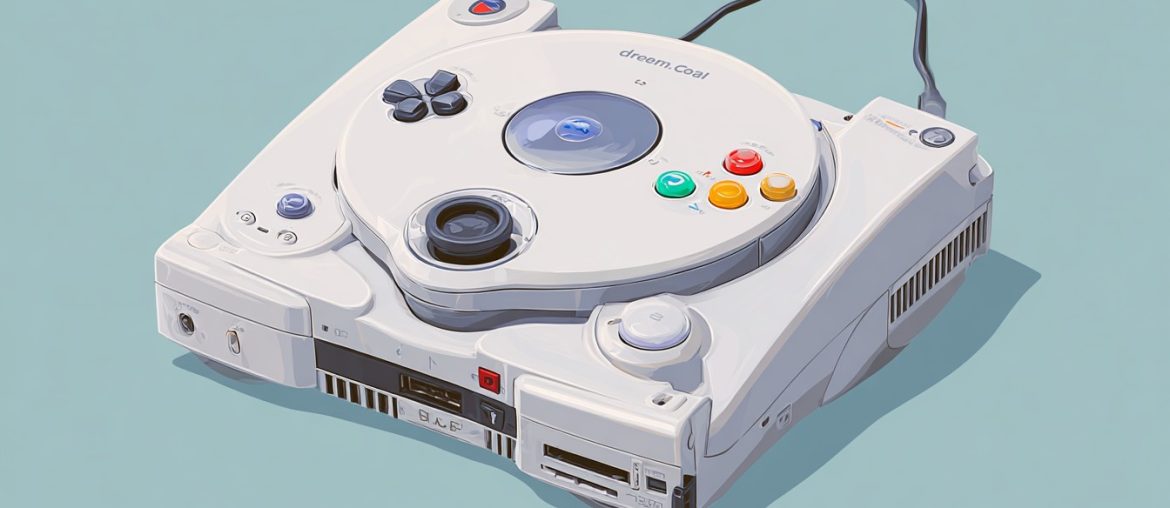
Here’s something I teach in my history classes – sometimes understanding why something failed teaches more than understanding why something succeeded. The Dreamcast’s failure is more instructive than its success because it proves that making excellent games isn’t enough to win console wars. Sega created a brilliant console, supported it with genuinely excellent software, built an online infrastructure years ahead of competitors, and still lost completely. Understanding why requires understanding that console dominance isn’t determined…
Last Saturday I was down in my game room doing that thing we all do – you know, pulling cartridges off the shelf pretending I’m organizing when really I’m just fondling plastic and having flashbacks. That’s when I grabbed my copy of Sonic 3D Blast, and man… even after all these years, that blue spine with the chunky yellow lettering still makes me stop and think. This game was so damn weird. Still is, honestly.…
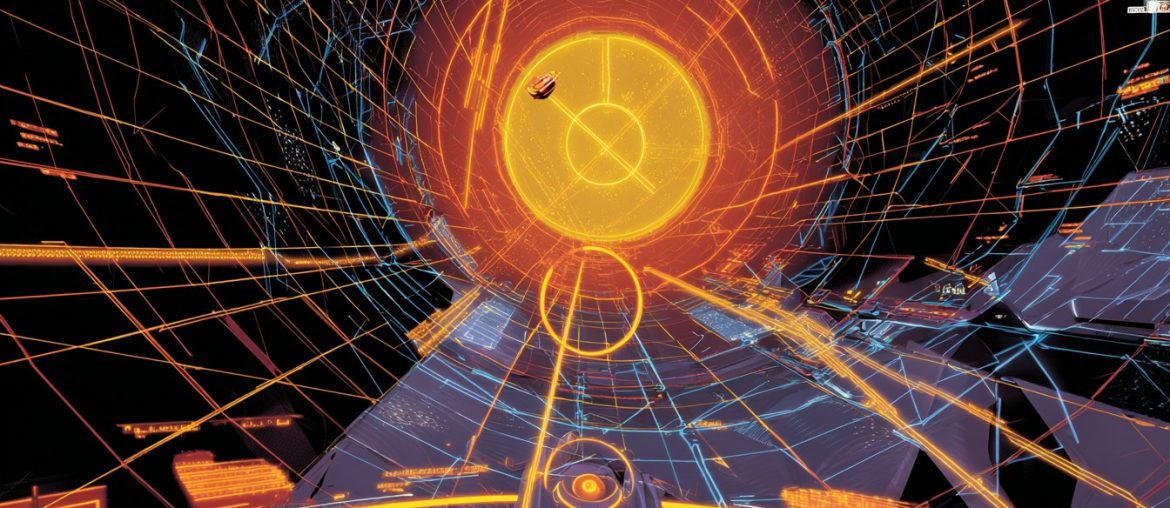
I spent fifteen years in IT management understanding that sometimes the best systems are the ones that embrace constraint rather than fighting it. Rez is a system that embraces its constraints – abstract visuals, minimal gameplay mechanics, heavy musical integration – and creates something that’s more engaging because of those constraints rather than despite them. Rez is a rail shooter in an abstract cyberspace environment. You’re flying through geometric shapes and fighting abstract enemies by…
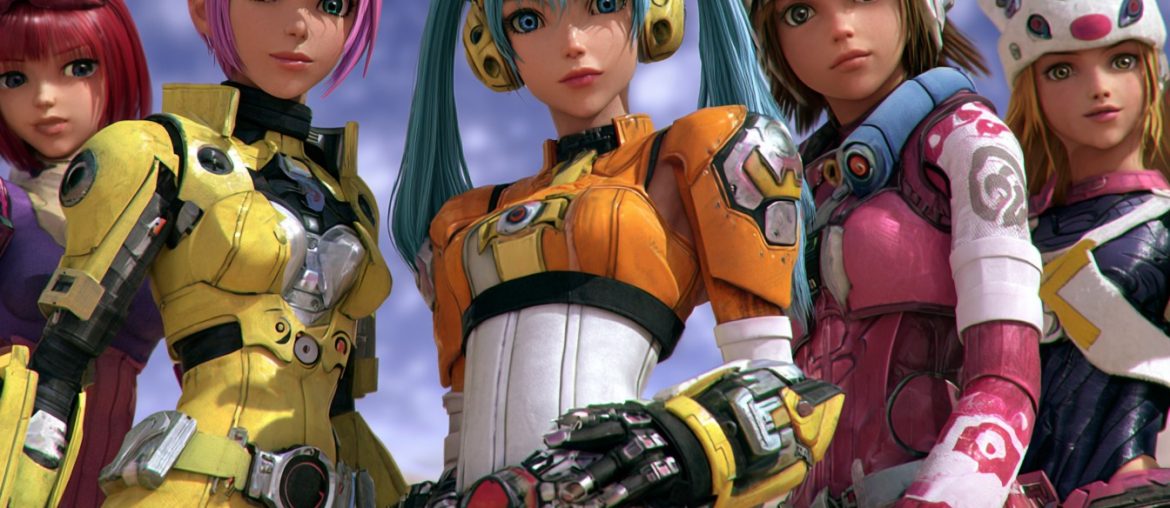
Phantasy Star Online is one of those games where the historical significance almost overshadows the actual gameplay experience. This is the game that proved online multiplayer could work on console hardware. Not online gaming in general – there had been network games before. But four players cooperatively playing an action RPG together in real-time on console? PSO proved that was possible and viable. From an accounting perspective, I appreciate systems that are elegant because they…
I’m not particularly interested in horror games – they’ve never been my thing. But I came to Resident Evil: Code Veronica completely fresh, expecting survival horror that was technically impressive but mechanically awkward. What I found was a genuinely well-designed game that proved survival horror could work on Dreamcast hardware just as well as PlayStation. Coming from construction, I understand something about how systems need to work within constraints. Code Veronica works within Dreamcast limitations…
I’ve watched enough ambitious projects fail to recognize when a developer is genuinely swinging for the fences. Sonic Adventure 2 is one of those swings. Sonic Team – the same people who made Sonic Adventure, which was decent but messy – looked at the response and said “okay, we’re going bigger, weirder, more ambitious.” The result is a game that’s flawed in very deliberate ways because it was trying something genuinely brave rather than playing…
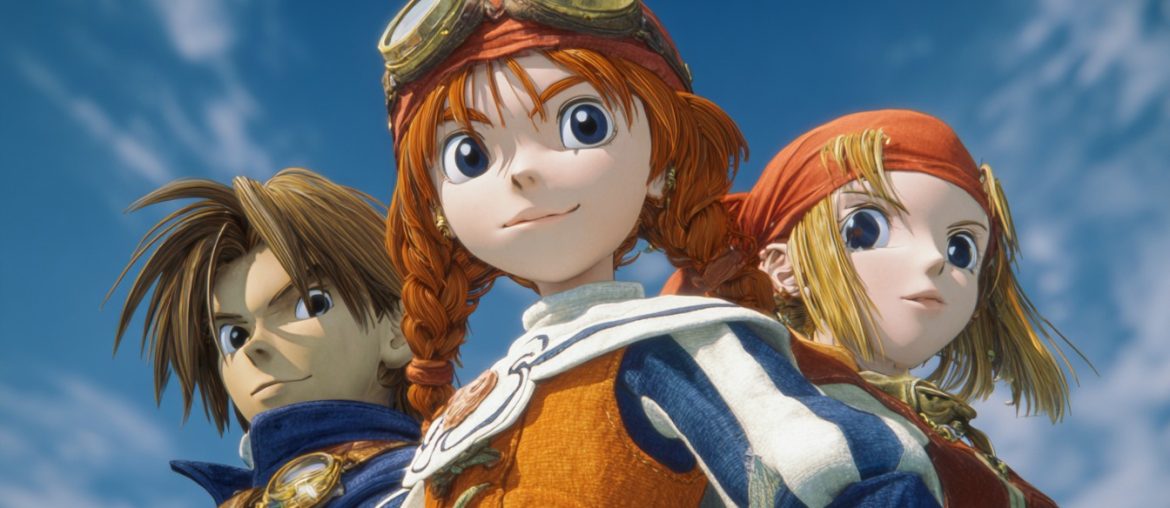
Skies of Arcadia is the game that made me realize something important about the console wars – success isn’t just about the best software. Sometimes the best software ships on the wrong hardware at the wrong time and nobody remembers it. PlayStation dominated the JRPG market because Final Fantasy VII and VIII and IX sold the console. But Sega released Skies of Arcadia on Dreamcast and proved they understood how to make JRPGs just as…
I’ve been analyzing fighting game balance since Street Fighter II in 1991, which means I understand when a fighting game is genuinely balanced versus when it just appears balanced. Soul Calibur on Dreamcast is legitimately balanced. Not “balanced for 1999,” not “balanced considering the hardware,” just genuinely balanced. Every character is viable. Every matchup is winnable. The frame data works. The physics work. Everything works. Coming from an accounting background, I appreciate systems that are…