Archive

December 2025

Browsing

I spent fifteen years in IT management learning to appreciate systems that are clever even when they seem impractical initially. Power Stone is that kind of fighting game – it looks like chaos, functions like brilliant design, and somehow manages to be both random and completely skill-based simultaneously. The fact that almost nobody remembers it proves something important about gaming – innovation doesn’t guarantee recognition, and underrated games often end up being more interesting than…
I came to Jet Grind Radio completely fresh – no nostalgia, no childhood memories, just a middle-aged construction foreman sitting down to a game about graffiti tagging in a colorful city. I expected charming but dated. What I got was a game that proved visual innovation could carry an entire experience if the artist understood what they were doing. Coming from construction, I understand something about design – the difference between solving a problem and…

Here’s something people forget about arcade-to-home conversions – they used to be terrible. You’d get watered-down versions with missing features, reduced enemy counts, simplified graphics. There was this assumption that home hardware couldn’t handle what arcades could do. Then Sega decided to prove everyone wrong by bringing Crazy Taxi to Dreamcast essentially perfectly. I spent enough time defending Sega’s arcade approach to understand something about their philosophy – the arcade cabinet wasn’t just a revenue…

I’ve been gaming since the early 1980s, which means I’ve watched enough ambitious projects fail to recognize when a developer is genuinely swinging for the fences. Shenmue is one of those swings. Yu Suzuki, one of gaming’s most visionary designers, got Sega to fund an open-world adventure game that by any rational business metric should never have existed. You’re investigating your father’s murder in a Japanese neighborhood. You talk to NPCs. You pick up clues.…

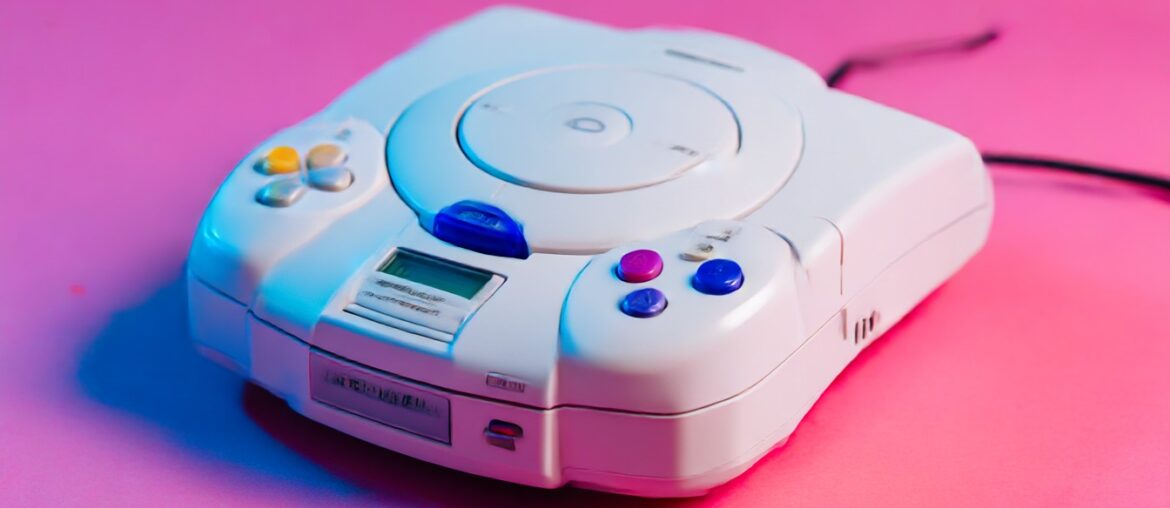
Look, we need to address something immediately – the Dreamcast failed. Commercially, spectacularly, catastrophically failed. Sega released a brilliant console with incredible games at exactly the wrong moment in history. The PlayStation was already entrenched. The PS2 was coming with DVD capability that the Dreamcast didn’t have. The industry had already decided Dreamcast wouldn’t survive, and they were right. By March 2001, Sega had stopped making consoles entirely. But here’s the thing that makes the…

Back in ’94, I was still primarily an Amiga lad, but I’d managed to convince my parents to get me a Mega Drive the year before – had to have Streets of Rage 2, didn’t I? Most of my mates were still on their Spectrums or C64s, but a few had made the jump to Sega’s 16-bit machine. The thing about console gaming in the UK then was that we were always a bit behind…

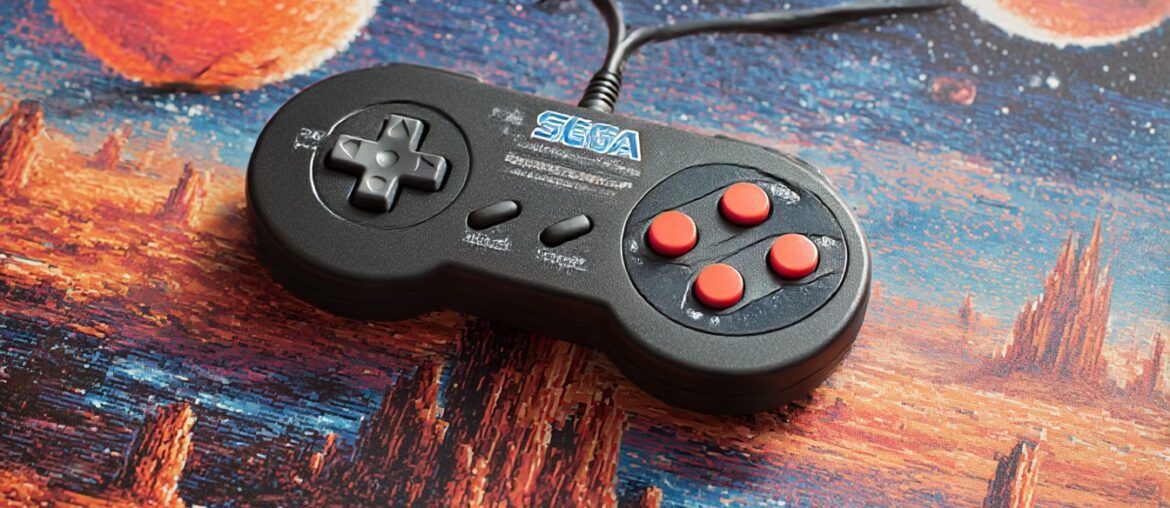
I’ve got this muscle memory thing that happens every time I pick up a Sega six-button controller. My thumb just automatically finds those three top buttons—X, Y, Z—without me even thinking about it. It’s been like thirty years since I first held one of these things, and my hands still remember exactly where everything goes. That’s not nostalgia talking, that’s just good design burned into my nervous system. Back in ’93, I was fifteen and…

I came to retro game collecting without nostalgia or childhood attachment, which means I approach it practically. Coming from construction, I understand something about how markets work and how value is created. The retro game market is fascinating because it’s driven by nostalgia, scarcity, and perception in ways that don’t apply to other markets. Understanding what retro games actually cost right now requires understanding what creates value in the retro market and why prices vary…

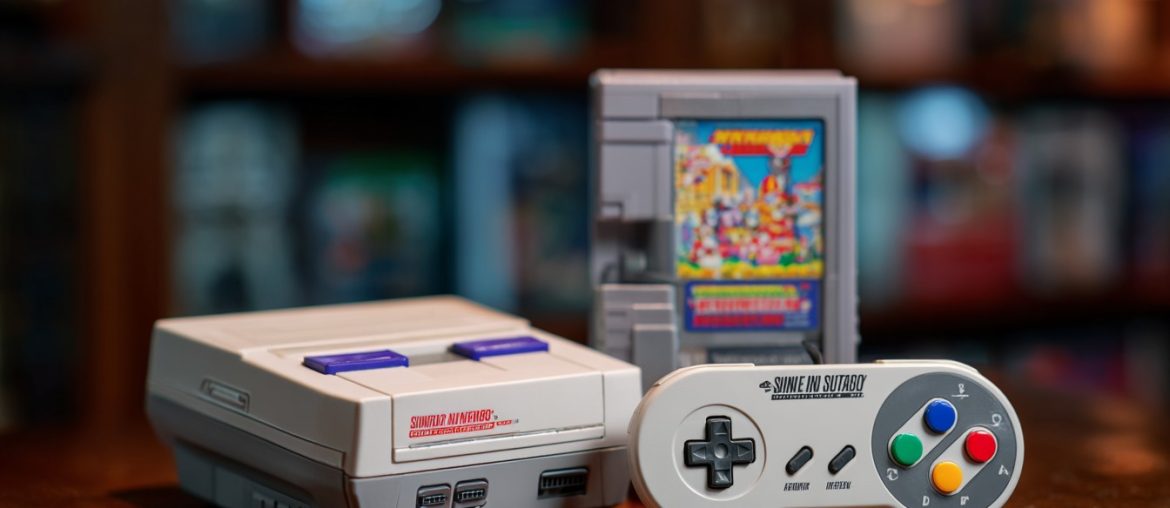
Man, sometimes I lie awake at night thinking about all the gaming rumors that consumed my teenage brain in the late 90s. You know the ones I’m talking about – those whispered legends about secret Nintendo projects that some kid’s uncle who “totally worked at Nintendo” had definitely seen behind closed doors at E3. The Nintendo DS 64 was probably the biggest one that got me, this mythical dual-screen N64 handheld that felt so real…

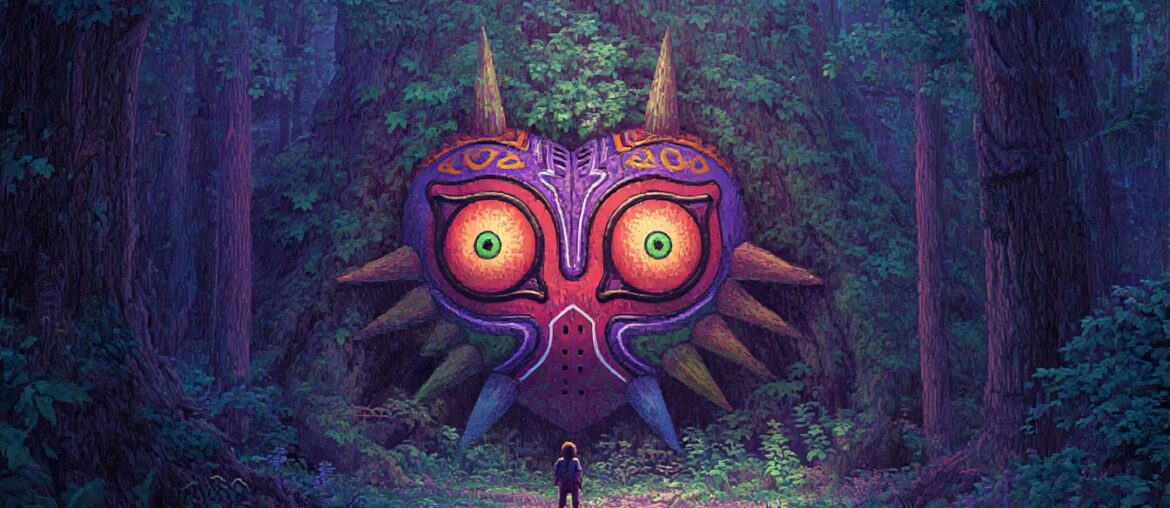
I’m forty-seven years old and I still can’t get that damn Song of Healing out of my head. Four simple notes that somehow managed to burrow into my brain back in 2000 and set up permanent residence. My wife caught me humming it while balancing our checkbook last week – she just shook her head and muttered something about “that weird Zelda game” under her breath. Twenty-four years later and Majora’s Mask is still messing…