I came to retro game collecting without nostalgia or childhood attachment, which means I approach it practically. Coming from construction, I understand something about how markets work and how value is created. The retro game market is fascinating because it’s driven by nostalgia, scarcity, and perception in ways that don’t apply to other markets. Understanding what retro games actually cost right now requires understanding what creates value in the retro market and why prices vary so wildly for seemingly similar products.
The short answer is that retro game prices have increased dramatically over the last decade. A game that cost $30 in 1995 might cost $200 today. But that’s the average – some games cost more, some cost less. A complete SNES game with original box and manual can cost hundreds. A loose cartridge of the same game costs a fraction of that. The same game on one platform costs significantly more than the same game on another platform. Understanding these price variations requires understanding what actually matters in the retro collecting community.
What Determines Retro Game Prices
Condition is the primary price driver. A game in mint condition with original box, manual, and all inserts costs exponentially more than the same game as a loose cartridge. A complete N64 game in good condition might cost $60. The same game loose might cost $15. The condition difference is the entire price difference. Collectors pay premium prices for preservation. If you’re not a collector concerned with preservation, you can get the same game experience for a fraction of the price.
Rarity determines baseline value. Common games from popular systems cost less than rare games. Super Mario Bros. on NES is common – loose cartridges cost $10-15. Earthbound on SNES is rare – loose cartridges cost $200+. The game itself might be equally good but the scarcity creates price difference. Rarity is partially artificial – Nintendo produced vastly more Mario games than Earthbound. That production difference creates genuine scarcity.
Platform affects pricing significantly. The same game on different platforms costs different amounts. A game released on both SNES and Genesis might cost $100 complete on SNES and $30 complete on Genesis if the Genesis version is more common. Collectors often prefer certain platforms over others, which creates demand difference that drives pricing.
Series value matters. Games from valuable franchises cost more than single releases. A random RPG costs less than an RPG in the Final Fantasy series. Dragon Quest games cost more than obscure RPGs with similar quality because the franchise has collector demand. This is irrational from a pure value perspective – the game’s quality doesn’t change based on franchise – but it’s how collector markets work.
Black label versus greatest hits versions affects pricing. Games released as budget releases (greatest hits on PlayStation, Player’s Choice on GameCube) cost less than original black label releases. The actual game is identical but collectors prefer original releases. Original releases command premium pricing. This is entirely about perception – the game plays the same regardless – but it drives real price differences.
Current Pricing For Major Consoles
NES games range from $5 for loose common games to $500+ for rare complete games. Super Mario Bros. loose costs $10-20. Super Mario Bros. complete might cost $150-300 depending on condition. Rare games like Stadium Events loose cost $1000+. Baseball might cost $50 loose. The range reflects massive variance in scarcity and demand.
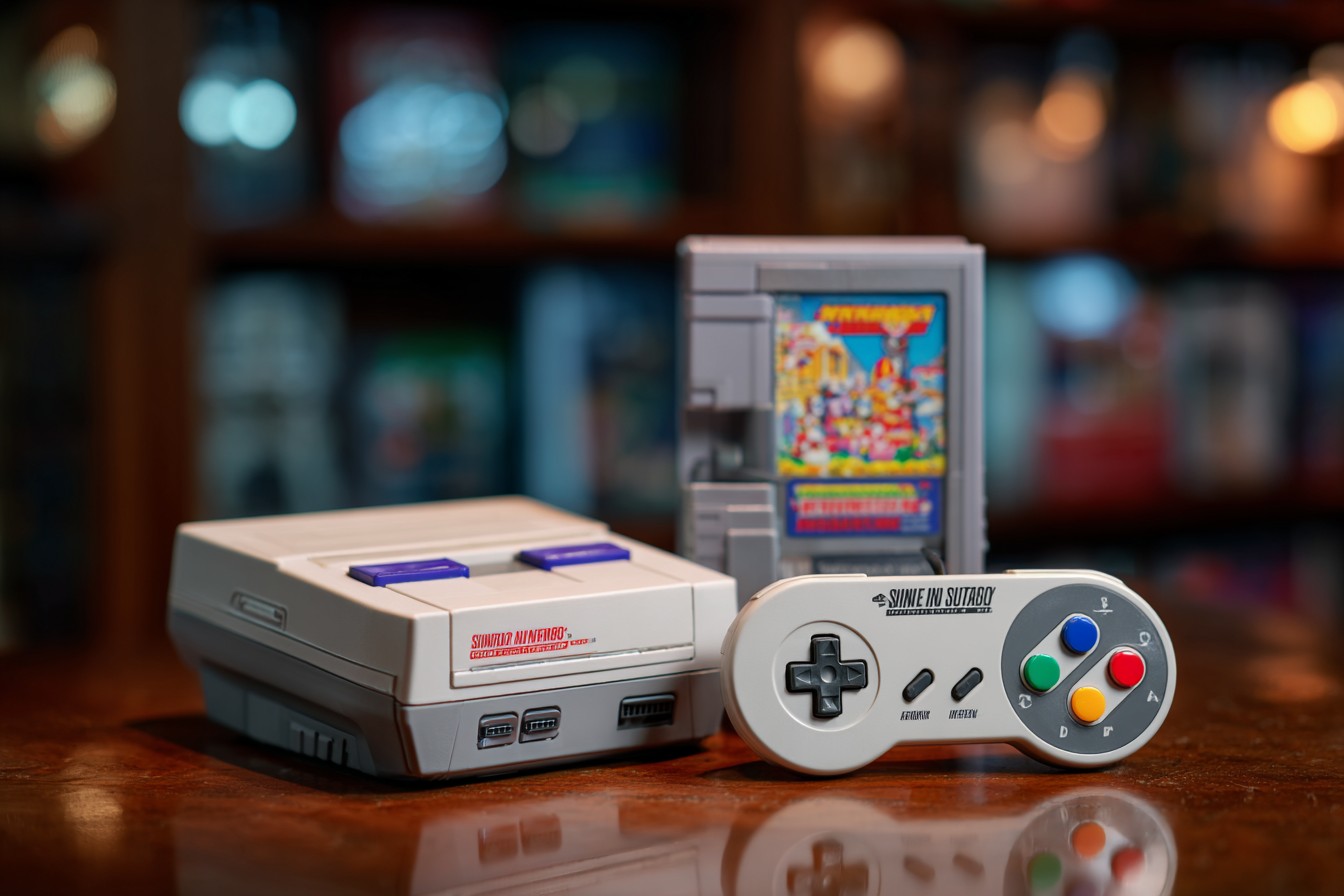
SNES games range similarly. Common games like Super Mario World loose cost $20-40. Super Mario World complete costs $100-200. Rare games like Earthbound loose cost $150-300. Earthbound complete costs $500+. The premium for rare SNES games reflects collector demand and limited production runs.
N64 games are more expensive overall because cartridges are perceived as premium. Common games like Super Mario 64 loose cost $40-60. Super Mario 64 complete costs $150+. Rare games like Paper Mario loose cost $60-100. Paper Mario complete costs $200+. The N64 market has inflated significantly because cartridges are durable and collectors like them.
PlayStation games are cheaper overall because they were produced in massive quantities and degradation isn’t an issue with discs. Common games loose cost $5-20. Complete games cost $20-50. Even rare games rarely exceed $100 complete unless they’re exceptionally scarce. The sheer production numbers keep PlayStation prices lower.
GameCube games vary widely. Common games cost $20-50 complete. Rare games cost $100+. The market is smaller than SNES/N64 because the system is less retro but more recent than classic systems. Collector demand is growing as GameCube ages.
Price Trends And Market Dynamics
Retro game prices have increased dramatically in the last ten years. This is partly genuine scarcity – original cartridges age and fail. People open sealed games for content. Collectors store games carefully but many end up in landfills or attics. Real scarcity drives prices up. But it’s also partly speculation. People buy retro games as investments expecting prices to rise. This artificial demand inflates prices beyond what scarcity alone would justify.
Online marketplaces like eBay and Facebook Marketplace have made pricing more transparent. Historically, retro game prices varied wildly by location and seller. Now prices are standardized because information is available. This transparency has inflated prices because people see what things sell for and price accordingly. Underpricing became visible and got corrected. The standardization benefited sellers.
Grading services have affected the market. Games can be professionally graded and encased in protective cases. This provides verification of condition and creates collectible versions that command premium pricing. A graded game might cost 2-3x more than an ungraded game in similar condition. The grading adds perceived value through verification.
Celebrity influence affects specific games. When popular streamers or YouTubers talk about specific games, prices often rise. When movies or shows reference classic games, collector interest increases. Gaming culture’s increased mainstream acceptance has brought new collectors into the market. That new demand drives prices up for desirable games.
What You Should Actually Expect To Pay
If you’re buying loose cartridges to play, expect to pay $10-100 per game depending on how old the system is and how common the game is. You can find deals on games if you’re patient. Facebook Marketplace and local selling often has better prices than eBay because sellers aren’t aiming for collector premium pricing.
If you’re buying complete games as a collector, expect to pay $50-300+ per game depending on system and scarcity. Rare games can exceed $500. You’re paying for preservation and completeness. Whether that’s worth it depends on whether you collect or play. Collectors pay for condition. Players buy loose cartridges.
If you want to play retro games cheaply, emulation or official digital releases through Nintendo Switch Online are significantly cheaper than buying original hardware. You get the same game experience for a fraction of the price. Physical collecting is expensive. Playing is cheap.
The market has stratified into collector market and player market. Collectors pay premium prices for perfect condition complete games. Players buy loose cartridges cheap or use emulation. The two markets have diverged so much that comparing prices is pointless without specifying which market you’re in.
Market Predictions Going Forward
Prices for systems that are actively increasing in collector interest will probably keep rising. Nintendo systems command collector premium. Prices will likely continue increasing as systems become more retro and scarcity increases.
Systems that peaked and are declining in interest might see price decreases. PlayStation, Dreamcast, and N64 all had periods of rapid price increase that seem to be stabilizing. Speculative bubbles eventually pop. Games that were overpriced as investments might see correction.
Newer systems becoming retro will shift demand. GameCube and original Xbox games are becoming more collectible as they age. Wii games might follow as collectors realize they’re rare. Systems that weren’t heavily collected during their active lifecycle might see price increases as availability decreases.
Original hardware failure will affect prices. NES, SNES, and Genesis systems are aging and failing. Functioning hardware becomes more scarce. This drives up console prices and indirectly affects game prices because complete system collecting becomes more expensive.
The Practical Reality
Retro game prices are high because of collector demand and genuine scarcity. If you want to play retro games affordably, buy loose cartridges on Facebook Marketplace or use emulation. If you collect retro games, expect to pay premium prices. Neither is wrong – they’re different approaches serving different interests.
The market is efficient at matching willing buyers with sellers. If something is overpriced, it doesn’t sell. If something is underpriced, it sells immediately. The prices you see reflect actual market value – they might seem high to outsiders but they’re what collectors are willing to pay.
Retro gaming is expensive as a collecting hobby but cheap as a playing hobby. Understand which you’re doing and price expectations follow.

Timothy discovered retro gaming at forty and never looked back. A construction foreman by day and collector by night, he writes from a fresh, nostalgia-free angle—exploring classic games with adult curiosity, honest takes, and zero childhood bias.