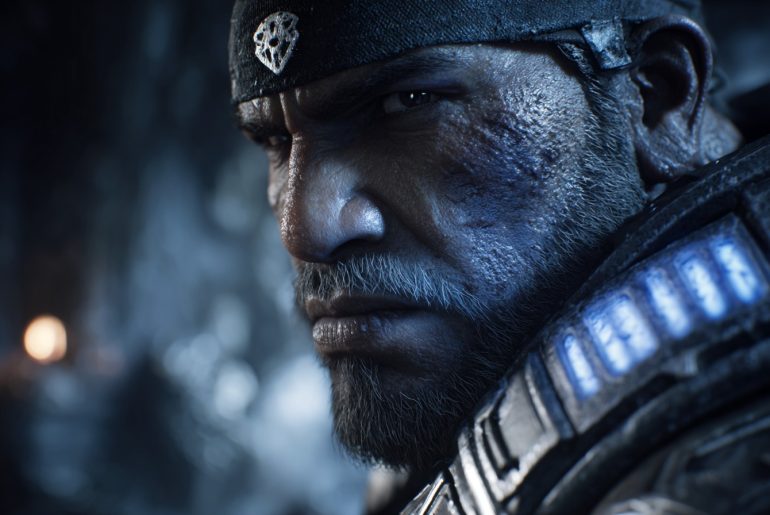
Here’s something I teach in my history classes – sometimes a single product can pivot an entire industry. Halo: Combat Evolved is that product. Microsoft entered console gaming in 2001 with aggressive marketing and significant third-party support, but they needed a system-seller. Something that would make people buy Xbox instead of PlayStation 2. Bungie delivered exactly that with Halo, and in doing so, proved that first-person shooters didn’t belong exclusively to PC gaming.
Before Halo, console FPS games existed. GoldenEye and Perfect Dark on N64 proved it was possible. But there was an assumption in the industry – the “real” FPS experience happened on PC. Keyboards and mice. Frame rates that consoles couldn’t match. Communities that had been gaming on PCs for years. Console FPS was competent but fundamentally different, like watching a cover band instead of the original. Halo didn’t just prove consoles could do FPS. It proved they could do it better than PCs for certain kinds of players.
What Halo: Combat Evolved Actually Does
You’re Master Chief, a supersoldier in powered armor, fighting an alien alliance called the Covenant on a massive ring-world called Halo. The campaign is substantial – 10+ hours of engaging gameplay. You’re not just fighting through linear corridors. The level design is simultaneously directed and open-ended. You can approach most situations multiple ways. Stealth, frontal assault, vehicle sections, puzzle-solving – the game constantly shifts what it’s asking of you.
The controls are the crucial innovation. Aiming on a controller had been a problem solved partially by GoldenEye’s lock-on system and Perfect Dark’s targeting reticule. Halo said “what if we just made the controller’s analog stick aiming feel natural?” They did this through smart reticule placement, reasonable aim-assist that helps without feeling like cheating, and level design that gives you space to maneuver. The result is controls that feel responsive and satisfying in a way that console FPS hadn’t achieved before.
The difficulty scaling is excellent. Easy mode is genuinely accessible – you’re learning mechanics without constant punishment. Normal mode is appropriately challenging. Heroic demands skill and attention. Legendary is brutally difficult. The game teaches you what to expect from each difficulty level and delivers exactly that.
The AI is genuinely intelligent. The Covenant don’t just run at you stupidly. They flank. They coordinate. They use cover. They communicate with each other. Elite warriors are genuinely threatening. Grunts are weaker but still dangerous in groups. The variety keeps combat engaging because different enemy types require different approaches.
Why Console FPS Changed With Halo
Before Halo, the conventional wisdom was that console players wanted different experiences than PC players. Simpler games, less depth, more accessibility. Halo proved that console players wanted depth and challenge – they just wanted it designed for controllers rather than keyboards. That’s a crucial distinction that most industry people had missed.
The multiplayer proved that console players wanted competitive FPS action. Splitscreen multiplayer was built-in at launch, which meant friends could gather and play together immediately. The maps were balanced. The weapons were distinct and balanced. The gameplay loop of respawning and improving was immediately engaging. This wasn’t a tacked-on afterthought – this was multiplayer designed with intention.
The online infrastructure that launched with Xbox Live in 2002 proved that console players embraced online play. For years, PC gaming had assumed online multiplayer was their exclusive domain. Halo players proved that console gamers wanted that experience too, and they wanted it integrated into their console ecosystem.
The Technical Achievement
The graphics were cutting-edge for 2001. The character models are detailed. The environments are varied and explorable. The weapon effects are satisfying. The animation is smooth. The art direction is strong – the design language is cohesive and distinctive. Master Chief’s armor design became iconic immediately.
The soundtrack by Martin O’Donnell is phenomenal. The main theme is instantly recognizable. The combat music escalates tension appropriately. The ambient music in quieter moments creates atmosphere. This is game music that serves the experience while being genuinely memorable.
The sound design is excellent. Weapon sounds are distinct. Enemy sounds communicate threat and type. The audio feedback is immediate and communicates game state clearly. In a game where response time matters, audio is part of the communication system.
Does Halo Still Hold Up?
The graphics are obviously dated. The character models are simple by modern standards. The environments are less detailed than modern games. But the art direction carries the experience. The visual design communicates information clearly. Nothing looks broken or cheap – it looks like a product from 2001 designed with intention.
The controls still feel responsive. The aiming still works. The difficulty is still fair. The AI still behaves intelligently. The level design is still engaging. The pacing is still good. Playing Halo now, you understand why people were so invested in this franchise.
The campaign is still engaging. The story is straightforward but told well. The character development is minimal but effective – Master Chief is presented as competent and professional. Cortana, your AI companion, provides personality and character interaction. The Covenant feel like a genuine threat.
The multiplayer holds up reasonably well. The maps are still well-designed. The weapon balance is still sound. The gameplay loop is still satisfying. Modern shooters have more polish and more content, but the fundamentals are still solid.
Why This Game Mattered Historically
Halo proved something crucial – Microsoft could compete in the gaming industry against Sony and Nintendo by understanding what players wanted. The marketing was aggressive but the product backed up the hype. This wasn’t vaporware or launch-window rushed nonsense. This was a genuinely excellent game that deserved the attention.
Halo established a franchise that would define Xbox for decades. The series would sell tens of millions of copies. It would drive hardware sales. It would establish Microsoft as a serious player in gaming. And it started with Bungie understanding what FPS players wanted on console and delivering it perfectly.
The game influenced every FPS that came after. The control scheme became industry standard. The difficulty scaling influenced level design philosophy. The multiplayer design influenced how competitive FPS worked on console. The franchise influenced how studios approached long-term planning and sequels.
The Verdict
Halo: Combat Evolved is a first-person shooter that proved console FPS could be equally valid to PC FPS, just designed differently. The controls are responsive and intuitive. The level design is simultaneously open-ended and directed. The difficulty scales appropriately. The AI is genuinely intelligent. The campaign is engaging. The multiplayer is competitive and balanced. The soundtrack is iconic. The art direction is distinctive.
This is a game where every design choice serves the goal of creating engaging FPS gameplay on console hardware. The developers understood their constraints and designed around them brilliantly rather than trying to replicate PC experiences.
If you’ve never played Halo, play it and understand why it mattered. If you played it when it released, replay it and appreciate how well the fundamentals hold up. If you make FPS games, study Halo because it’s proof that understanding your platform and designing for it specifically creates better results than trying to port PC experiences to console.
Rating: 10/10 – The game that proved console FPS could be equally legitimate to PC FPS
Return to our full Xbox rankings →

Joe’s a history teacher who treats the console wars like actual history. A lifelong Sega devotee from Phoenix, he writes with passion, humor, and lingering heartbreak over the Dreamcast. Expect strong opinions, bad puns, and plenty of “blast processing.”