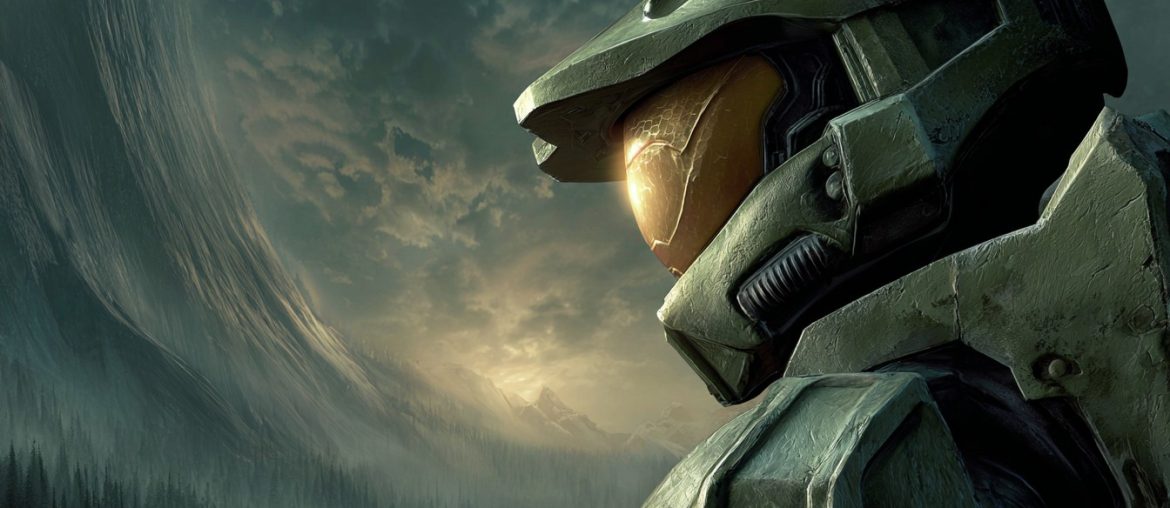
Here’s something I teach in my history classes – sometimes a single product creates the conditions for an entire industry shift. Halo 2 is that product for console gaming. It proved that consoles could have robust online infrastructure. It proved that competitive multiplayer could drive hardware sales. It proved that sequels could expand on foundations without losing what made originals special. Halo 2 didn’t just define Xbox Live – it defined what console gaming would…
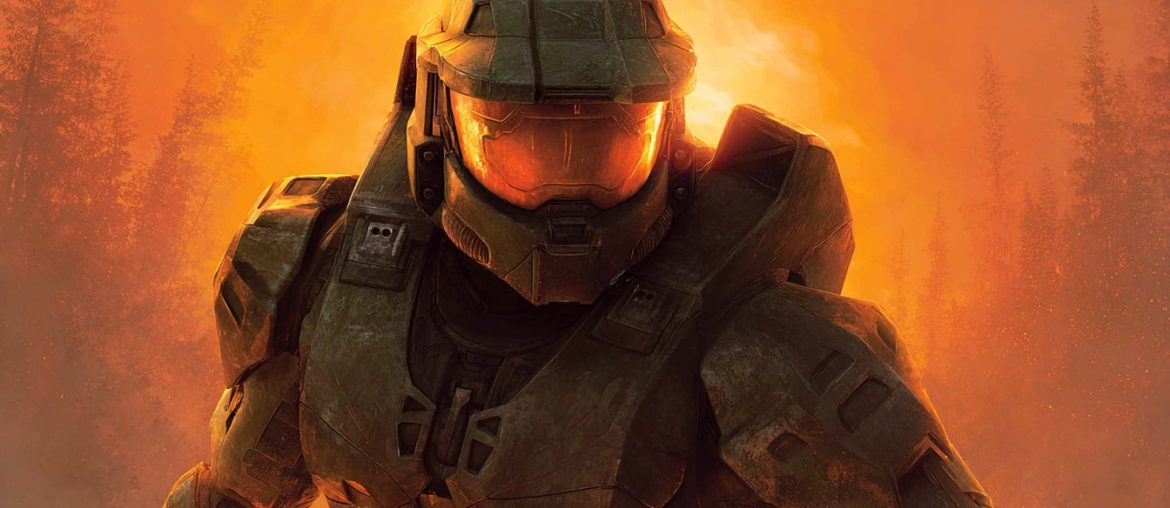
Here’s something I teach in my history classes – sometimes a single product can pivot an entire industry. Halo: Combat Evolved is that product. Microsoft entered console gaming in 2001 with aggressive marketing and significant third-party support, but they needed a system-seller. Something that would make people buy Xbox instead of PlayStation 2. Bungie delivered exactly that with Halo, and in doing so, proved that first-person shooters didn’t belong exclusively to PC gaming. Before Halo,…
Back in 1991, I was twelve years old and completely convinced that my Genesis was about to change the world. I’d been defending Sega since getting my Master System three years earlier – you know how it is when you’re the weird kid with the “wrong” console – but Sonic felt different. This wasn’t just another exclusive game to add to my arsenal of playground arguments. This was ammunition. I still remember unwrapping that first…
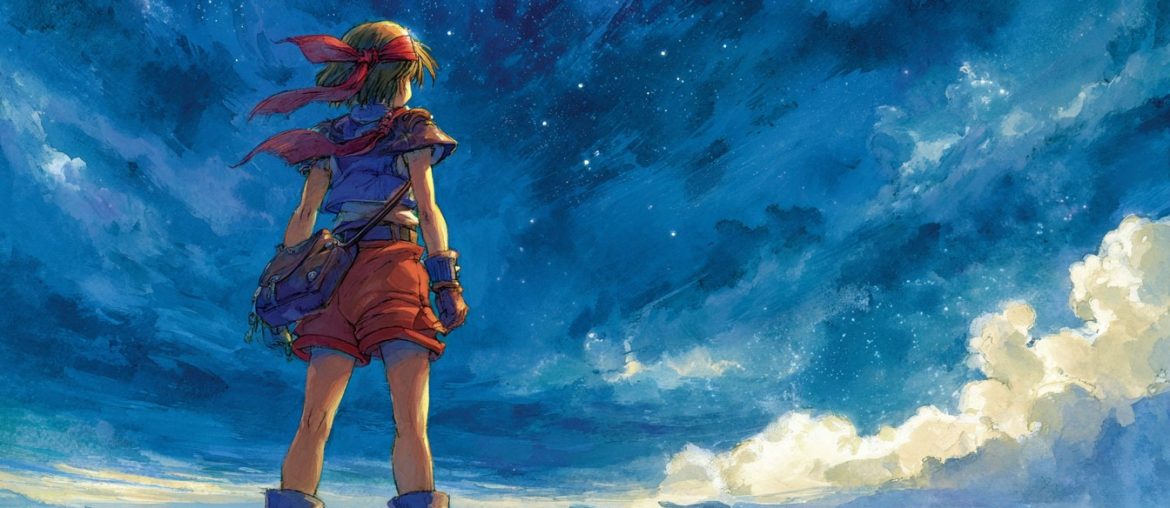
Here’s something I teach in my history classes – innovation requires risk-taking, and risk-taking produces both failures and masterpieces. Chrono Cross is a masterpiece produced through genuine risk-taking. It’s the sequel to Chrono Trigger, one of the most beloved JRPGs ever made. So what does Square do? They make a completely different game that dares to not be Chrono Trigger Part 2. Instead of one protagonist, you have 45 recruitable party members. Instead of saving…
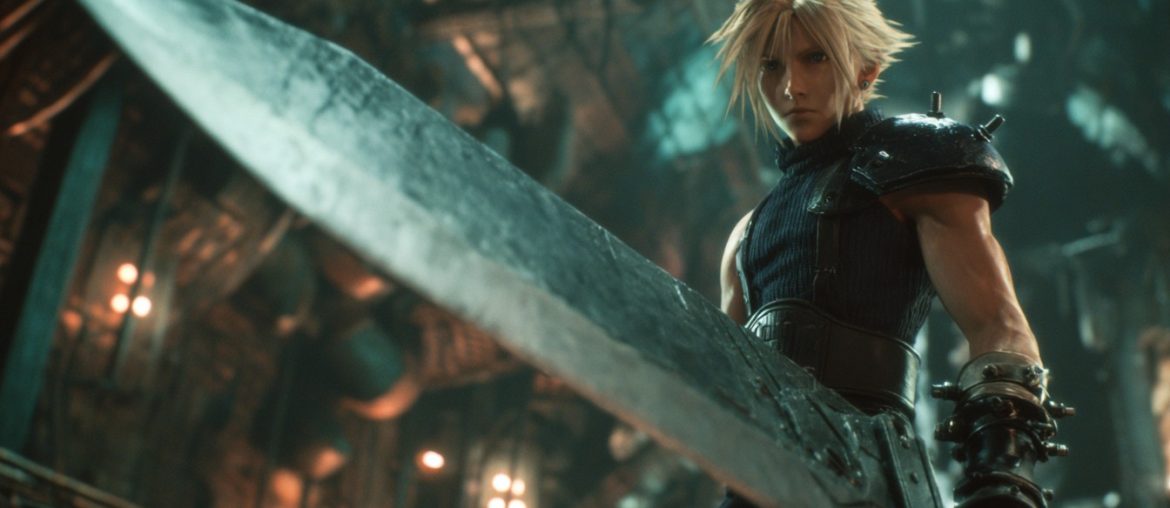
Here’s the thing about Final Fantasy VII that people who didn’t live through 1997 don’t understand – this game was a cultural moment. Not just in gaming. In mainstream culture. People who’d never played a video game heard about FFVII. Cloud became iconic. Aerith’s death scene had people genuinely devastated. The marketing was everywhere. This wasn’t just a game – it was a phenomenon that proved gaming was ready for mainstream acceptance. I teach history,…
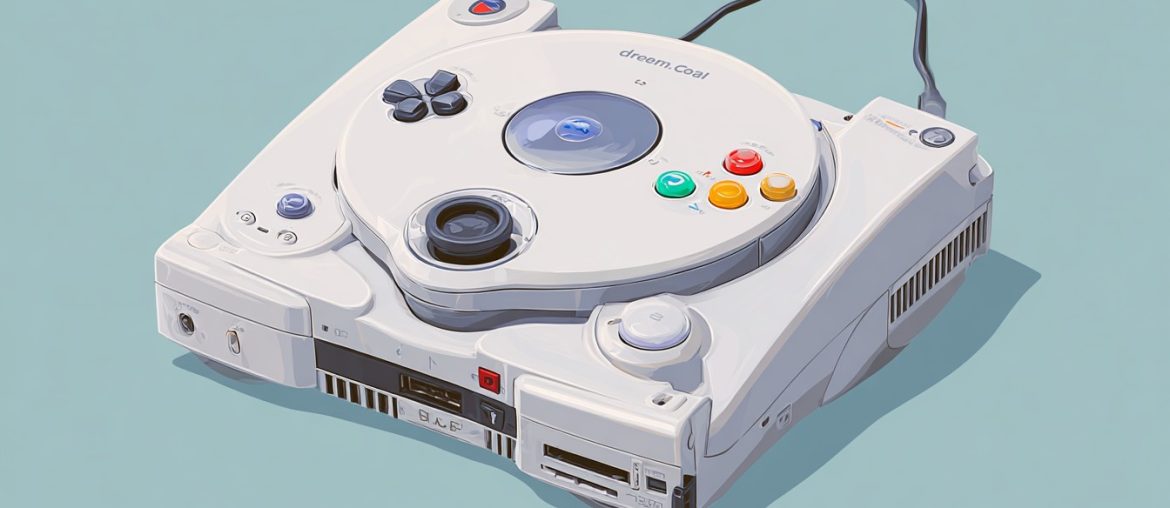
Here’s something I teach in my history classes – sometimes understanding why something failed teaches more than understanding why something succeeded. The Dreamcast’s failure is more instructive than its success because it proves that making excellent games isn’t enough to win console wars. Sega created a brilliant console, supported it with genuinely excellent software, built an online infrastructure years ahead of competitors, and still lost completely. Understanding why requires understanding that console dominance isn’t determined…
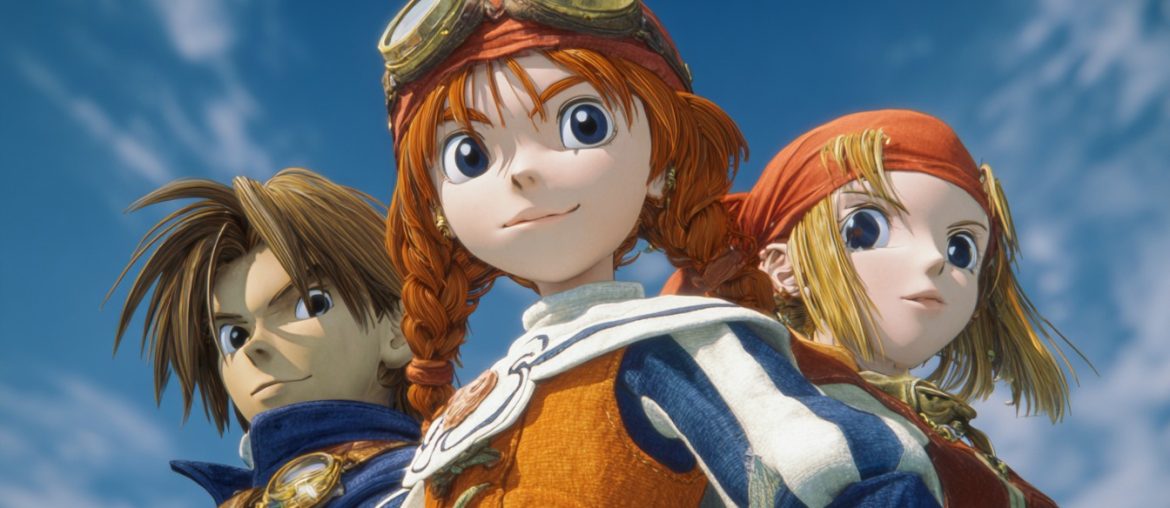
Skies of Arcadia is the game that made me realize something important about the console wars – success isn’t just about the best software. Sometimes the best software ships on the wrong hardware at the wrong time and nobody remembers it. PlayStation dominated the JRPG market because Final Fantasy VII and VIII and IX sold the console. But Sega released Skies of Arcadia on Dreamcast and proved they understood how to make JRPGs just as…
Here’s something people forget about arcade-to-home conversions – they used to be terrible. You’d get watered-down versions with missing features, reduced enemy counts, simplified graphics. There was this assumption that home hardware couldn’t handle what arcades could do. Then Sega decided to prove everyone wrong by bringing Crazy Taxi to Dreamcast essentially perfectly. I spent enough time defending Sega’s arcade approach to understand something about their philosophy – the arcade cabinet wasn’t just a revenue…
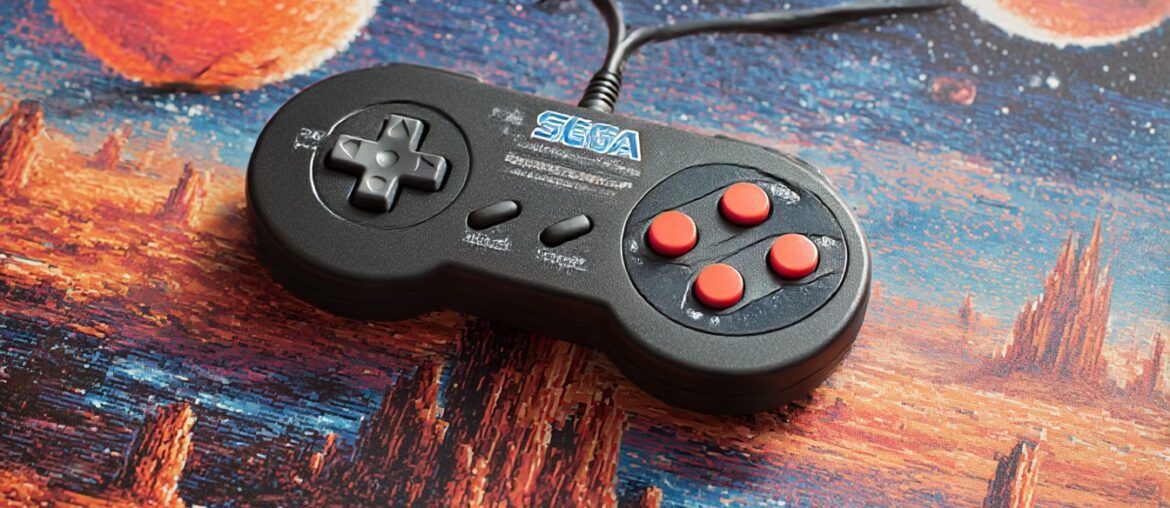
I’ve got this muscle memory thing that happens every time I pick up a Sega six-button controller. My thumb just automatically finds those three top buttons—X, Y, Z—without me even thinking about it. It’s been like thirty years since I first held one of these things, and my hands still remember exactly where everything goes. That’s not nostalgia talking, that’s just good design burned into my nervous system. Back in ’93, I was fifteen and…
Here’s a historical fact that people forget – on-rails shooters were basically dead by 1997. The arcade versions had been popular, sure, but home gaming had moved on to free-roaming games where you controlled every aspect of movement. The idea that you could release a game where your path is predetermined, where your only real agency is aiming and shooting, and that game would be brilliant – that goes against basically every design principle games…