There's something about that electric blue plastic that still makes me grin like an idiot. I'm talking about the Pikachu N64, obviously—that wonderful, ridiculous console that Nintendo dropped on us in 2000, complete with Pokémon Hey You, Pikachu! and a microphone that barely worked but somehow didn't matter.
I remember the exact moment I saw one for the first time. My mate Dave had somehow convinced his mum to get him one for his birthday, and when I walked into his bedroom that Saturday morning, there it was: this bright blue console sitting next to his TV like a piece of alien technology. The Pikachu silhouette on the controller, the matching blue cartridge slot, the whole thing just screaming "limited edition" in that way that made my twelve-year-old brain immediately calculate how many paper rounds I'd need to afford one.
Dave was already talking into this orange microphone thing, trying to get Pikachu to respond in the game. "Pikachu, thunderbolt!" he kept shouting, getting more frustrated each time the little yellow rat on screen just stood there looking confused. His mum kept poking her head round the door, probably wondering why her son was having an argument with the telly at 9 AM on a weekend.
The thing about the Hey You, Pikachu! game was that it was brilliant in theory and absolutely mental in practice. Voice recognition in 2000? On a console? Nintendo had properly lost their minds, and I loved them for it. The microphone—this chunky orange thing that plugged into controller port four—was supposed to let you chat with Pikachu like he was your mate. In reality, it was like trying to have a conversation with someone through a tin can telephone during a thunderstorm.
But that console, though. Even without the gimmicky voice stuff, it was gorgeous. Nintendo had released standard N64s in all sorts of colors by then—the see-through purple one, the jungle green, that weird watermelon red—but the Pikachu edition felt different. Special. The blue wasn't just any blue; it was that specific electric blue that made you think of cartoon lightning bolts and Saturday morning anime.
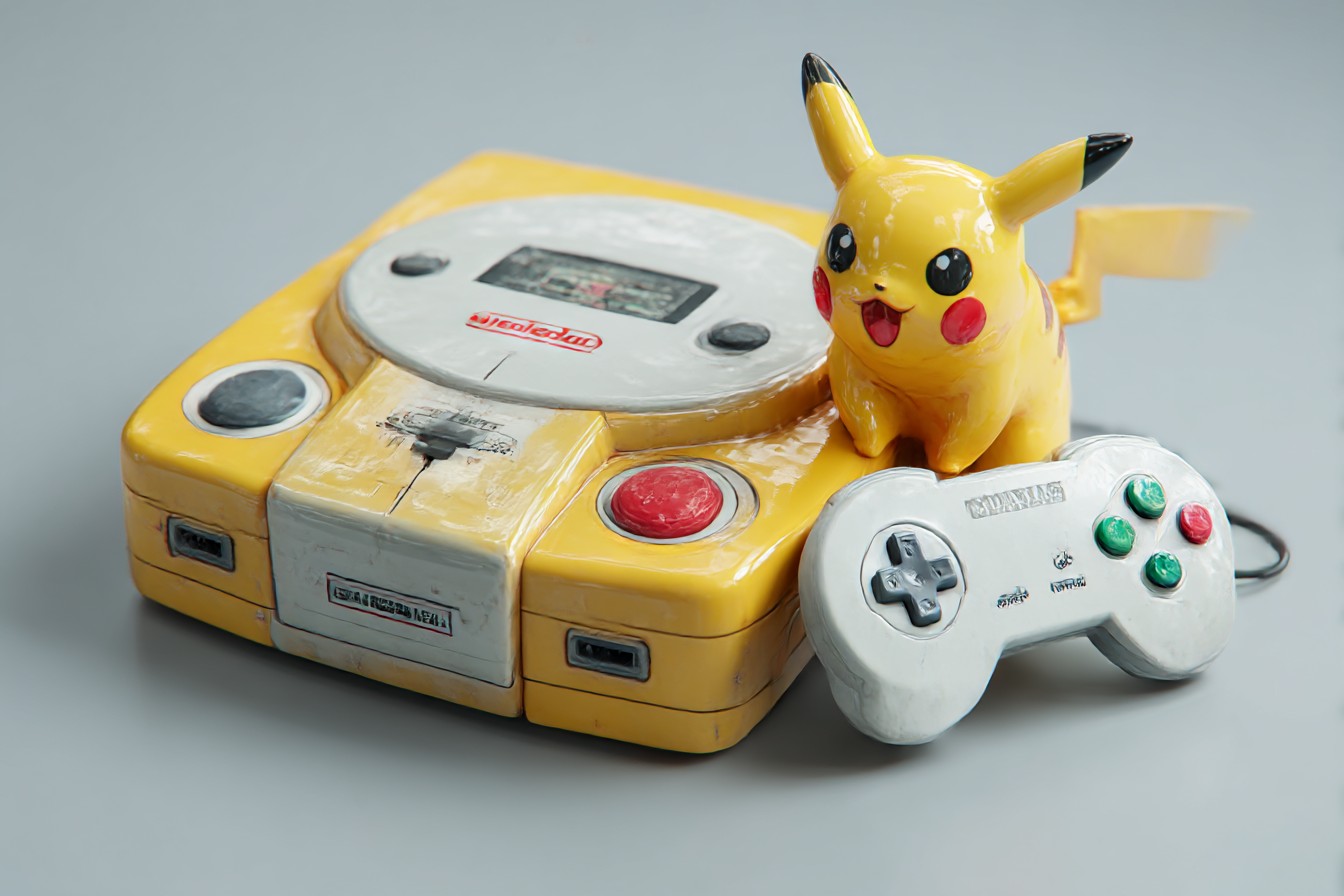
I ended up getting one myself about six months later, from a proper dodgy electronics shop in town that had somehow got hold of Japanese imports. The bloke behind the counter—chain-smoking, fingers stained yellow, definitely not someone you'd trust with your pocket money—assured me it would work fine with UK games. He wasn't lying, thankfully. Cost me three months' worth of saved birthday money and pocket money combined.
Setting it up at home was like Christmas morning. My dad helped me connect the RF leads to our ancient telly, muttering about "all these bloody wires" while I tried to explain why this particular console was worth more than our video player. The first game I played on it wasn't even Hey You, Pikachu!—it was Super Mario 64, because that's what you did with every N64. That opening sequence, Mario's face stretching and squishing in the file select screen, but now it was happening on this beautiful blue machine that looked like it belonged in the Pokémon universe.
The voice recognition thing, when it worked, was actually quite charming. Pikachu would tilt his head, make those adorable "pika pika" noises, sometimes even follow simple commands. Teaching him words felt like training an actual pet, if pets were made of polygons and lived inside your television. The game came with this thick manual full of suggested phrases and pronunciation guides, like learning a foreign language where the foreign language was "talking to a cartoon mouse."
My little sister was obsessed with it. She'd spend hours just chatting away to Pikachu, telling him about her day at school, asking him questions he obviously couldn't answer. The microphone picked up her voice better than mine—probably because she was closer to the target age group Nintendo had in mind. Watching her play was actually quite sweet. She'd get genuinely excited when Pikachu responded correctly, like she'd made a real connection with this digital creature.
The console itself aged beautifully. While my original grey N64 started looking a bit yellowed and worn after a few years of heavy use, that blue Pikachu edition maintained its color brilliantly. The blue plastic seemed more resistant to that horrible yellowing that plagued so many consoles from that era. Even the controller stayed in decent nick, though the analog stick eventually developed that familiar N64 wobble that every controller from that generation eventually succumbed to.
Finding games for it was never an issue—region locking wasn't really a problem if you knew what you were doing, and the PAL game library was solid enough. But there was something special about playing Pokémon Stadium on the Pikachu console. It felt right, like the hardware and software were meant to be together. Those battles looked brilliant on our old CRT, all bright colors and chunky 3D models that somehow managed to be charming rather than primitive.
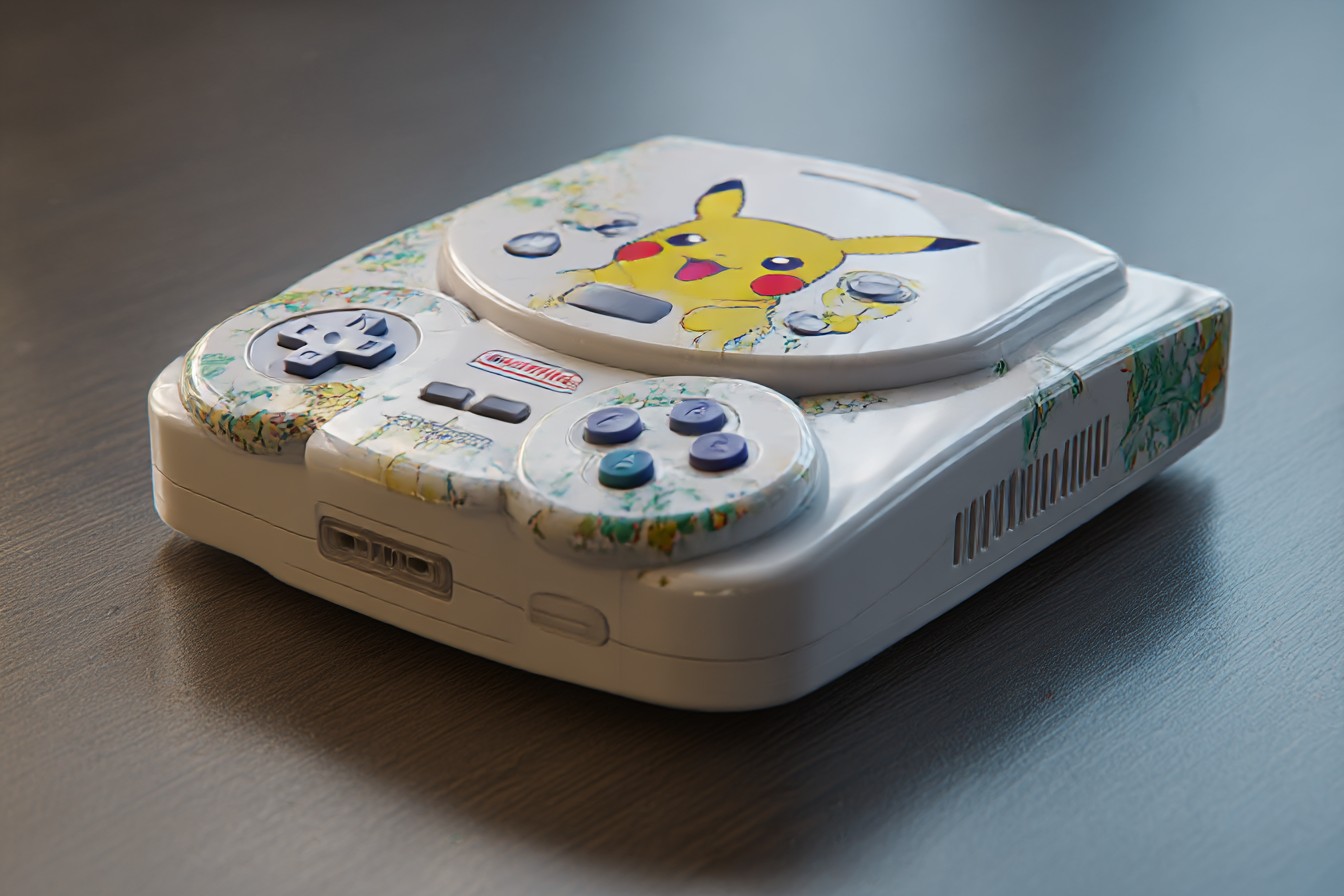
Years later, when I started collecting retro consoles properly, the Pikachu N64 became one of those pieces that friends would always comment on. "Oh, you've got the blue one!" they'd say, like it was some legendary artifact. And in a way, it was. Limited production run, distinctive design, tied to one of the biggest gaming franchises in the world—it ticked all the collector boxes.
The microphone accessory, though… that thing was a nightmare to store. Too big for most game storage solutions, too fragile to just chuck in a drawer. I've still got mine somewhere, probably buried in a box of cables and controllers in the loft. Every now and then I think about digging it out and seeing if Hey You, Pikachu! still works, but then I remember how frustrating it could be and decide I'd rather keep the rose-tinted memories intact.
What made the Pikachu N64 special wasn't really the voice recognition gimmick or even the exclusive game. It was the fact that Nintendo was still willing to take mad risks, to try things that might completely fail but might also be brilliant. The whole thing could have been a disaster—expensive hardware, untested technology, appeal limited to one demographic—but somehow it worked. Not commercially, maybe, but as a statement of intent. This is what we do. We make the impossible possible, even if it's a bit wonky.
That's the N64 era in a nutshell, really. Mad ideas executed with just enough technical wizardry to make them work. The Pikachu console was the perfect embodiment of that philosophy: beautiful, ambitious, slightly broken, and absolutely unforgettable.