Back in ’94, I was still primarily an Amiga lad, but I’d managed to convince my parents to get me a Mega Drive the year before – had to have Streets of Rage 2, didn’t I? Most of my mates were still on their Spectrums or C64s, but a few had made the jump to Sega’s 16-bit machine. The thing about console gaming in the UK then was that we were always a bit behind the curve, getting games months after they’d hit America, and Disney games… well, they weren’t exactly known for being challenging, were they?
I remember seeing The Lion King advertised in Mean Machines Sega – gorgeous screenshots that looked almost too good to be true. Disney animation running on a Mega Drive? Come off it. But Virgin Interactive had a decent track record, and the movie was massive that year. Every kid in Manchester was humming “Hakuna Matata” whether they wanted to or not. So when I spotted it in Game for £39.99 (absolute fortune, that), I’d saved up my paper round money and took the plunge.
First thing that hit me was the presentation. Bloody hell, it actually did look like Disney animation. The opening level had young Simba bouncing around with this fluid movement that put most other platformers to shame. The parallax scrolling across those African landscapes was gorgeous – made my little 14-inch Matsui telly feel like a proper cinema screen. And the music! Hans Zimmer’s soundtrack compressed through the Mega Drive’s FM synthesis shouldn’t have worked, but it absolutely did. That tribal drumming pumping through my parents’ front room while mum was trying to watch Coronation Street.
The gameplay seemed straightforward enough at first – standard platforming with a Disney coat of paint. Jump on warthogs, swing from monkey tails, collect grubs. Nothing my years of Sonic hadn’t prepared me for. Virgin had made it accessible and colorful, perfect for kids who’d just watched the film. I was feeling pretty confident, maybe even a bit smug about how easy it was.
Then I hit “Can’t Wait to be King.”
Christ, what were they thinking? The elephant graveyard level was like hitting a brick wall at full speed. Suddenly the game transformed from cheerful Disney romp into this precision-demanding nightmare that required pixel-perfect timing and the patience of a saint. Those crumbling platforms with the stampeding wildebeest below – miss your jump by even a fraction and you’re back to the beginning. I must have died thirty times on that section alone, sitting there in my bedroom getting increasingly wound up while my younger brother kept poking his head in asking why I was shouting at the telly.
But here’s the mental thing – it wasn’t unfair. Frustrating as hell, absolutely, but every death taught you something. The jump timing, enemy patterns, platform spacing – it all had this internal logic that you could eventually master if you stuck with it. When I finally, finally cleared that elephant graveyard section, I actually punched the air. Proper celebration. My mum thought I’d lost it completely.
The transition to adult Simba later in the game was brilliant design work. Suddenly you’re this powerful lion who can take down hyenas with a single swipe instead of running away from everything. The sprite was bigger, more imposing, and the combat felt weighty and satisfying. It genuinely felt like character progression, like you’d earned that power by surviving the brutal early levels. Clever stuff from Virgin’s designers.
What impressed me most was how authentic it felt as a Disney product. Most licensed games back then were obvious cash grabs – slap some familiar characters on generic gameplay and hope parents don’t know any better. But The Lion King actually captured specific scenes and moments from the film. The “Hakuna Matata” level with Timon and Pumbaa felt genuinely carefree, a proper breather between the more intense platforming sections. You could tell someone at Virgin actually cared about doing the source material justice.
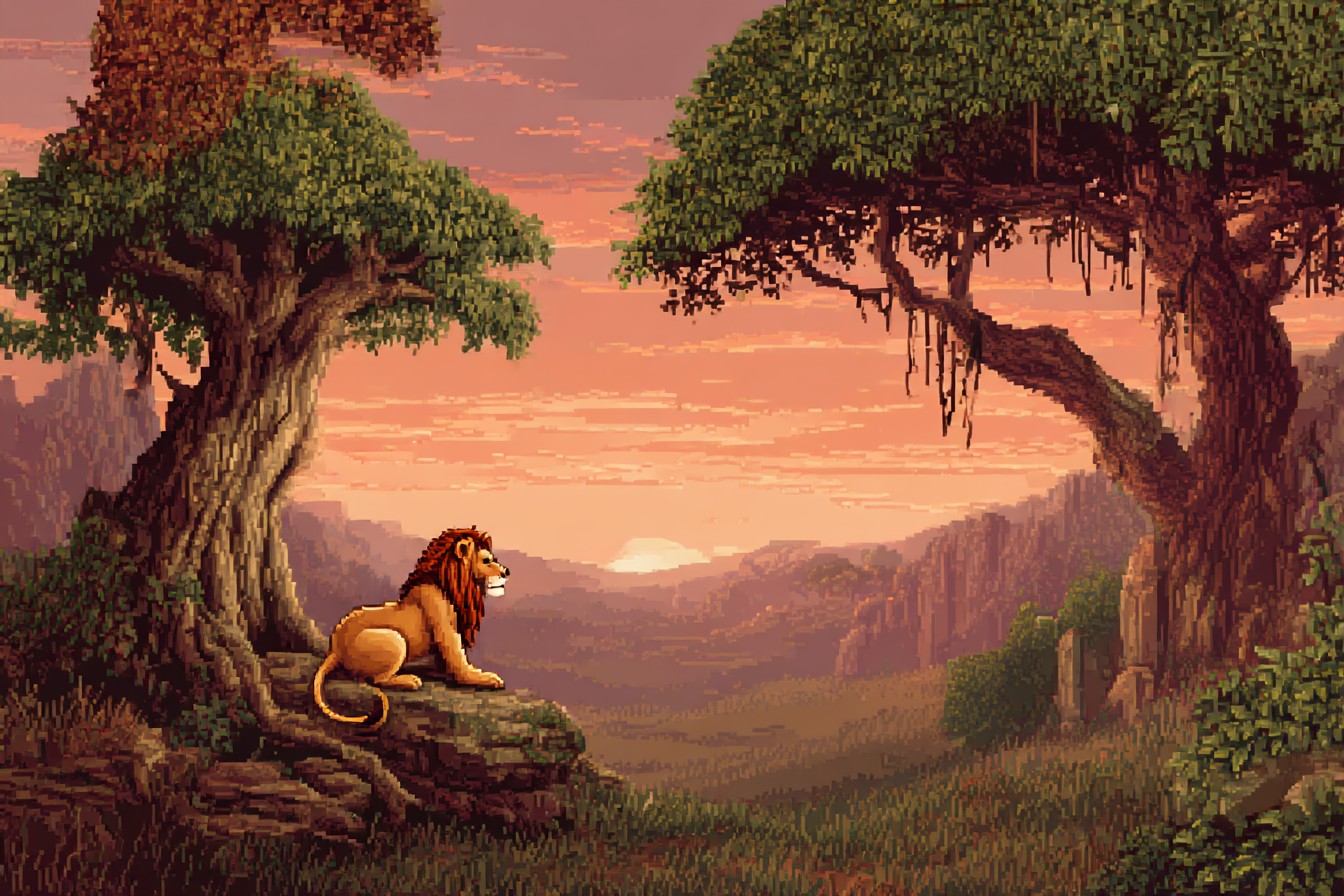
The boss battles were properly memorable too. That hyena fight in the elephant graveyard wasn’t just mechanically challenging – it was genuinely unsettling, capturing the menace from the film. And the final showdown with Scar on Pride Rock felt epic in scope, multiple phases with environmental hazards and real narrative weight. When you finally sent that scheming git tumbling off the cliff, it felt like proper justice.
I ended up spending weeks perfecting my routes through the trickiest sections, developing muscle memory for jump timings and enemy attack patterns. My save file became this monument to stubborn persistence – every level completed, every secret area discovered. Even found that hidden bonus level where you play as Timon, which felt like discovering buried treasure. My mates at school thought I was mental, spending so much time on what looked like a kids’ game.
The difficulty was teaching you to properly engage with the mechanics, though. You had to learn Simba’s exact jump arc, understand how different enemies behaved, master the timing of moving platforms. It was old-school design philosophy – fail until you succeed, then succeed until you’re actually good at it. No hand-holding, no difficulty options, just pure trial and error until you got it right.
Years later, playing it again through emulation with save states and rewind features, I realized how carefully balanced it actually was. Every section had this internal rhythm that you could eventually internalize. The original Mega Drive version remains the definitive way to experience it – that FM synthesis gave the music a particular warmth that later ports couldn’t quite capture, and the six-button pad felt perfect for Simba’s moveset.
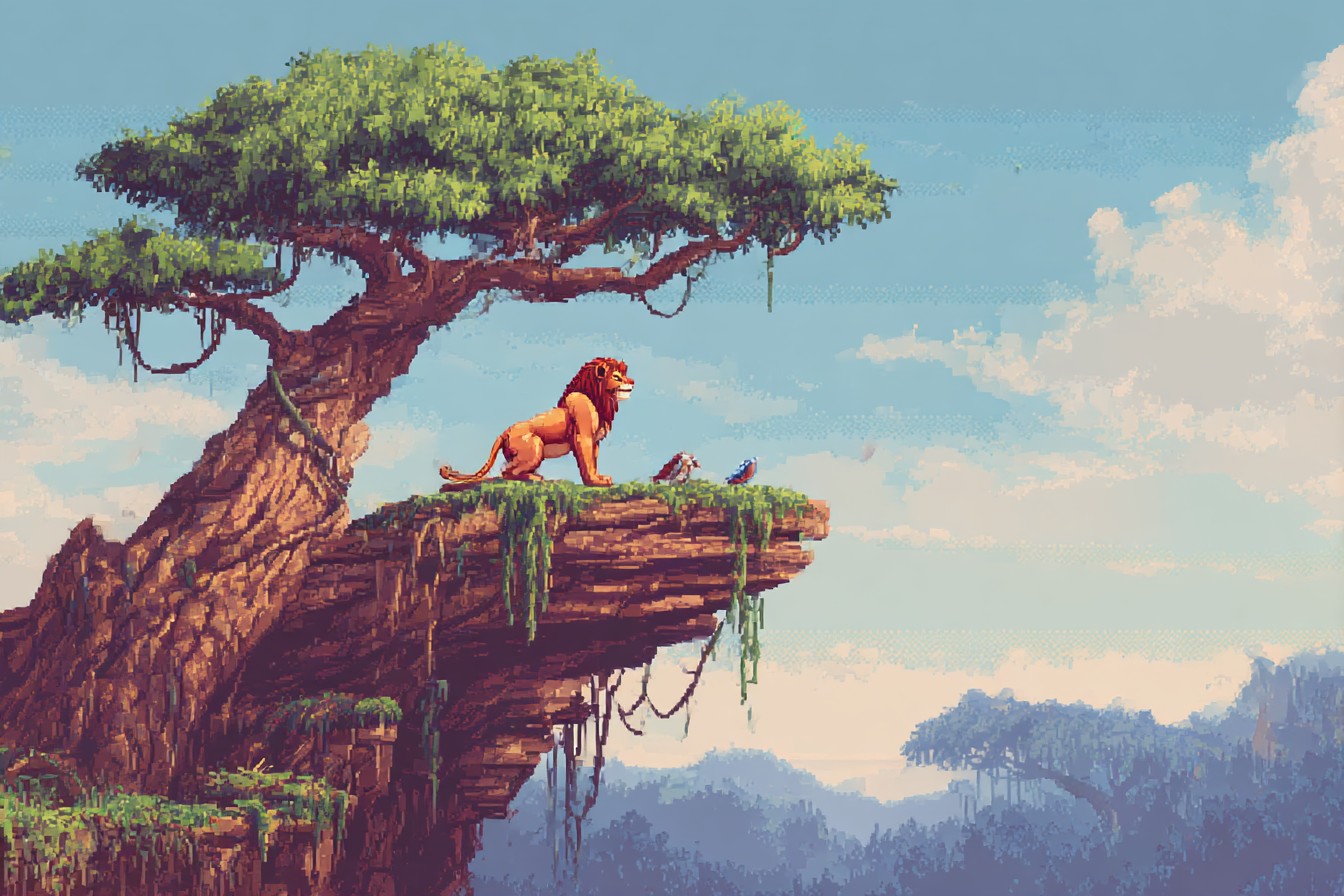
The Lion King proved that movie tie-ins could be legitimate gaming experiences when developers actually bothered to craft something special. It respected players enough to challenge them properly while staying true to Disney’s vision. Brutal as hell in places, but brilliant throughout. It’s the kind of licensed game we rarely see anymore – one that treats both the source material and the audience with genuine respect.
Looking back, it stands as proof that the Mega Drive was capable of experiences that went far beyond Sonic’s speed runs. Sometimes the best games are the ones that surprise you, that take familiar characters and put them through properly challenging paces. The Lion King did exactly that, and gaming was better for it.

John grew up swapping floppy disks and reading Amiga Power cover to cover. Now an IT manager in Manchester, he writes about the glory days of British computer gaming—Sensible Soccer, Speedball 2, and why the Amiga deserved more love than it ever got.