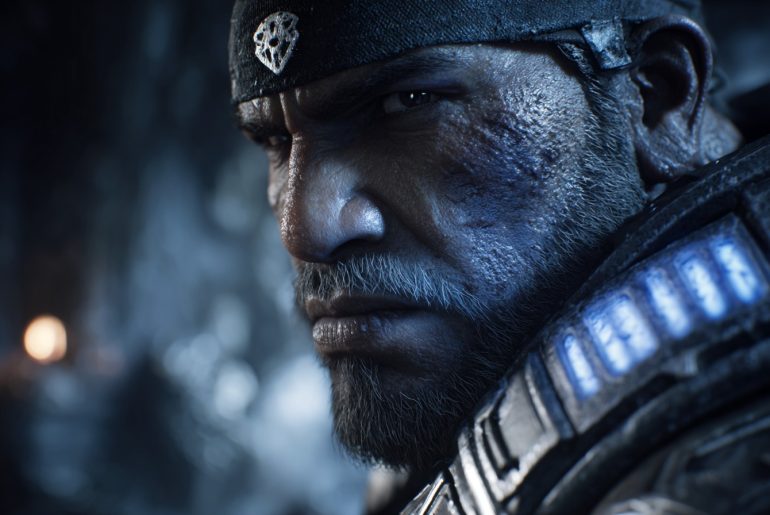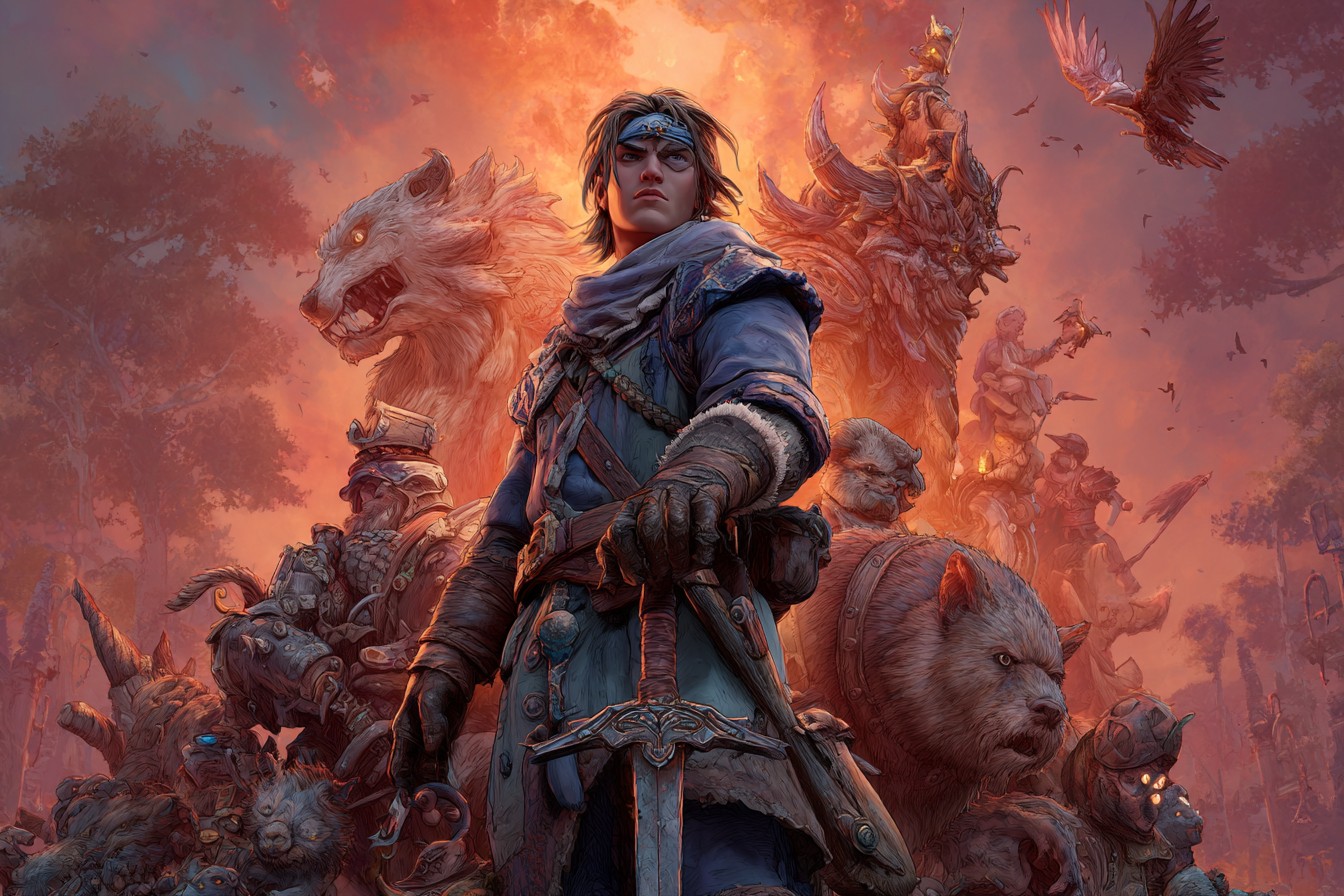
I spent fifteen years in IT management understanding that sometimes the best systems are the ones that respect user agency completely. Fable is a game that respects player agency in ways that were genuinely innovative for 2004. Your character’s appearance changes based on your actions. NPCs react to your morality. The world responds to your choices. This isn’t cosmetic choice – this is fundamental integration of player agency into game design.
What impresses me about Fable is the commitment to choice mattering. Peter Molyneux promised big and Lionhead delivered most of what was promised. Your hero evolves based on your decisions. Heroes grow handsome and noble. Villains grow scarred and twisted. This visual feedback creates constant reinforcement that your choices matter. That commitment to showing consequences creates investment.
What Fable Actually Does
You’re a child who witnesses tragedy and grows into a hero. The story unfolds across decades as you age. Your character’s appearance shifts based on alignment and experience. Good deeds make you attractive. Evil acts scar you. Violence makes you muscular. Magic use gives you tattoos. The visual evolution is constant feedback that your choices have consequences.
The moral choice system is genuinely integrated. Helping NPCs versus demanding payment. Lying versus honesty. Protecting innocents versus harming them. These choices accumulate and affect how NPCs react to you. Villagers praise heroes. Villagers fear villains. That emotional reaction is more powerful than mechanical rewards because it creates genuine consequences.
The action combat is engaging without being complex. You have melee attacks, ranged attacks, and magic spells. You’re managing action resources. The difficulty scales appropriately. Early encounters teach mechanics. Later encounters demand strategy about power usage and positioning.
The world design creates investment. Different regions have distinct personalities. NPCs have routines and reactions. Completing quests changes the world visibly. A village you help improves. A village you ignore decays. The environmental consequences reinforce that your choices matter.
Why Player Choice Matters
Here’s what Fable understood that many games miss – player agency creates investment. When players feel their choices have real consequences, they care deeply about those choices. Fable creates consequences that are visible and emotional. NPCs react to your morality. The world changes based on your actions. Your character reflects your choices physically.
The marriage system creates personal stakes. You can marry NPCs and raise families. Your spouse leaves you if you’re too evil. Your children are affected by your morality. These personal relationships create investment beyond mechanical progression. You’re making choices about your character’s personal life, not just combat effectiveness.
The aligned quest system creates moral investment. You can complete quests for good or evil factions. Your alignment affects available quests. A good hero has different objectives than an evil hero. This creates replay value because different moral approaches create genuinely different games.
The Technical Achievement
The graphics are good for 2004. The character models are detailed and animate well. The aging progression is visually clear – your character looks distinctly older as the game progresses. The scarring from evil acts is visible and distinctive. The tattoos from magic usage mark your character clearly. The visual feedback is constant and clear.
The environment design reflects your moral choices. Villages you help prosper visually. Villages you ignore decay visibly. This environmental feedback reinforces that choices matter. The world is responding to your agency.
The sound design supports the moral feedback. Music shifts based on alignment. NPCs react vocally to your morality. Combat sounds are satisfying. The audio creates emotional weight to choices.
Does Fable Still Hold Up?
The graphics are dated but the character design is distinctive. The aging progression is still clear. The moral feedback is still visible. The world design still reflects choices.
The action combat is still engaging. The difficulty is still fair. The progression is still satisfying. The choice integration is still compelling. Playing this now, you understand why people still celebrate this game.
The moral choice system still creates investment. Consequences still feel meaningful. NPCs still react appropriately. The world still changes based on actions. The personal relationships still create emotional weight.
The story is charming without being precious. The character development is earned through action rather than exposition. The progression feels natural. The ending respects your choices.
Why This Game Mattered
Fable proved that player choice could be genuinely integrated into game design. It proved that visible consequences create investment. It proved that moral systems could matter emotionally, not just mechanically.
The franchise would continue with sequels that expanded on these foundations. Modern RPGs understand that player choice creates investment. Choice systems became more complex and sophisticated. But Fable established that consequences needed to be visible and emotional to matter.
The Verdict
Fable is an RPG that proves player choice creates genuine engagement when consequences are real and visible. Your character’s appearance reflects your morality. The world changes based on your actions. NPCs react emotionally to your choices. The action combat is engaging. The progression is satisfying. The moral system creates investment.
This is a game where every system serves respecting player agency and showing meaningful consequences. The developers understood that choice matters when it has visible, emotional impact.
If you’ve never played Fable, play it and understand why choice-focused gamers still celebrate it. If you played it when it released, replay it and appreciate how well the choice integration still holds up. If you make RPGs, study Fable because it’s proof that visible consequences create engagement.
Rating: 9/10 – The RPG that proved player choice and visible consequences matter
Return to our full Xbox rankings →

John grew up swapping floppy disks and reading Amiga Power cover to cover. Now an IT manager in Manchester, he writes about the glory days of British computer gaming—Sensible Soccer, Speedball 2, and why the Amiga deserved more love than it ever got.