I’ve been gaming since the early 1980s and I’ve watched the emulation landscape evolve from niche hobby to mainstream accessibility. The question “are emulators legal?” gets asked constantly and the answer is technically complex because the legality of emulation itself is different from the legality of what you run on emulators. Understanding the actual legal situation requires understanding what emulation is technically and what copyright law actually says.
The short answer that gets people in trouble is “emulators themselves are legal.” That’s true but incomplete. Emulators are software that recreates the functionality of original hardware. They’re legal to create, distribute, and use. A Nintendo 64 emulator is just code that mimics how N64 hardware works. That code itself isn’t illegal. Courts have ruled multiple times that emulation software is legal. But the complete answer requires understanding that legality of the emulator and legality of what you play on the emulator are separate questions entirely.
What Emulation Actually Is
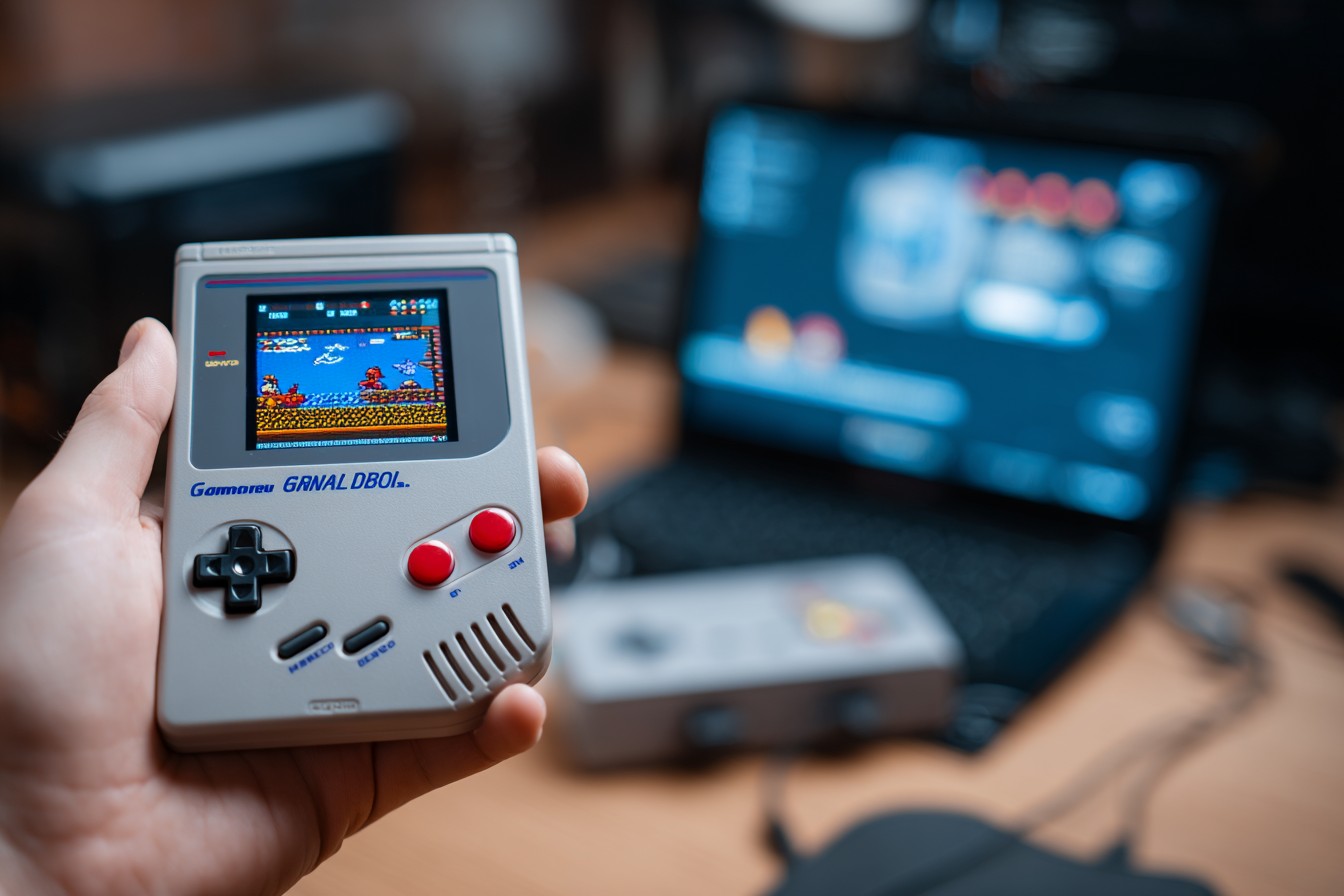
Emulation is software that recreates hardware functionality. When you run an N64 emulator, you’re running code that pretends to be N64 hardware. The software translates instructions written for N64 processors into instructions your modern computer can execute. This is technically sophisticated but conceptually straightforward – it’s just translation from one instruction set to another.
Creating an emulator requires reverse-engineering the original hardware. You need to understand how the processor works, how the graphics chip works, how the sound chip works, how memory addressing works. You need to document all these systems and write code that replicates them. This is legal. Reverse-engineering for interoperability purposes is protected by copyright law in most jurisdictions. Creating software that works with existing hardware is permitted.
The emulation community has spent decades refining emulators. The best N64 emulators now provide visual fidelity that exceeds what the original hardware could do. You can play N64 games in 4K resolution with anti-aliasing and improved draw distances. These improvements are technically possible because modern hardware is powerful enough to simulate the original hardware and add enhancements.
The Legality Question: Emulators Themselves
Emulator software is legal. Courts have established this repeatedly. The landmark case is Sony v. Connectix, where Sony sued Connectix for creating a PlayStation emulator. The court ruled that emulation software is legal as long as it doesn’t involve copying copyrighted code from the original hardware. Connectix reverse-engineered the PlayStation’s functionality without copying Sony’s code. They won the case. The precedent is clear – emulation software is legal.
The Digital Millennium Copyright Act (DMCA) complicates things slightly. The DMCA prohibits circumventing copyright protection measures. Some argue that emulation circumvents copy protection. But courts have generally ruled that emulation doesn’t violate the DMCA because you’re not circumventing protection – you’re just running software that happens to work with protected media. The legal landscape has gotten clearer over time. Emulation is legal.
Nintendo has consistently argued against emulation through their legal department, but they’ve never successfully sued someone for creating an emulator. They’ve sued sites that distribute ROMs and sued companies that ship emulators with pre-loaded games, but they haven’t won cases against emulator developers themselves. The legal precedent supports emulation as legal.
The distinction matters because it means you can legally download and use emulator software. You can legally create your own emulator. You can legally sell an emulator (though Nintendo will definitely try to sue you). Emulation itself is protected.
The Legality Question: Games On Emulators
But here’s where the legal situation gets complex – what you run on the emulator is a different legal question. Games are copyrighted. Publishers own the copyright. Playing a copyrighted game without permission or without owning a license is copyright infringement. That’s different from the legality of the emulator.
If you own original cartridges or discs, dumping those games to ROM files for your personal use is a gray area. The law technically prohibits copying copyrighted material even for personal use. But there’s an argument for fair use – you own the game, you’re making a personal backup. Courts have been somewhat sympathetic to this argument for personal backups, but they haven’t definitively ruled that it’s legal. It’s legally safer to assume it’s technically infringement but practically unprosecuted.
If you download ROM files from the internet, that’s clearly copyright infringement. Someone created those ROM files by copying copyrighted games. Distributing them is infringement. Downloading them is infringement. You’re receiving stolen property even if the property is digital.
The distinction between emulation and ROM distribution matters legally. Nintendo can’t successfully sue emulator developers because emulation is legal. But Nintendo regularly sues ROM distribution sites because distributing copyrighted games is illegal. The DMCA takedown notices that ROM sites receive aren’t about emulation – they’re about copyright infringement.
The Practical Reality
Legally, you should play games you own. You can dump your own cartridges to ROM files. You can use emulators to play those ROM files. This is technically defensible legally even if copyright law is technically against you.
But practically, most people playing games via emulation are playing games they don’t own. They’re downloading ROM files of games they’ve never purchased. This is copyright infringement. It’s also rarely prosecuted against individual players. Nintendo goes after ROM distribution sites, not people playing games on their home computers.
The legal risk to playing emulated games you don’t own is minimal unless you’re distributing the games. Downloading ROMs exposes you to potential legal action, but it’s rare. Nintendo has better things to do than sue individuals. They focus on sites that distribute thousands of games.
The ethical question is separate from the legal question. Even if Nintendo isn’t going to sue you for playing emulated games, you’re still using copyrighted material without permission or payment. Whether that matters to you depends on your personal ethics. Some people believe abandonware should be free. Some people believe creators deserve compensation regardless. Neither position is objectively correct – they’re value judgments.
The Modern Legal Landscape
Nintendo’s Virtual Console and Nintendo Switch Online services represent their legal answer to emulation. They want to sell games legally. If you want to play classic games legally, buying them through official services is the clear path. You’re paying for the game and the company gets revenue.
This has complicated the emulation debate. Games are now legally available through Nintendo Switch Online. You can play N64 games, NES games, SNES games, Genesis games through paid subscriptions. The excuse that games are “unavailable” doesn’t work anymore for many titles. Nintendo has made classic games legally accessible.
That said, not every game is available through official services. Some games are still effectively unavailable unless you buy original cartridges. Those games exist in a legal gray area. Nintendo could theoretically sue you for playing them via emulation, but they probably won’t because the games aren’t generating them revenue anyway.
The emulation community has become more organized and transparent. Major emulator projects like Dolphin (GameCube/Wii) are open-source and well-documented. The legality is clearer because transparency makes it easier to prove the code isn’t copied from proprietary sources.
What You Should Actually Know
Emulator software is legal. You can download and use emulators without legal risk. Creating emulators is legal. The legality of what you play on emulators depends on whether you own the games or have permission to play them.
Playing games you own via emulation is legally defensible and practically safe. Dumping your own cartridges to ROM files is technically copyright infringement but practically unprosecuted if done for personal use.
Playing downloaded ROM files of games you don’t own is copyright infringement. It’s rarely prosecuted against individual players, but it is technically illegal. The practical risk is minimal but the legal risk exists.
The ethics of emulation are separate from the legality. You can support creators by buying official releases while also using emulation for games that aren’t officially available. You can believe that abandonware should be free while acknowledging the legal reality.
If you want to be legally safe, buy games through official channels when available. If you own original cartridges, emulation is a legal way to play them without wearing out the originals. If you want to play games that aren’t officially available, you’re technically breaking copyright law but you’re unlikely to face legal consequences.
The practical reality is that most people using emulation are playing games they didn’t pay for, knowing it’s technically illegal but betting that Nintendo won’t bother suing them. That’s a personal choice about ethics and risk tolerance. Just understand what the actual legal situation is before making that choice.
The emulation community thrives because the legal and practical consequences are minimal. But that doesn’t make it legal – it just makes it prosecuted rarely. There’s a difference between something being legal and something being unprosecuted.