My mate Dave had this theory about comic book games in the early nineties—they were all rubbish, he'd say, because nobody could figure out how to make superpowers feel super on a 16-bit console. Then he borrowed my copy of the X-Men game for the Mega Drive, and I didn't see him for three days straight. His mum rang my house asking if he was dead or just "doing that thing with the TV again."
The X-Men beat 'em up on Sega Genesis wasn't just a game; it was a weekend destroyer, a friendship tester, and proof that Konami understood something fundamental about what made Marvel's mutants tick. This wasn't some lazy cash-grab with sprites that vaguely resembled the characters if you squinted really hard. This was four-player superhero chaos that actually felt like being part of the team.
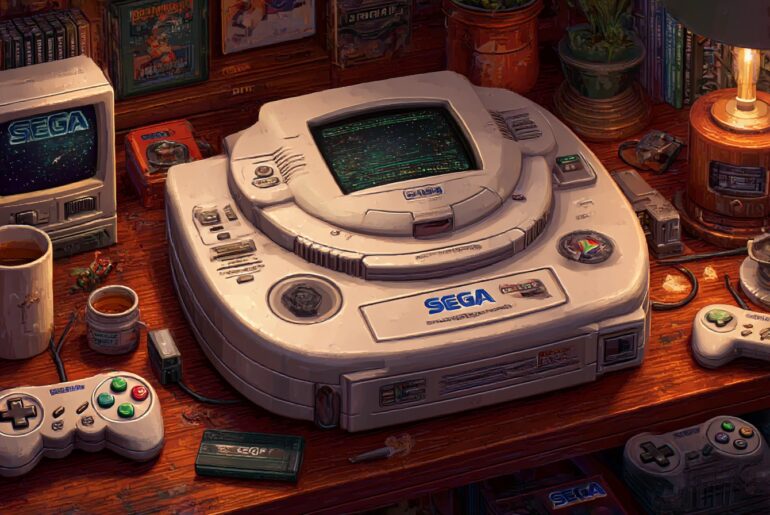
I still remember the first time I saw all four controllers plugged into that chunky multitap, the living room carpet covered in a tangle of wires that looked like someone had exploded a stereo. My cousin had managed to convince his parents that the multitap was "educational" because it promoted "cooperation and sharing." Technically true, if you count arguing over who gets to be Wolverine as cooperation.
The character select screen was where the negotiations began. Everyone wanted Logan, obviously—those claws, that healing factor, that satisfying "snikt" sound effect that somehow managed to cut through the Mega Drive's FM synthesis like butter. But the beauty of this game was that every character felt genuinely different to play. Cyclops had those devastating optic blasts that could clear entire screens of Sentinels. Storm could float around like she owned the place, calling down lightning that made the TV speakers crackle with righteous fury. Nightcrawler's teleportation wasn't just a gimmick—it was essential for getting out of tight spots when the screen filled with purple robots intent on mutant genocide.
The animation work was something else entirely. These weren't the stiff, lifeless sprites you'd find in lesser comic adaptations. Wolverine's berserker barrage actually looked frenzied, like he'd lost himself in the moment. When Storm summoned her weather powers, you could almost feel the static electricity building in the room. Cyclops adjusting his visor before unleashing a particularly devastating blast? Pure comic book theatre, compressed into 16 bits and served with a side of FM synthesis.
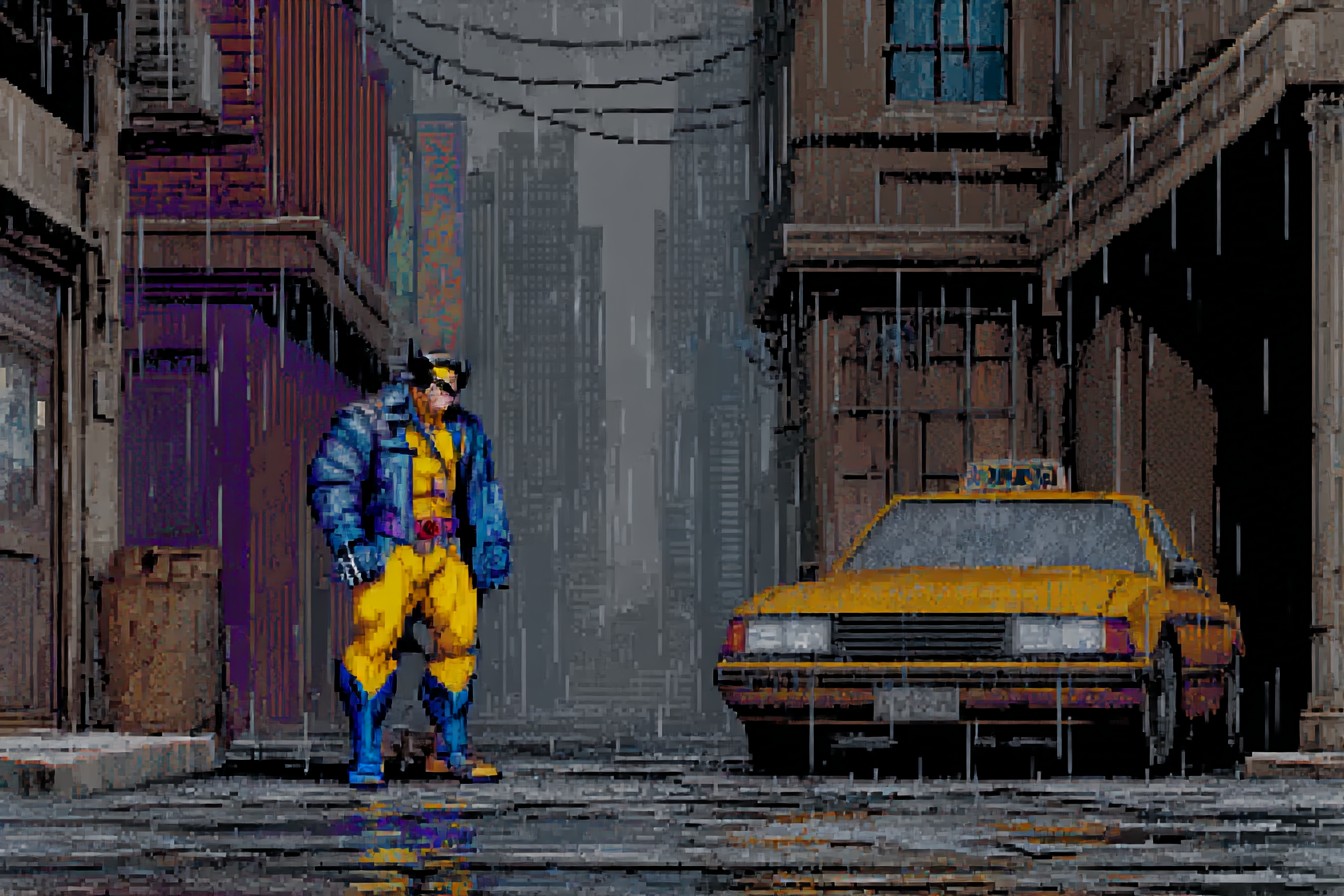
What really sold the experience, though, was how the game handled the mutant powers as special moves. You couldn't just mash buttons and expect miracles—each character had their own rhythm, their own timing requirements. Learning to chain Nightcrawler's teleport into a diving kick, or timing Storm's lightning to hit multiple enemies at once, felt like mastering actual superpowers rather than just memorizing combos.
The sound design deserves its own paragraph, honestly. That Yamaha chip in the Mega Drive made everything sound properly heroic—the satisfying thunk of Wolverine's claws connecting with Sentinel armor, the electronic whine of Cyclops charging up his optic blast, the thunderous crash when Storm brought the weather down on some poor Purifier's head. Even the background music had that slightly metallic edge that made everything feel more urgent, more comic book-y.
But here's what separated this game from every other licensed beat 'em up of the era: it actually felt like playing through a proper X-Men story. The Sentinels weren't just random enemies—they were the towering, purple death machines from the comics, programmed to hunt mutants with mechanical precision. Fighting through the Danger Room felt like training with the actual team. Taking on Magneto in Asteroid M wasn't just a boss fight—it was the culmination of decades of X-Men mythology crammed into a single, spectacular showdown.
The four-player mode was where things got properly mental. My living room would transform into Xavier's School for Gifted Youngsters, except instead of learning to control our powers responsibly, we were learning to coordinate devastating team attacks while simultaneously trying to claim the best power-ups before anyone else could grab them. "I called dibs on that health!" became the rallying cry of Saturday afternoons, usually shouted over the sound of Storm's weather effects and Wolverine's increasingly frequent "AAAARGH!" samples.
Co-op games were different then, you know? There was no online matchmaking, no voice chat, no complex lobby systems. You had to negotiate living room real estate, argue over controller assignments, and somehow reach consensus on difficulty settings while balancing four separate egos and play styles. The X-Men game was particularly brutal in this regard because every character played so differently. Wolverine players were always charging ahead, Storm players were trying to stay airborne and rain death from above, Cyclops players were hanging back and sniping, and Nightcrawler players were teleporting all over the place like caffeinated ninjas.
The game also had this brilliant way of making you feel powerful without being overpowered. Yes, you could devastate entire screens of enemies with the right combination of special moves, but the Sentinels kept coming, and they hit back hard. Health management became crucial, especially on the higher difficulty settings where Magneto could drop your health bar faster than a lead balloon in a magnetic storm.
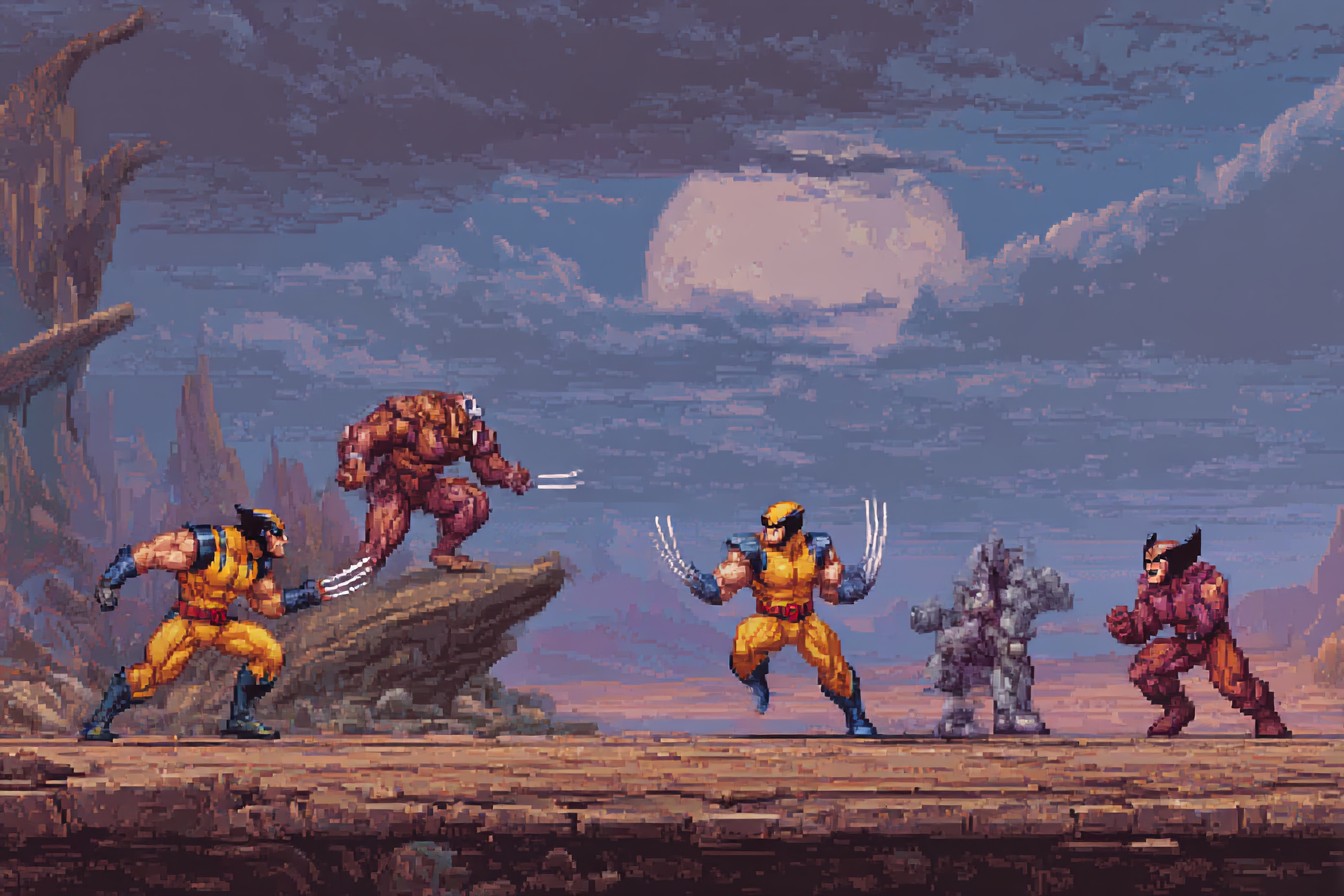
Looking back now, with thirty-odd years of gaming hindsight, the X-Men beat 'em up represents something we lost somewhere along the way—the pure joy of local multiplayer chaos. No lag, no connection issues, just four controllers, four friends, and the shared goal of punching robots until they exploded in satisfying showers of purple sparks.
I've tried playing it on emulators with netplay, and while it works mechanically, something's missing. The shouting, the elbow-nudging, the inevitable argument when someone "accidentally" walks off screen during a crucial boss fight—that's all part of the experience. The game was designed for shared sofas and communal snack bowls, for the kind of gaming session that started at breakfast and ended when someone's mum finally put their foot down about dinner.
These days, my copy sits in a protective case, the label slightly faded but still readable. Occasionally, I'll fire it up on the old Mega Drive when friends come over, and without fail, someone will say "Oh, I remember this one!" before immediately claiming Wolverine and diving headfirst into a crowd of Purifiers.
That's the mark of a proper classic—it doesn't just survive nostalgia, it transcends it.