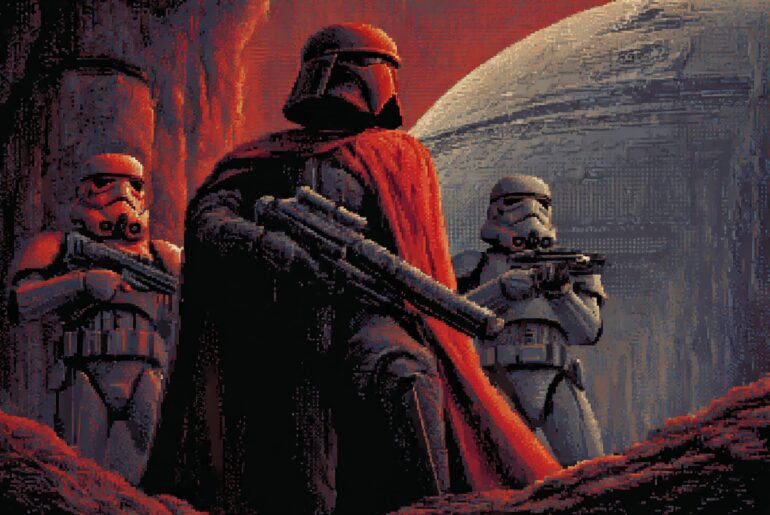
Finding a forgotten gem in your collection is like discovering a twenty in an old jacket pocket—unexpected, delightful, and somehow worth more than its face value. That's exactly what happened when I was rummaging through a box of N64 carts last weekend, pushing past the usual suspects of Mario and Zelda, when my fingers hit something I'd completely forgotten about: Beetle Adventure Racing.
Now, I know what you're thinking. A racing game sponsored by Volkswagen sounds about as thrilling as assembling IKEA furniture while watching paint dry. Trust me, I had the same reservations back in '99 when I picked it up from the bargain bin at Electronics Boutique for fifteen quid. The cashier even gave me that look—you know the one—like I was buying a knock-off handbag at a car boot sale.
But here's the thing about assumptions: they're like those plastic tabs on old game cases—they break the moment you apply any real pressure.
Beetle Adventure Racing wasn't just a racing game. It was something far more interesting, and frankly, far more mental than anyone expected. EA managed to create this bizarre hybrid that combined traditional racing with what I can only describe as 3D platforming sensibilities. Think Crash Team Racing meets Diddy Kong Racing, but with actual Volkswagen Beetles and a sense of exploration that made every track feel like a miniature open world.
The first time I fired it up, I was expecting the usual: pick a car, pick a track, hold accelerator, turn left occasionally. Instead, I got dropped into Mount Mayhem—this twisted volcanic landscape where the racing line was merely a suggestion. There were secret paths everywhere. I'm not talking about subtle shortcuts hidden behind a well-placed jump. These were entire alternate routes that branched off the main track like tributaries from a river, leading to hidden areas with power-ups, point boxes, and sometimes just… stuff to look at.
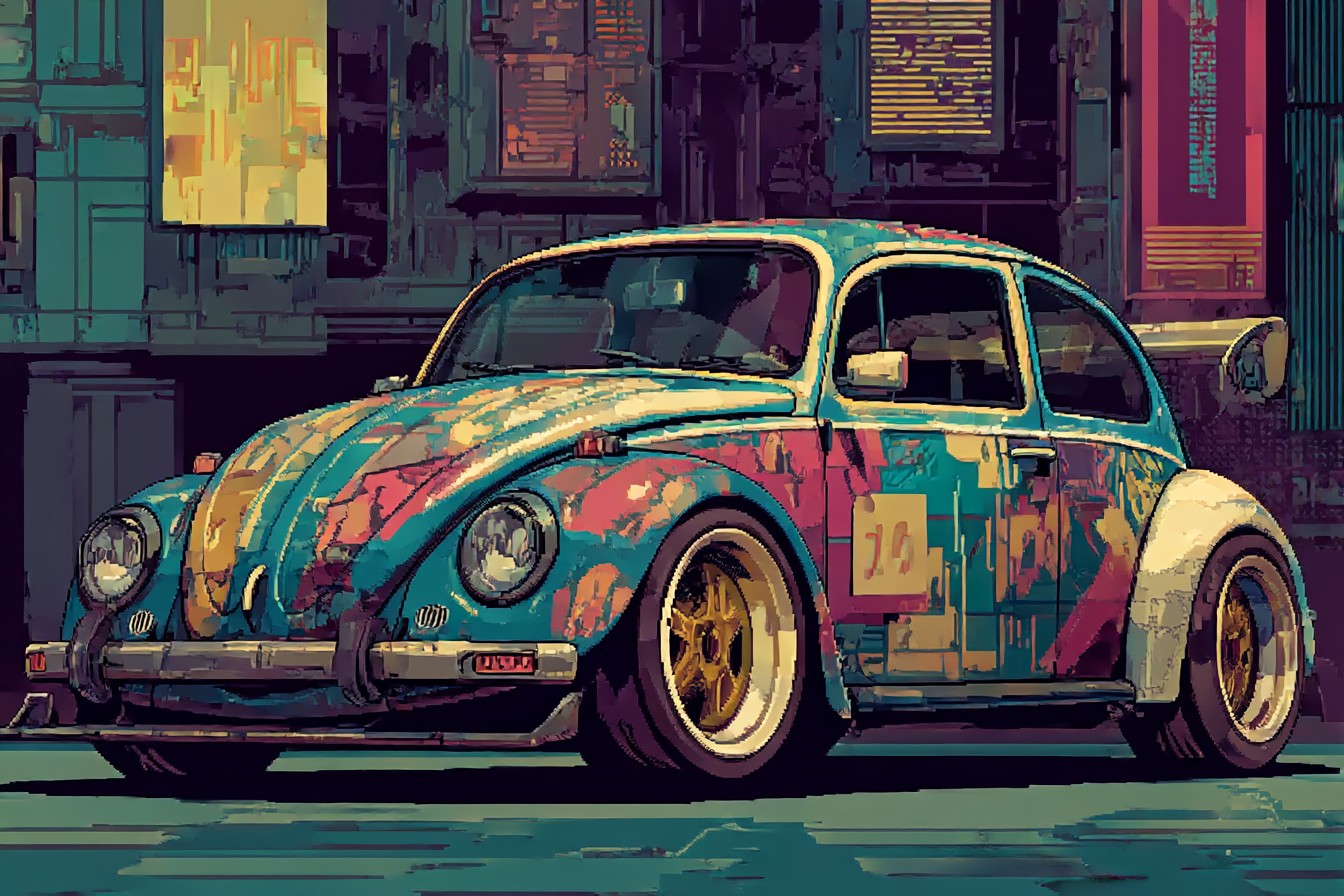
Remember how Super Mario 64 made you want to explore every nook and cranny of Princess Peach's castle? Beetle Adventure Racing did the same thing, but with courses that sprawled across multiple environments. You'd start racing through a desert, take a wrong turn (or was it the right turn?), and suddenly you're careening through underground caves or bouncing across floating platforms suspended over lava. The game actively rewarded curiosity in a way that most racing games simply don't bother with.
What really got me hooked was the championship mode. Each track had these point boxes scattered throughout—little floating Beetle logos that you'd smash through for points. But they weren't just randomly placed. Oh no. The developers clearly spent time hiding these things in the most ridiculous spots imaginable. Some required precise jumps that would make Mario proud. Others were tucked behind waterfalls or perched on seemingly impossible-to-reach ledges that demanded you approach the track like a puzzle rather than a race.
I spent hours—and I mean proper, lose-track-of-time hours—just exploring Sunset Sands. That track alone had more secrets than most entire games. There was this one section where you could launch off a jump, land on a series of floating platforms, and if you got the angle just right, you'd discover a whole underground complex filled with point boxes and a shortcut that spat you out miles ahead of where you started. The first time I found it by accident, I actually yelled at the television. My mum thought I'd hurt myself.
The physics system deserves special mention because it somehow managed to be both arcadey and believable at the same time. The Beetles felt weighty—proper cars with momentum and mass—but they could also bounce and flip and recover from falls that would crumple a real vehicle like a crisp packet. It was like the developers took the handling model from a serious racing sim and then asked, "But what if we made it fun instead?"
And the sound design! The Beetles had this distinctive whirr-pop exhaust note that became incredibly satisfying when you were chaining together perfect landings. There's something deeply pleasing about nailing a sequence of jumps and having the audio feedback reward you with that perfect mechanical symphony. Even now, decades later, I can still hear that sound in my head.
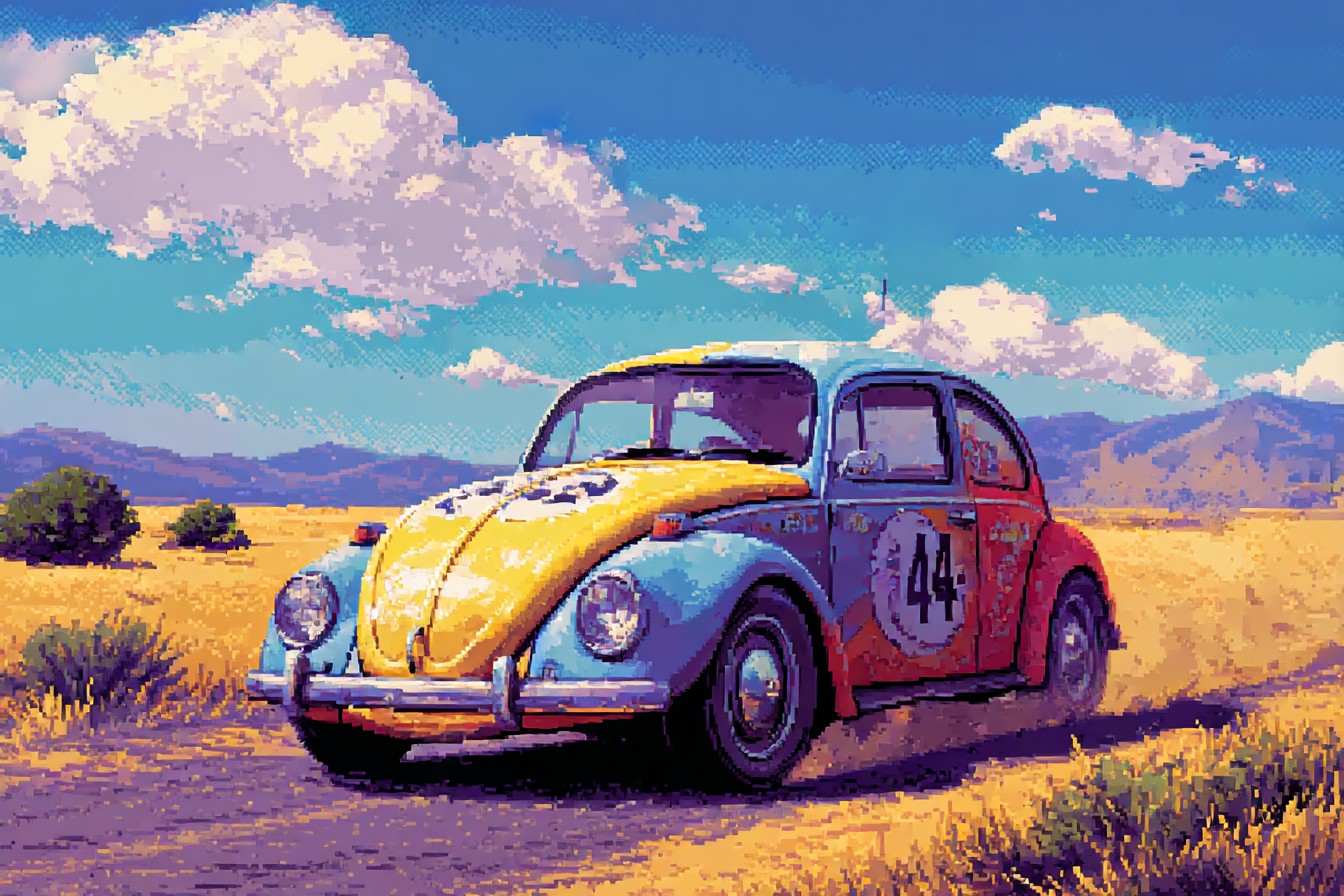
The multiplayer was where things got properly daft. Four-player split-screen races that turned into extended exploration sessions as we all forgot about actually finishing first and instead competed to find the most ridiculous secret areas. We developed this unspoken rule where if someone discovered a new hidden section, we'd all stop racing and just follow them around like tourists. The game accommodated this beautifully because there was always something new to find, even on tracks we thought we knew inside out.
Looking back, Beetle Adventure Racing was doing things that modern open-world racers like Forza Horizon get praised for today, but it was doing them in 1999 on hardware that was already being pushed to its limits by Mario 64 and Ocarina of Time. The fact that it ran smoothly while rendering these massive, complex environments with multiple branching paths and hidden areas was genuinely impressive. The frame rate held steady even with four players tearing around the most detailed sections of each track.
What strikes me most about revisiting this game is how confidently weird it was. EA could have played it safe, created a straightforward arcade racer with the Beetle license, called it a day. Instead, they made something that felt like a fever dream collaboration between racing game designers and platformer level architects. It was ambitious in ways that seemed almost accidental, like they stumbled into brilliance while trying to solve the problem of making a car-based game about exploration rather than just speed.
The real tragedy is how little attention this game received. It came out during the N64's golden period, sandwiched between absolute titans of the platform. Games like this—clever, unusual, genuinely innovative—got lost in the shuffle of bigger names and flashier marketing budgets. But that's exactly why moments like finding it again in a dusty box feel so special. Sometimes the best discoveries are the ones that slipped through the cracks the first time around.