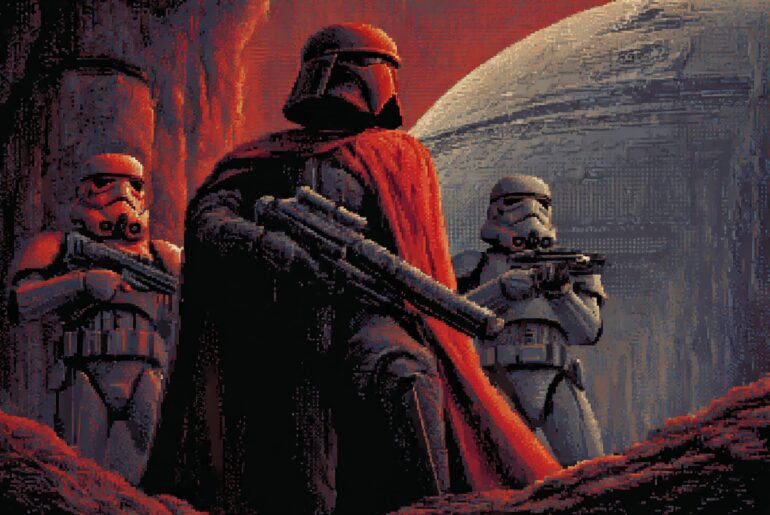
You know what's weird? I was sorting through a box of old Mega Drive carts last Tuesday—the kind of procrastination that happens when you should be doing actual work—and I found my copy of Michael Jackson's Moonwalker. Just holding that chunky plastic shell again brought back this rush of memories from 1990, when celebrity tie-in games were about as common as decent arcade ports and twice as likely to be absolute rubbish.
But Moonwalker? That game was something else entirely. Pure magic wrapped in 16-bit goodness.
I remember the day I first played it. My mate Dave had gotten it for his birthday along with Streets of Rage, and we'd been taking turns on both games all afternoon. His mum kept bringing us these weird orange squash drinks in plastic cups—you know the ones, always slightly warm and tasting vaguely of artificial everything—while we hammered away at the six-button controller. When Moonwalker loaded up and that Sega logo appeared with the proper bass-heavy sound effect, we knew we were in for something special.
The opening sequence still gives me goosebumps. Michael's silhouette doing the lean from Smooth Criminal, that instantly recognizable pose that somehow translated perfectly into pixel art. Then the music kicks in—proper Yamaha YM2612 FM synthesis doing its thing—and you're suddenly controlling the King of Pop himself through what can only be described as the most stylish beat-em-up ever made.
See, most celebrity games back then felt like cash grabs. Someone in a boardroom would say "kids like video games and they like famous people, let's combine them" and out would come some terrible platformer with a famous face slapped on the cover. Moonwalker felt different from the first moment you pressed start. This wasn't just Michael Jackson's name on a generic game—this was Michael Jackson the game, built around his moves, his music, his entire persona.
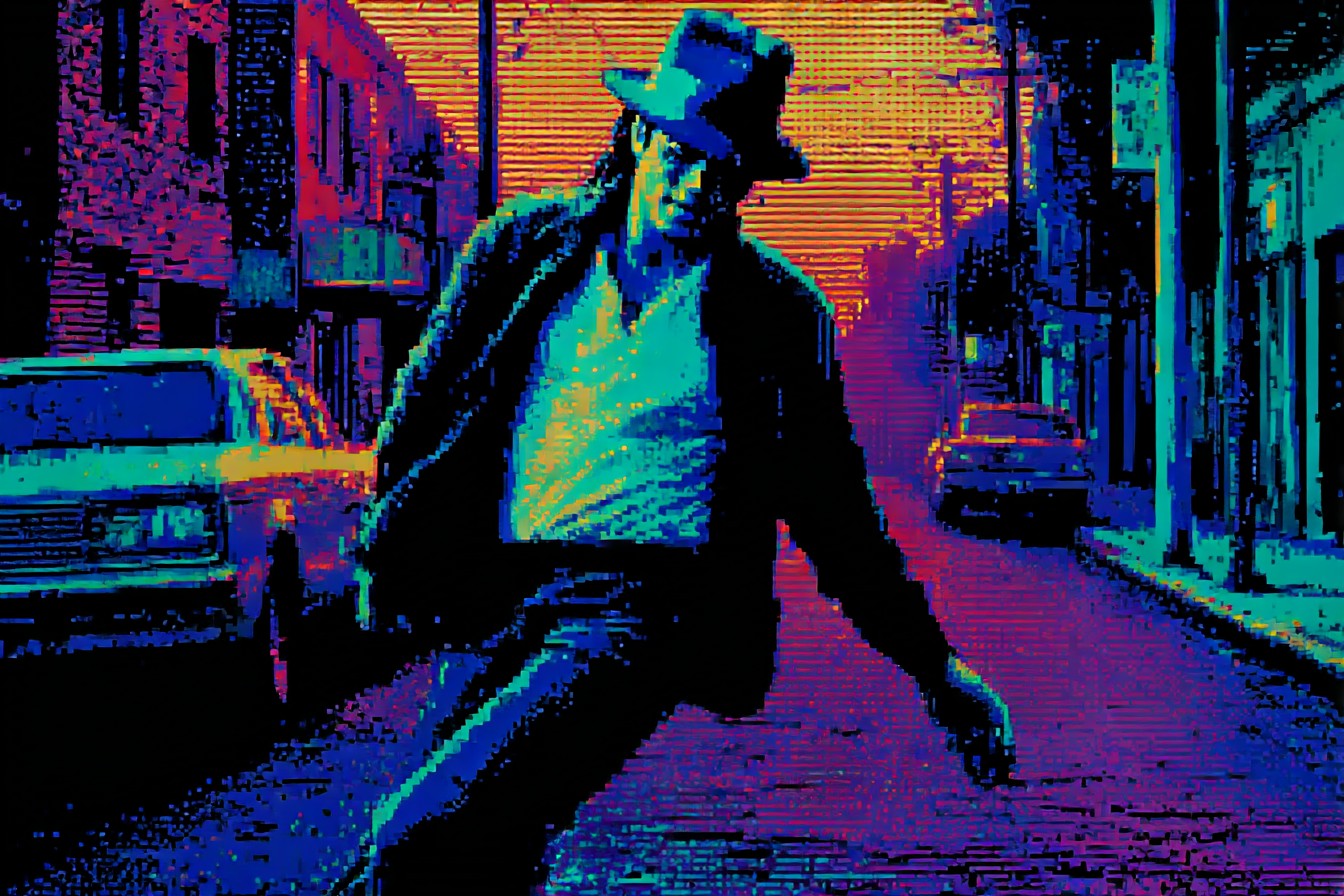
The gameplay itself was brilliant in its simplicity. You'd walk through these detailed stages—each one feeling like a miniature music video—rescuing children who'd been kidnapped by some seriously dodgy villains. But here's the thing: Michael didn't punch or kick like every other beat-em-up character. He danced. His attacks were choreographed dance moves that would freeze enemies in place before they'd collapse. There was something deeply satisfying about watching a room full of thugs get taken down by the moonwalk.
And oh, that moonwalk move. You could do it anytime by holding back and pressing the action button, and Michael would glide backwards across the screen with perfect animation. It served no real gameplay purpose—you couldn't moonwalk your way out of danger or anything—but it didn't matter. You did it constantly because it was Michael Jackson and you could make him moonwalk in your living room whenever you wanted.
The transformation sequences were where the game really showed off. Collect enough shooting stars scattered around each level, and Michael would transform into a robot—a proper giant mech version of himself that could blast enemies with laser beams while "Smooth Criminal" pumped through the Mega Drive's sound chip. These moments felt like pure wish fulfillment, the kind of over-the-top spectacle that only made sense in a world where Michael Jackson was already basically a superhero.
Each stage had its own personality too. The streets felt grimy and dangerous, perfect for the urban thriller vibe of his music videos. The nightclub level—with its flashing lights and multiple floors—captured that late-80s club scene energy. The cemetery stage was genuinely creepy, all gothic atmosphere and lurking shadows. And the spaceship finale? Absolutely barmy in the best possible way, like someone had watched Captain EO one too many times and decided "yes, this needs to be a video game level."
The music made everything click together. This wasn't some generic chiptune interpretation of Jackson's hits—these were proper arrangements that used every trick the Mega Drive's sound hardware could manage. "Billie Jean," "Beat It," "Smooth Criminal," "Another Part of Me"—they all sounded incredible pumping through those FM synthesis channels. I'd sometimes just leave the game running on the title screen because the music was that good.
Dave and I would spend hours trying to find every secret, rescue every child, discover every hidden power-up. The game rewarded exploration in ways that felt natural—you'd spot a suspicious-looking door and think "I bet there's something behind there," and more often than not, you'd be right. Finding one of Michael's famous hats would give you extra points, but more importantly, it felt like discovering a little piece of music history.
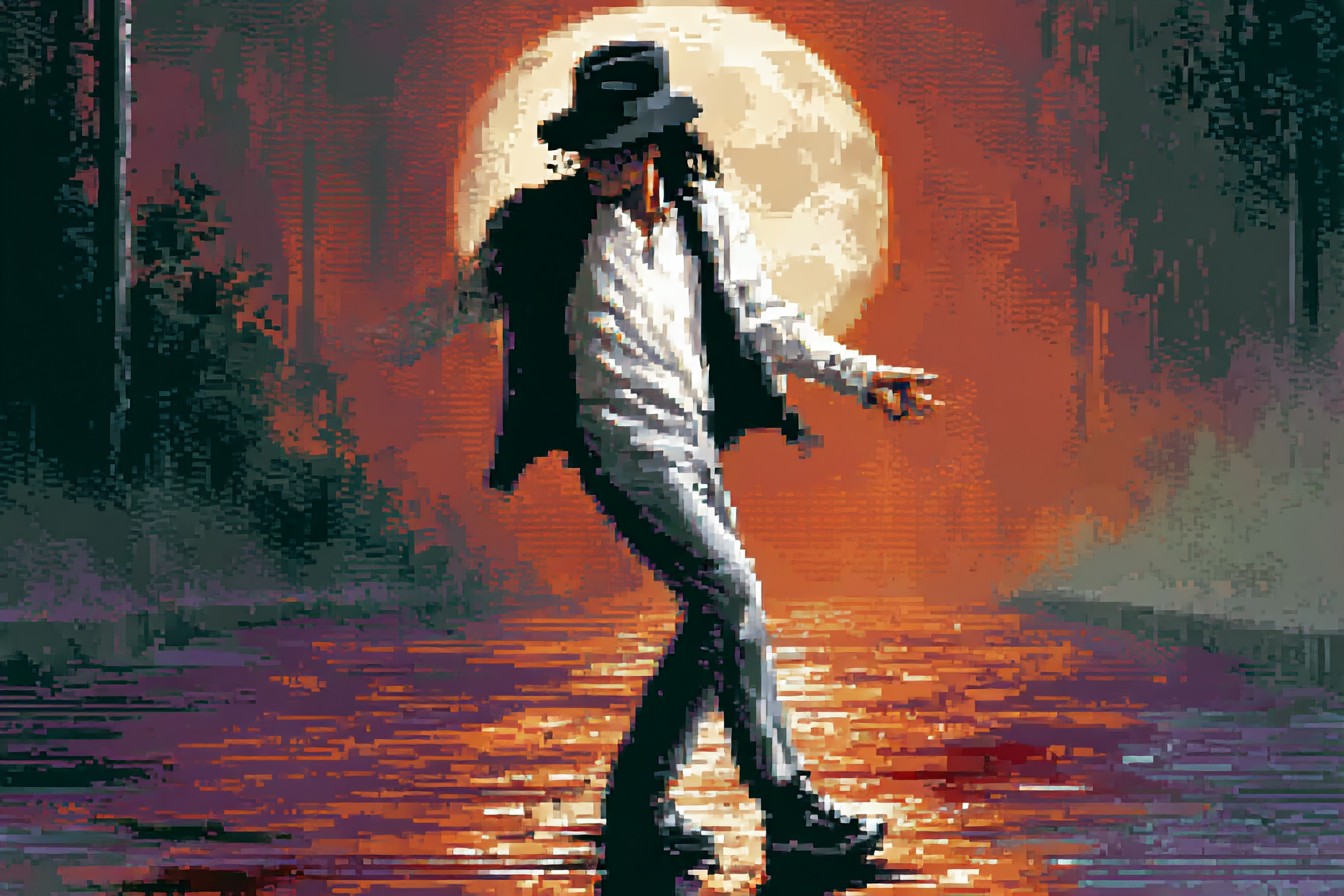
What struck me even then was how the game understood what made Michael Jackson special. It wasn't just the dancing or the music—though both were perfectly captured—it was the showmanship, the sense that everything was a performance. Every enemy defeated, every child rescued, every transformation sequence felt theatrical in the best possible way. You weren't just playing a video game; you were starring in your own Michael Jackson music video.
The two-player mode was chaos in the most wonderful way. Two Michaels on screen at once, both moonwalking and spin-kicking their way through waves of enemies. We'd argue over who got to transform into the robot first, take turns doing the special moves, compete to see who could rescue the most children. Those summer afternoons in Dave's bedroom, CRT warming up the room while we button-mashed our way through level after level—that's what gaming in 1990 felt like.
Looking back now, with my modded Mega Drive hooked up to a proper CRT via RGB SCART, Moonwalker still holds up remarkably well. The sprite work remains gorgeous, the music still sounds fantastic through those original sound chips, and the gameplay has that timeless quality that separates the classics from the curiosities. Sure, it's not the most mechanically complex beat-em-up ever made, but it captures something that more sophisticated games often miss—pure joy.
That's what made Michael Jackson's Moonwalker special. In an era when celebrity games were usually quick cash-grabs trading on famous names, here was something that understood its subject and celebrated it properly. It was peak 90s celebrity gaming magic because it actually got what made the celebrity magical in the first place.