Rummaging through my gaming collection last week, I stumbled across something that made me pause mid-dig through the plastic cases: the Sega Genesis Collection for PS3. Still wrapped in that slightly yellowed cellophane that screams "bought it, meant to play it, life happened." You know how it is. The thing sat there looking at me like an old mate I'd promised to ring but never did.
Here's the weird bit—I'd completely forgotten buying this compilation. Must've been around 2007, probably grabbed it during one of those "I'll have everything Sega ever made, thanks" phases we all go through. The PS3 was still that hulking black monolith that made your entertainment center groan, and Sony was pushing these HD collections like they were selling tickets to the past. Clever, really. Take our dusty childhood memories, slap some upscaling on them, and watch grown adults get misty-eyed in Game.
But here's what actually happened when I cracked it open—something I wasn't expecting at all.
The menu screen hits you with that classic Mega Drive startup sound, except now it's coming through your surround system instead of a tinny TV speaker. Made my spine tingle, honestly. Forty-something games staring back at me, most of which I'd spent pocket money on decades earlier. Sonic, obviously. Streets of Rage trilogy. Golden Axe. All the usual suspects lined up like a greatest hits album you actually want to hear again.
The HD treatment, though… that's where things got interesting. Now, I'm not talking about the full remake nonsense they do nowadays—this was 2007, remember. We're talking about taking those chunky pixels and making them play nice with 1080p displays. Some purists will tell you it's sacrilege, and I get that. I've got a perfectly good CRT upstairs that makes Sonic 2 sing in its original 240p glory. But there's something to be said for being able to read the text in Phantasy Star without squinting like you're trying to spot a ship on the horizon.

The upscaling here isn't trying to reinvent the wheel. It's more like… cleaning your glasses. Everything's sharper, cleaner, but still recognizably the same game that melted your brain in 1991. Streets of Rage 2 looks absolutely gorgeous—those background details pop in ways they never could on composite video through an RF modulator. Remember those? Course you do. We all had that little gray box that made our parents nervous about "messing with the telly."
What really got me, though, was rediscovering games I'd completely forgotten existed. Flicky. Seriously, when did I ever play Flicky? But there it was, this bizarre little arcade port about a bird collecting chicks while dodging cats. Sounds mental when you say it out loud, but it's oddly addictive. Must've been bundled with something back in the day because I have no memory of deliberately choosing to play a game about anxious poultry.
The Phantasy Star games hit different in HD, too. Those were always the thinking person's RPGs on the Mega Drive—less flashy than Final Fantasy, but with this weird sci-fi charm that felt properly alien. Text that was previously an eye test suddenly becomes readable, and you realize how much storytelling you missed because you couldn't be bothered to decipher fuzzy letters on a nineteen-inch Bush television.
But here's where the collection really earns its keep: the extras. Museum pieces, development art, interviews with the blokes who actually made these things. I'm a sucker for this stuff—always have been. Give me a grainy photo of some programmer's desk from 1989 and I'm happy for hours. There's something magical about seeing how Sonic's spines evolved through concept art, or reading about the technical wizardry that made mode 7-style effects work on hardware that definitely wasn't designed for them.
The sound deserves a mention too. That Yamaha FM synthesis chip was always the Mega Drive's secret weapon—that metallic, aggressive sound that made everything feel slightly dangerous. Through a proper audio setup, those Streets of Rage tracks absolutely roar. Put on some decent headphones and crank up the main theme from Golden Axe. Go on, I'll wait. That's what Saturday mornings used to sound like in my house, competing with the Hoover and my mum shouting up the stairs about breakfast getting cold.
Not everything aged gracefully, mind you. Some of these games feel properly ancient now—stiff controls, punishing difficulty, that special brand of 1980s game design that assumed you had infinite time and patience. Altered Beast is still brilliantly ridiculous ("Welcome to your doom!"), but trying to play it seriously in 2024 feels like wearing your dad's suit to a job interview. It fits, technically, but everyone can tell it's not quite right.
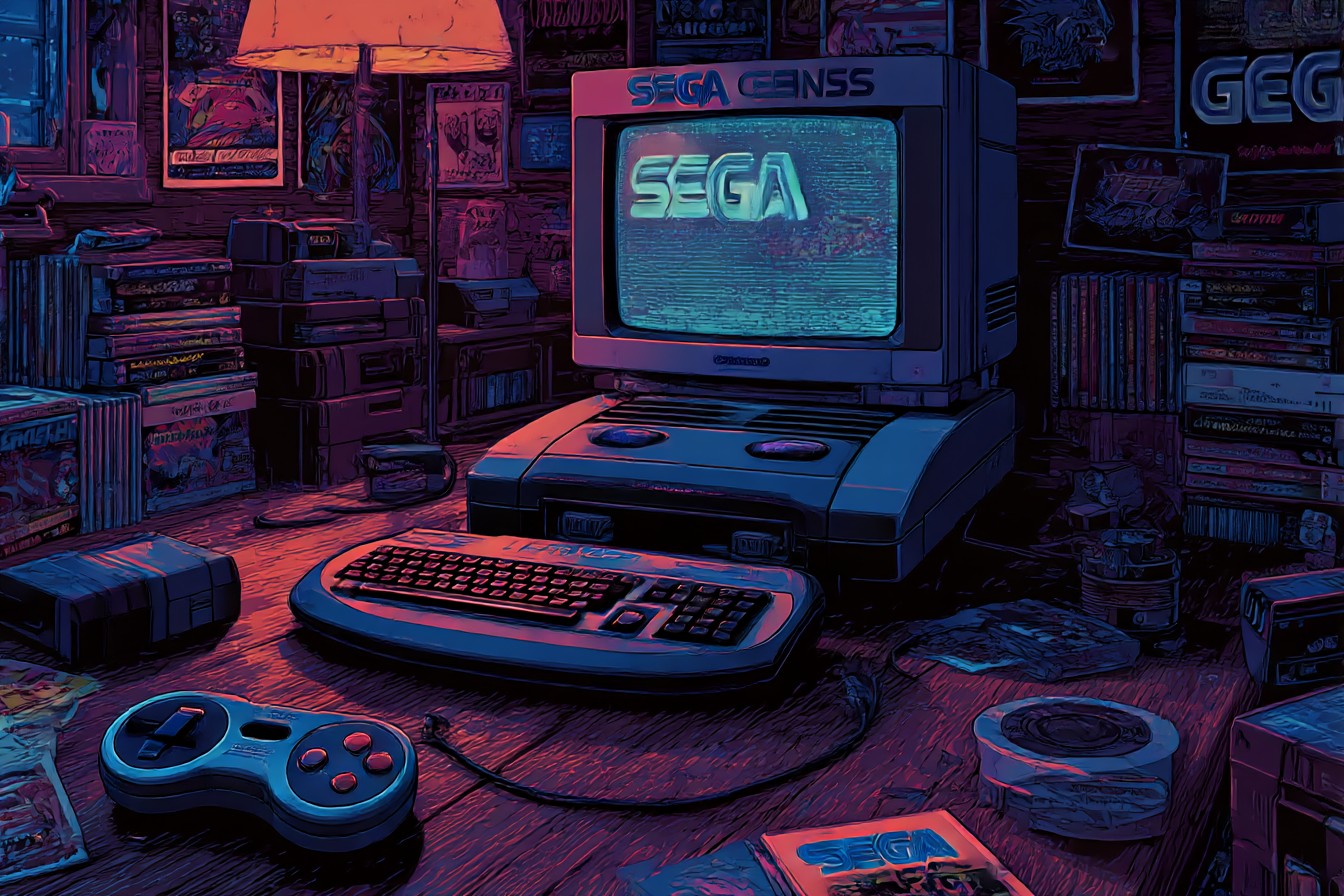
The save state feature is where the modern conveniences really shine. Look, I know it's cheating. I know our ancestors walked uphill both ways through blizzards of game overs. But when you're forty-something with a mortgage and actual responsibilities, sometimes you just want to experience the good bits without losing three hours to the same jumping puzzle. The original games are still there, unmodified, if you want that authentic suffering experience.
What strikes me most about this collection is how it bridges two different approaches to preserving gaming history. On one hand, you've got the purists with their original hardware and RGB SCART cables, maintaining these games exactly as they were. On the other, you've got the accessibility crowd who just want to play the damn things without needing an electronics degree. This sits somewhere in the middle—respectful but practical.
Playing through it now, I'm reminded why these games mattered in the first place. They weren't just products; they were experiences that defined weekends, shaped friendships, and taught us what interactive entertainment could be. The HD treatment doesn't fix their flaws or sand off their rough edges. It just makes them more accessible to modern eyes without losing what made them special.
Would I recommend picking this up if you spot it secondhand? Absolutely. It's time travel with better picture quality.