Christmas 1999 was approaching and my mum had that look—the one where she's holding a wrapped present behind her back and trying not to grin. "Don't shake it," she warned, which naturally made me want to shake it even more. When I finally tore through the wrapping paper on Christmas morning, there it was: Toy Story 2: Buzz Lightyear to the Rescue for the N64, complete with that distinctive yellow cartridge that looked like it belonged in Buzz's utility belt.
I'd already seen the film twice at the cinema—once with my younger sister who spent the entire Jessie flashback sobbing into a bag of Pick 'n' Mix, and once with my mate Dave who kept whispering "that's not how physics works" during the airplane sequence. But holding that cartridge felt different. This wasn't just watching Andy's toys come to life; this was about to be controlling them.
The first thing that hit me when I slotted it into my N64 was the sound design. Traveller's Tales absolutely nailed the Pixar audio palette—every bleeping gadget, every spring-loaded jump, every "To infinity and beyond!" delivered with Tim Allen's perfect comedic timing. My little CRT television suddenly sounded like it was broadcasting directly from Andy's bedroom, complete with that slightly muffled quality that made everything feel authentically toy-like.
But here's what really got me: this wasn't some rushed cash-grab movie tie-in that treats the source material like an afterthought. Someone at Traveller's Tales clearly understood what made Toy Story special. The opening level drops you into Al's Toy Barn, and immediately you're not just Buzz—you're Buzz as imagined by a kid who's seen the movie fifty times and wants to be the space ranger. The controls felt chunky and deliberate, like you were actually manipulating a plastic action figure rather than some weightless video game sprite.
The platforming mechanics struck this brilliant balance between accessible and challenging. Buzz's laser wasn't just for show—it actually mattered for puzzle-solving and combat. His karate chop move had this satisfying crunch to it, and the way he'd plant his feet before delivering a spinning kick made every enemy encounter feel deliberate rather than button-mashy. I remember spending ages just in the first area, experimenting with different combinations of moves and marveling at how Buzz's animations matched his personality from the films.
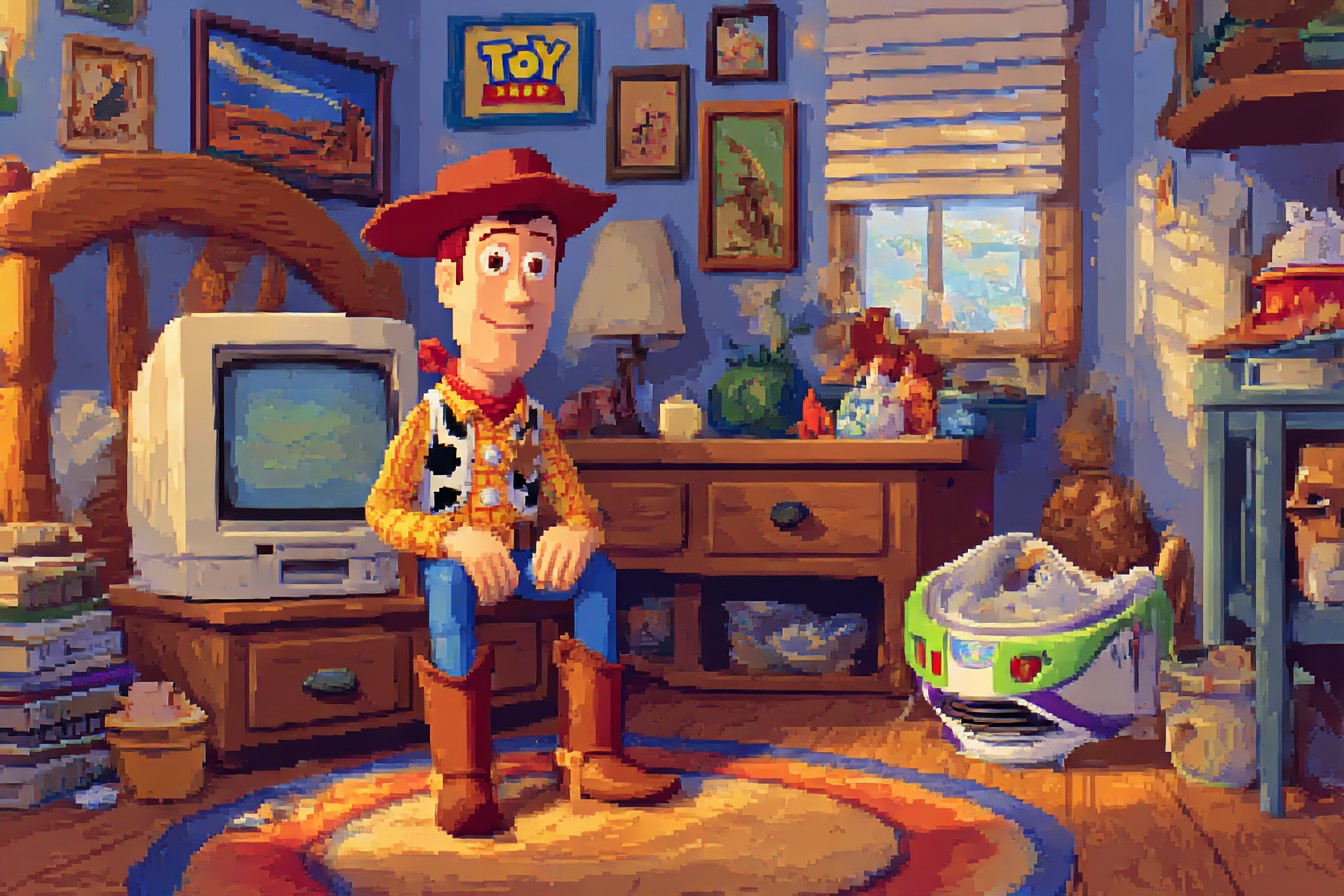
What really impressed me, though, were the boss fights. The showdown with Zurg wasn't just some generic "hit the weak spot three times" affair—it felt like an actual duel between space rangers, complete with dramatic one-liners and genuine tension. I must've died six or seven times before I figured out the timing, and each failure made the eventual victory feel earned rather than inevitable.
The level design borrowed heavily from the film's aesthetic while expanding it in clever ways. Al's apartment felt claustrophobic and maze-like, exactly how a toy would experience a cluttered adult space. The airport levels captured that sense of scale and urgency from the movie's climax, but gave you agency in the chase rather than just making you a passive observer. Even the more abstract levels—like the ones set inside video games or construction sites—felt consistent with the Toy Story universe's logic.
I'll be honest, though—the graphics haven't aged as gracefully as I'd hoped. Those early polygon models look pretty rough on a modern TV, all angular edges and muddy textures. But on my old Trinitron back in '99? They looked like magic. The way Buzz's metallic surfaces caught the light, the satisfying way enemies would explode into collectible tokens—it all felt incredibly sophisticated for a movie tie-in game.
The collect-a-thon elements struck the right balance too. Pizza Planet tokens weren't just scattered randomly throughout levels; they were placed as rewards for exploration and clever thinking. Finding hidden areas felt genuinely rewarding rather than obligatory. I remember one particular secret in the construction site level that took me weeks to discover—tucked away behind what looked like a solid wall but was actually a cleverly disguised passage. When I finally found it, I felt like I'd uncovered some lost treasure.
My sister, who was eight at the time, became obsessed with the game's more puzzle-heavy sections. She'd sit beside me during the more challenging platforming bits, shouting directions and getting genuinely excited when we solved a particularly tricky room. The game had this quality that made backseat gaming feel collaborative rather than annoying—probably because the visual language was so clear and intuitive that even non-players could understand what was happening on screen.
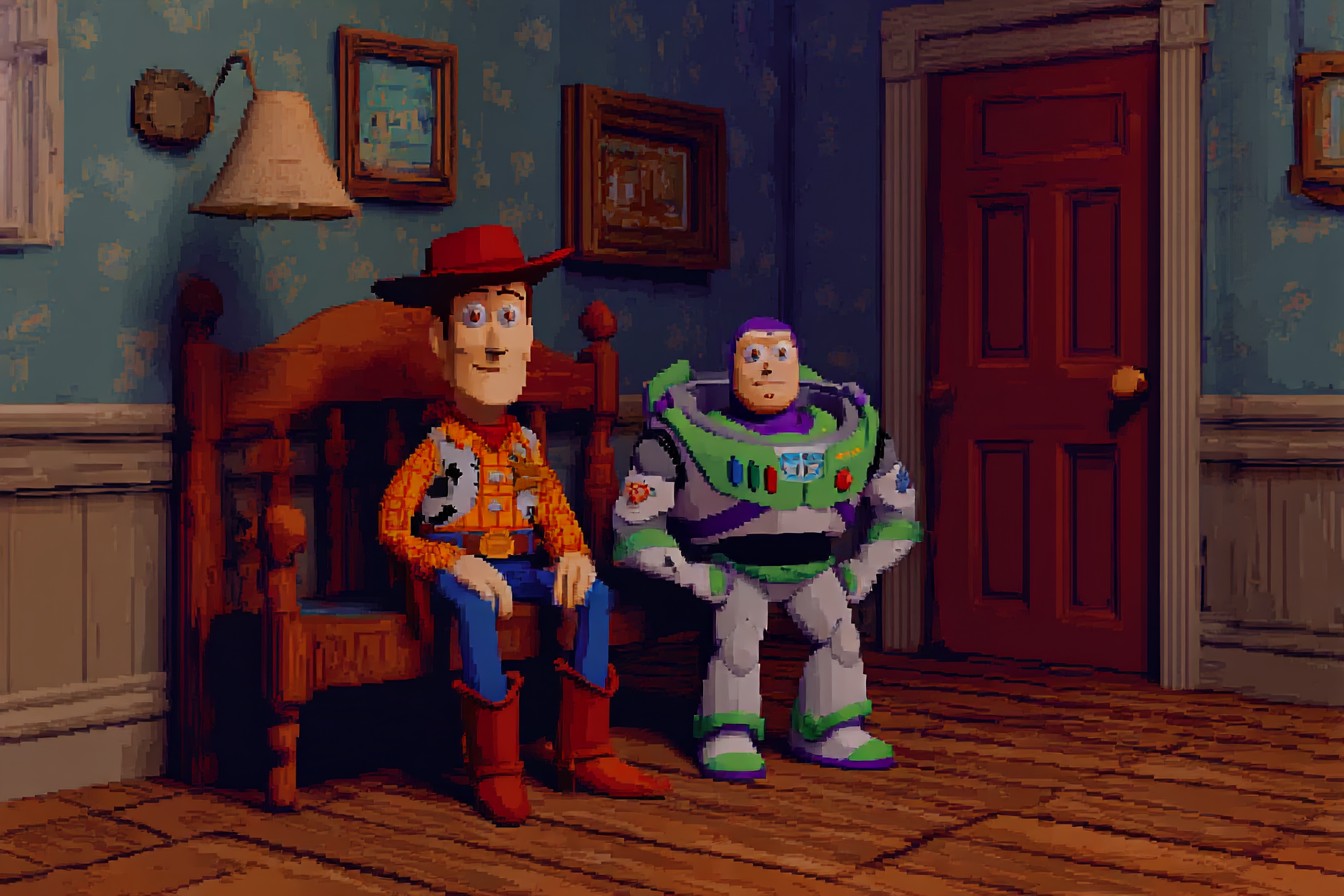
The voice acting deserves special mention. Getting the actual film cast to reprise their roles wasn't guaranteed in 1999—movie tie-in games were still treated as afterthoughts by most studios. But hearing Tim Allen's actual voice coming through my TV speakers, delivering lines that felt consistent with his character rather than generic video game dialogue, added an authenticity that elevated the entire experience. Tom Hanks' Woody only appeared in cutscenes, but even those brief moments felt like deleted scenes from the film rather than obligatory game padding.
Looking back, Toy Story 2: Buzz Lightyear to the Rescue represents something we lost along the way to bigger budgets and more sophisticated technology. It was a game that understood its source material intimately and wasn't embarrassed to be associated with it. The developers clearly watched the films multiple times, absorbed their humor and heart, and then built a gaming experience that complemented rather than competed with the movies.
I still fire it up occasionally on my original N64, usually when I'm feeling nostalgic for a time when movie games could be genuinely good. The load times feel glacial now, and those graphics really do look rough around the edges. But that Christmas morning magic—that sense of stepping into Andy's toy box and becoming part of the story—that's still there, buried beneath the pixels and preserved in that distinctive yellow cartridge that somehow made everything feel more authentic.