There I was, controller gripped like my life depended on it, watching Marc Summers navigate some kid through an obstacle course that looked like someone had thrown paint at a jungle gym and called it television. Double Dare wasn't just a game show—it was basically childhood wish fulfillment wrapped in green slime and broadcast directly into our living rooms every afternoon at half past four.
You know that feeling when you're eight years old and absolutely convinced you could nail every single physical challenge? That was me, perched on the edge of our battered leather sofa, mentally calculating whether our back garden had enough space for a proper obstacle course. Spoiler alert: it didn't, but that never stopped me from trying to recreate those foam-covered climbing walls using garden furniture and my mum's washing line.
The thing about Nickelodeon in the early 90s was that it felt like someone had handed the keys to the asylum to a bunch of hyperactive teenagers with unlimited access to custard and latex paint. Double Dare was the crown jewel of this beautiful chaos. Marc Summers, bless him, managed to look professionally enthusiastic while kids hurled themselves through inflatable tubes and emerged looking like they'd been attacked by a particularly artistic food fight.
I remember rushing home from school, timing my arrival perfectly so I could dump my bag by the door and claim the remote before anyone else noticed. The opening theme alone got my heart racing—that synthesized fanfare that promised thirty minutes of pure, unadulterated mayhem. And the prizes! God, those prizes made my GameBoy look positively prehistoric. We're talking about boom boxes the size of small cars, mountain bikes that gleamed like they'd been carved from solid chrome, and the holy grail of 90s childhood: a Super Nintendo with a stack of games thick enough to use as a doorstop.
The physical challenges were basically American Gladiators for the under-twelve crowd, except instead of steroids and leather pants, we got slip-n-slides covered in what looked suspiciously like diluted washing-up liquid. Watching kids belly-slide through those inflatable obstacle courses while their parents screamed encouragement from the sidelines was peak entertainment. I'm talking about challenges with names like "The Wringer" and "Human Hamster Wheels"—stuff that would probably get you arrested if you tried it in a playground today.
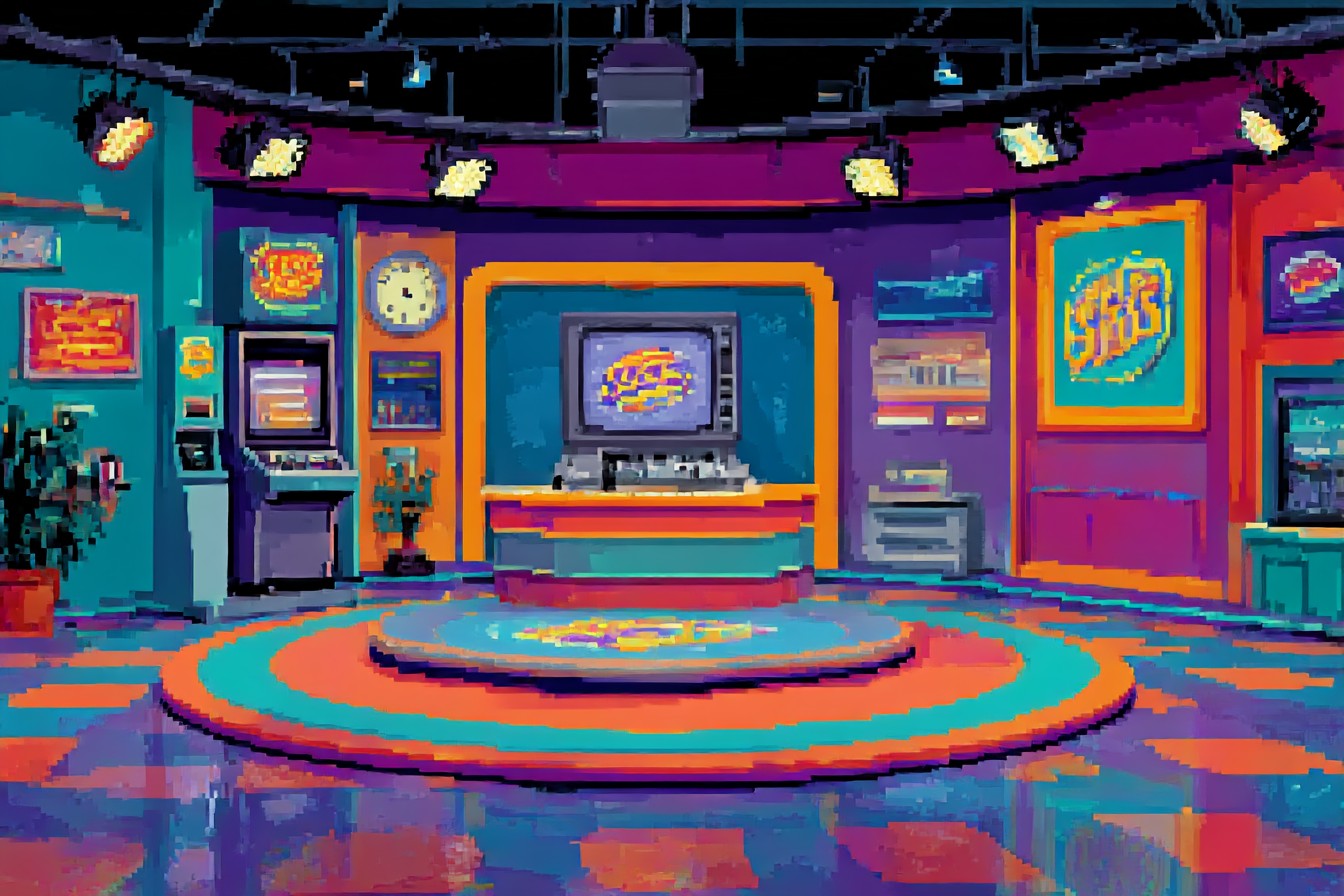
But here's the thing that really got me: the mess. Oh man, the glorious, magnificent mess. Every surface on that set looked like it had been baptized in a rainbow of gunk. Green slime was the star of the show, obviously, but we also got treated to whipped cream mountains, chocolate syrup waterfalls, and what appeared to be industrial quantities of pudding. As a kid whose mum went ballistic if I left a single fingerprint on the coffee table, watching other kids get actively encouraged to dive face-first into vats of goo was basically living the dream by proxy.
The contestants themselves were like little warriors, emerging from each challenge looking like they'd survived some kind of delicious apocalypse. Hair matted with mystery substances, clothes that would never be the same color again, grins wide enough to power a small town. They'd high-five Marc Summers with hands covered in whatever that orange stuff was (seriously, what WAS that orange stuff?), leaving him looking like he'd been attacked by a particularly enthusiastic art class.
And then there were those legendary moments when a challenge went completely off the rails. Kids getting stuck in tubes designed for much smaller humans. The inevitable wipeout on those spinning platforms that sent contestants flying into foam pits like they'd been launched from a medieval catapult. The look of pure panic when someone realized they were about to get dunked in a tank of lime Jell-O. Television gold, every single second of it.
What really sealed the deal for me was how genuinely excited everyone seemed. This wasn't some sanitized, focus-grouped version of fun—this was raw, chaotic joy captured on camera. Kids were laughing, screaming, occasionally crying (but in a good way, mostly), and having what appeared to be the time of their lives while adults in suits watched from behind plexiglass barriers like they were observing some kind of fascinating anthropological experiment.
I spent countless afternoons sketching elaborate obstacle course designs in my school notebooks, complete with detailed diagrams of slime distribution systems and foam pit specifications. My poor parents endured weeks of me begging to convert our garage into a proper training facility, complete with rope swings and inflatable barriers. They were remarkably patient about my repeated requests to fill the paddling pool with green slime "just to see what it feels like."
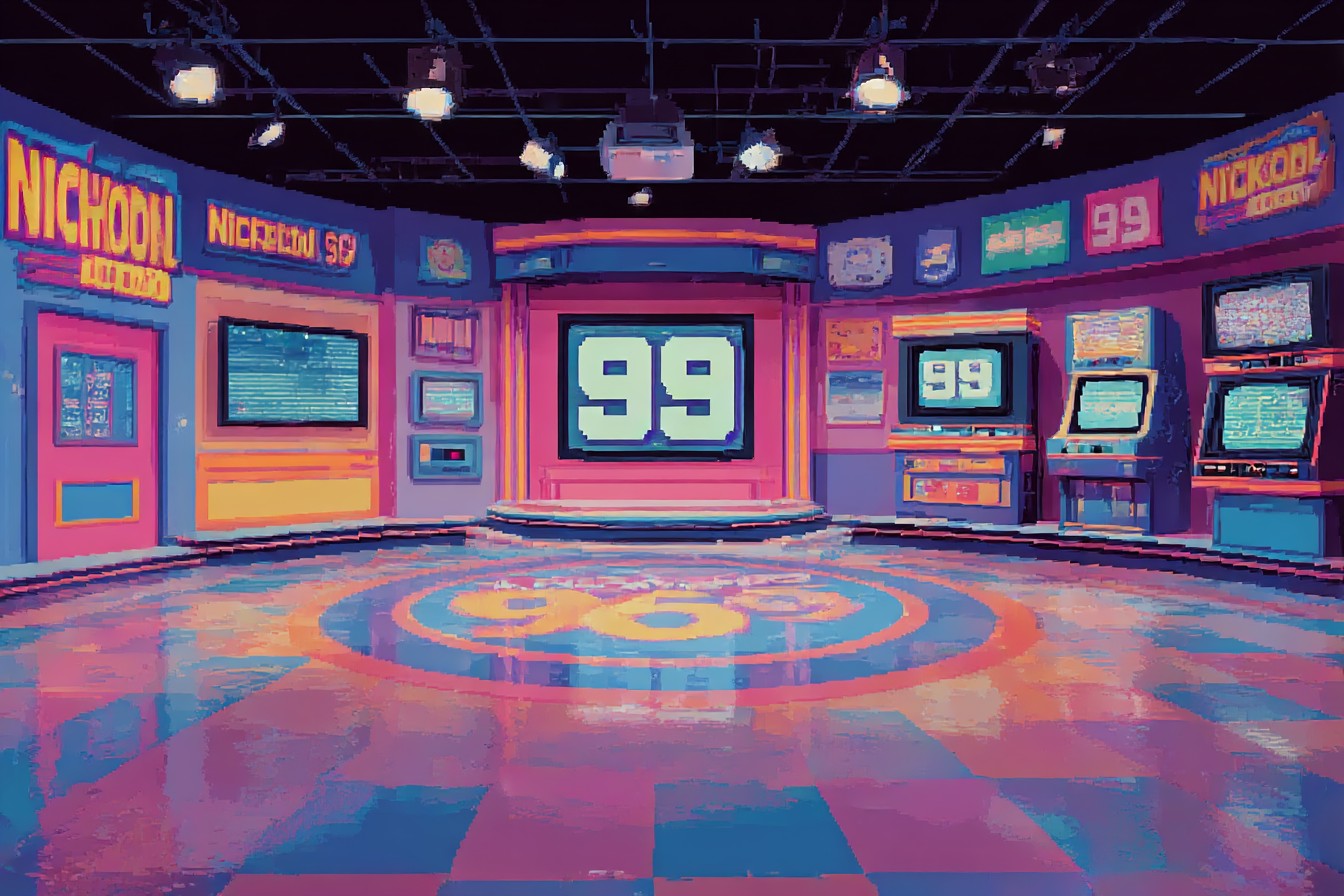
The show made mess acceptable—no, it made mess celebratory. For thirty minutes every weekday, chaos was king and getting dirty was the whole point. It was revolutionary for a generation of kids who'd been taught that clean clothes and tidy hair were somehow morally superior to having actual fun.
Looking back now, with my own kid eyeing the living room furniture like potential climbing apparatus, I understand why Double Dare hit so hard. It wasn't just about the games or the prizes or even the legendary slime budget. It was about permission—permission to be loud, messy, competitive, and completely ridiculous without anyone telling you to settle down or clean up afterward.
Those kids on screen weren't just winning prizes; they were living out every playground fantasy we'd ever had. They were proof that sometimes, just sometimes, the adults would step back and let childhood be properly chaotic. And for a brief, beautiful moment every afternoon, we got to live vicariously through their slime-covered adventures, planning our own eventual triumph on that magical, messy stage that felt like the center of the universe.
Pure television magic, soaked in green goo and served with a side of pure, unfiltered joy.