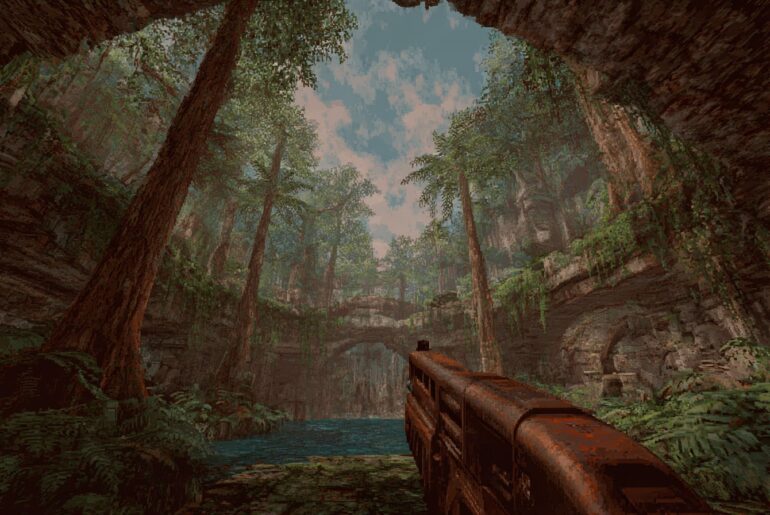
You know what? I've been thinking about that dusty corner of my game collection again. There's this one cart that sits between my beloved Ocarina of Time and the slightly warped copy of GoldenEye—Quest 64. Funny thing is, most people either don't remember it at all or they remember it as "that weird RPG that wasn't very good." But here's the thing… they're wrong.
I picked up Quest 64 in the summer of '98, right after my birthday when I'd managed to negotiate a trip to Electronics Boutique with my dad. The game was sitting there on the shelf, looking lonely next to all the flashier titles. The box art wasn't much to write home about—some mystical-looking kid with a staff standing in what looked like generic fantasy landscape number forty-seven. But something about it called to me. Maybe it was the promise of being the N64's first proper RPG, or maybe I was just desperate for something different after months of platformers and shooters.
The clerk at EB looked at me like I was making a mistake. "You sure you don't want Mario Kart 64 instead?" No, mate. I wanted magic. I wanted adventure. I wanted something that would last longer than a weekend rental.
First thing that hit me when I fired it up was how… quiet it felt. Not quiet as in no sound, but quiet like a library before opening hours. The music wasn't bombastic orchestral nonsense or chiptune ear-worms. It was gentle, contemplative stuff that made you lean back in your chair rather than forward. The opening sequence with Brian—your generic young mage protagonist—felt like stepping into a watercolor painting that someone had accidentally brought to life.
Now, let's talk about that magic system, because this is where Quest 64 gets properly interesting. Most RPGs at the time gave you a spell list and said "go nuts." Quest 64 said "what if magic was more like… learning to play an instrument?" Your spells weren't just numbers in a menu—they were tied to four elements, and you had to actually understand how they worked together. Water wasn't just for healing; it could create barriers, boost other spells, or even change the terrain. Fire wasn't just damage; it was light sources, environmental puzzles, tool creation.
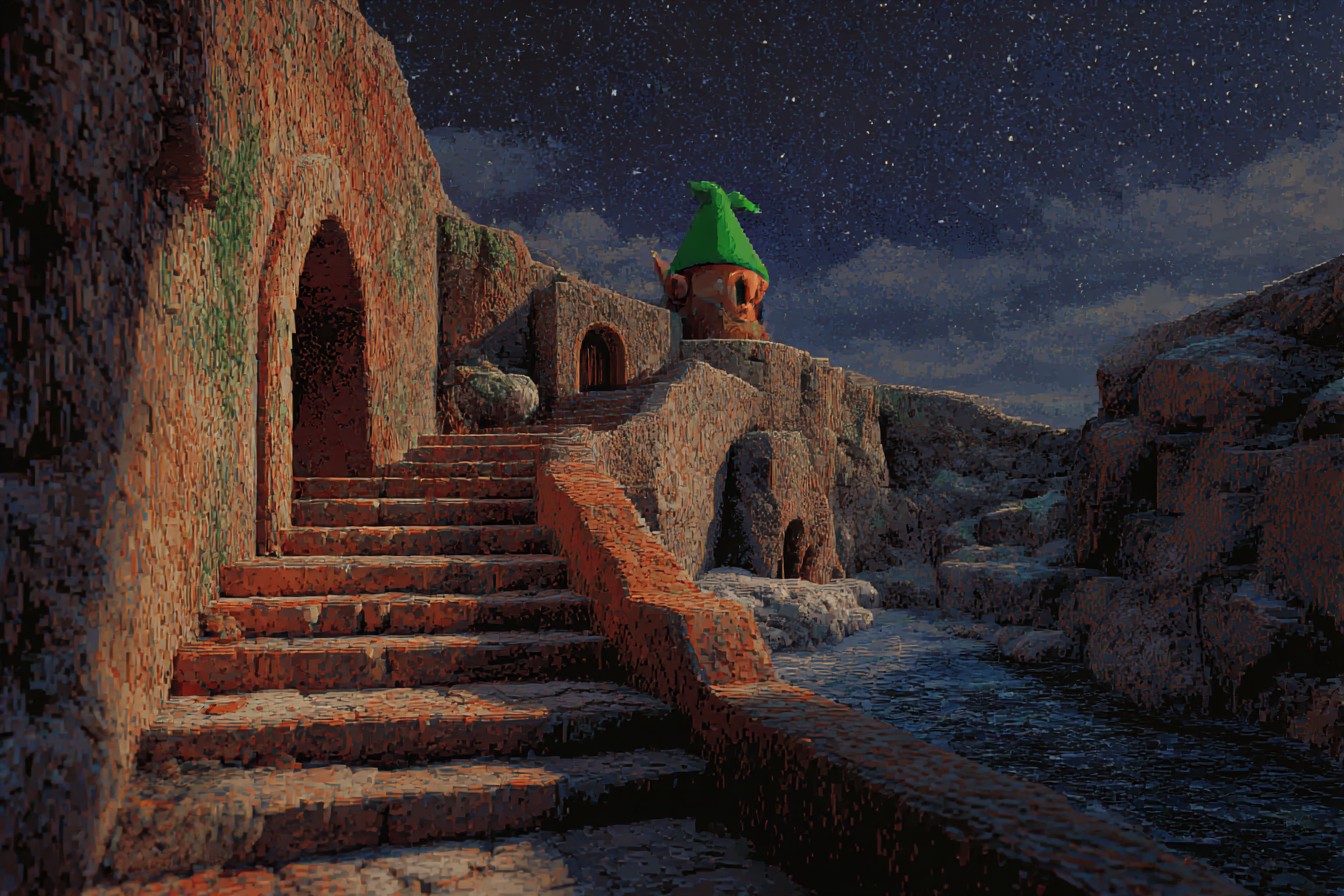
I spent hours just experimenting. Combining earth magic to raise platforms, then using wind to knock enemies off them. Creating water barriers and then using lightning to electrify them. The game never explicitly told you these combinations existed—you had to discover them yourself, like a proper wizard's apprentice mucking about in the tower when the master's away.
The exploration was something else entirely. This wasn't the linear dungeon-crawling of your typical JRPG, nor was it the overwhelming open world that would become common later. Ireland—yes, the game was set in a fantasy version of Ireland—felt like a real place you could get lost in. Rolling green hills, ancient stone circles, misty forests that actually felt mysterious rather than just looking the part.
I remember spending an entire Saturday afternoon just wandering around the first area, not trying to progress the story, just… existing in that space. The draw distance was properly impressive for '98, and the way the landscape rolled away into the horizon made exploration feel meaningful. You weren't just moving between set pieces; you were traveling through a coherent world.
The battle system threw another curveball. Real-time combat in an RPG was still pretty rare back then, especially on consoles. Most of us were used to turn-based affairs where you selected "Attack" from a menu and watched animations play out. Quest 64 said "nah, you're going to run around and cast spells like you're actually in a wizard duel." It was clunky, sure—the targeting could be finicky, and the camera sometimes decided to show you the inside of a tree rather than the monster you were fighting—but when it clicked, it felt revolutionary.
There was this one encounter, maybe three hours in, where I was facing down a group of those creepy tree-monsters near some ancient ruins. I'd been playing conservatively up to that point, treating it like every other RPG I'd ever touched. But suddenly I found myself circle-straffing like it was GoldenEye, firing off earth spikes while backing toward a cliff edge, then using wind magic to knock the last enemy into the void. It felt like I'd discovered something the developers had hidden there intentionally, waiting for players to figure it out.
The problem—and I'll be honest about this—was that Quest 64 was rough around the edges. The frame rate chugged in busy areas. The story was paper-thin, even by N64 standards. Some of the voice acting sounded like it was recorded in someone's bathroom. The inventory system was barely there, which meant you spent most of your time managing spell points rather than collecting cool gear.
But you know what? None of that mattered when you were standing on a hilltop at virtual sunset, watching the shadows stretch across the countryside while that haunting soundtrack played. It didn't matter when you discovered a hidden grove with a puzzle that required you to think about magic as a creative force rather than just a damage dealer. It didn't matter when you realized you'd been playing for four hours straight and hadn't even noticed because you were too busy being a proper wizard.
I think Quest 64's biggest crime was being ahead of its time. It came out in an era when RPGs meant Final Fantasy VII—cinematic storytelling, flashy summons, love triangles that spawned a thousand forum arguments. Quest 64 was more like… if someone had made a game about being Gandalf during his gap year, wandering Middle-earth and learning magic through trial and error rather than saving the world from ultimate evil.
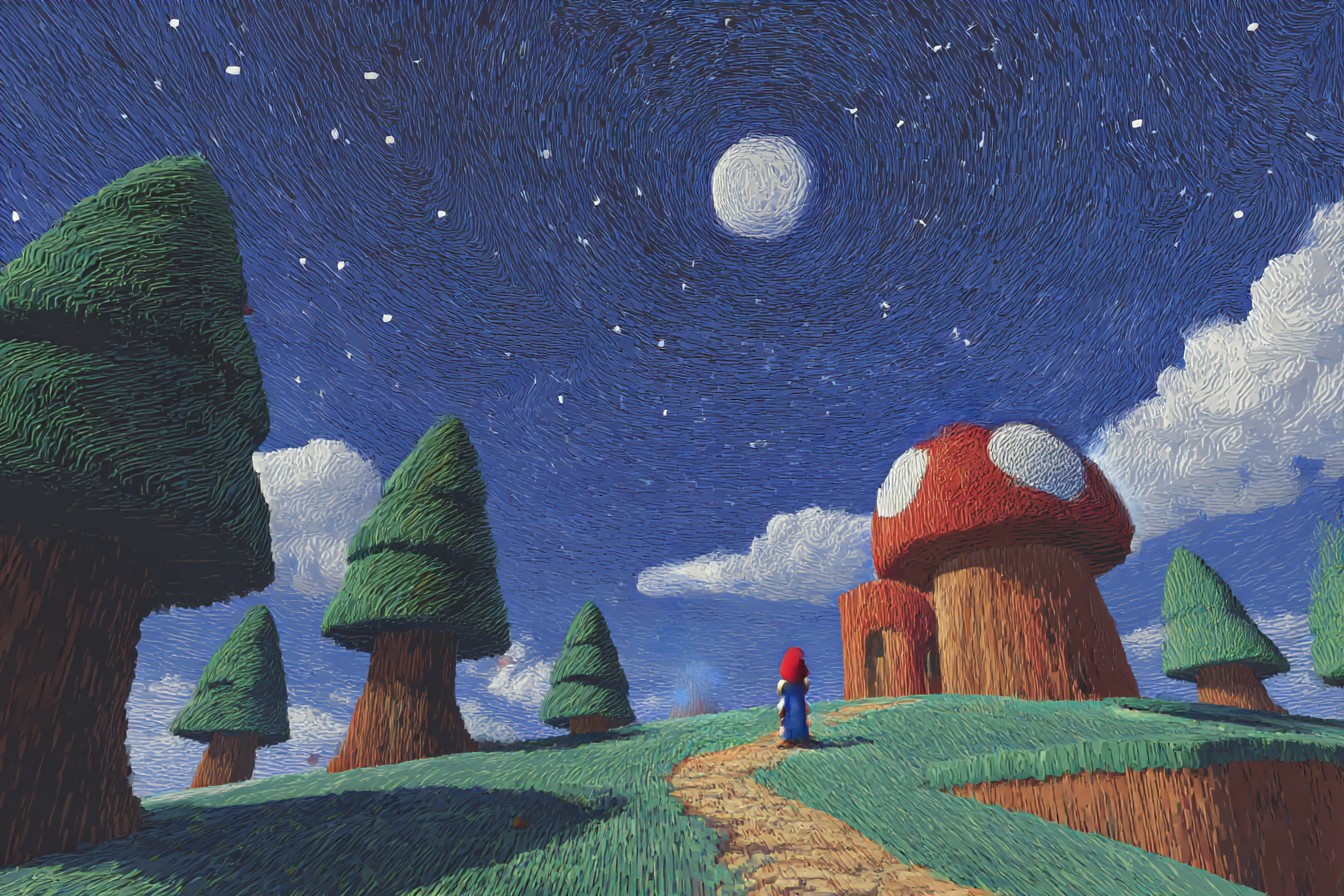
The magic system that felt so unique in '98? That became the foundation for countless indie RPGs decades later. The real-time combat that felt clunky? Elder Scrolls refined it into an empire. The emphasis on exploration over narrative? Half the open-world games of the 2010s owe Quest 64 a quiet thank you.
I still fire it up sometimes, usually when I want something that feels like a warm cup of tea rather than an energy drink. The graphics have aged better than you'd expect—that soft, painterly style works in the game's favor, unlike some of the more "realistic" attempts from the same era. And that magic system… honestly, it's still more creative than half the spell-slinging in modern games.
Quest 64 deserved better. It deserved reviewers who understood what it was trying to do rather than judging it for what it wasn't. It deserved a sequel that could iron out the rough bits while keeping the gentle soul. Most of all, it deserved players who were willing to slow down and appreciate magic as discovery rather than just another way to make numbers go up.
So yeah, next time someone tells you the N64 didn't have good RPGs, remind them about the quiet little game that let you be a wizard in the Irish countryside. Some of us remember.