You know what's funny? I was elbow-deep in my spare parts drawer last Tuesday, hunting for a replacement fuse, when I caught sight of my old N64 power brick sitting there like a grey plastic tombstone. Thing weighs more than some modern laptops, doesn't it? That got me thinking about something I've been meaning to tackle properly—the whole power supply situation with Nintendo's 64-bit marvel, and why getting it wrong can turn your beloved console into an expensive paperweight.
The N64's power requirements aren't rocket science, but they're specific enough that bodging it will bite you. Hard. The official adapter puts out 3.3V and 12V DC, with the main rail pulling around 1A under normal load. When you're running something memory-intensive like Perfect Dark with the Expansion Pak, that current draw can spike higher. I learned this the expensive way when I tried powering a mate's console with a "universal" adapter from a car boot sale. Spoiler alert: universal doesn't mean compatible, and the magic smoke that escaped his motherboard wasn't coming back.
Regional differences make this even more of a minefield. PAL N64s run on different mains voltage than NTSC ones, obviously, but the DC output specs are identical across regions. The transformer inside does the heavy lifting, converting your local mains to those specific voltages the console expects. But here's where it gets interesting—and by interesting, I mean potentially wallet-emptying. Japanese power bricks are wired differently than European ones, not just in the plug shape but in the internal circuitry. I've seen people fry perfectly good consoles by assuming a Famicom 64 adapter would work fine with a UK machine just because the voltage looked right on the label.
The power connector itself is another story entirely. That chunky round plug looks robust, but it's surprisingly finicky about contact pressure. I've lost count of how many times I've diagnosed "dead" consoles that just needed the power jack cleaned or slightly bent back into shape. The spring contacts inside wear down over time, especially if you're the type who yanks cables instead of unplugging them properly. Guilty as charged on that one—my childhood N64 still bears the scars of enthusiastic cable management.
Heat becomes a real problem with aging power supplies. Those big transformer bricks generate serious warmth even when they're working perfectly, and after twenty-five years, the internal components start degrading. Capacitors dry out, thermal paste hardens, and voltage regulation gets sloppy. I've measured output from supposedly "good" original adapters that were drifting by half a volt or more under load. That might not sound like much, but it's enough to cause random resets, especially when the CPU is working hard during complex 3D scenes.
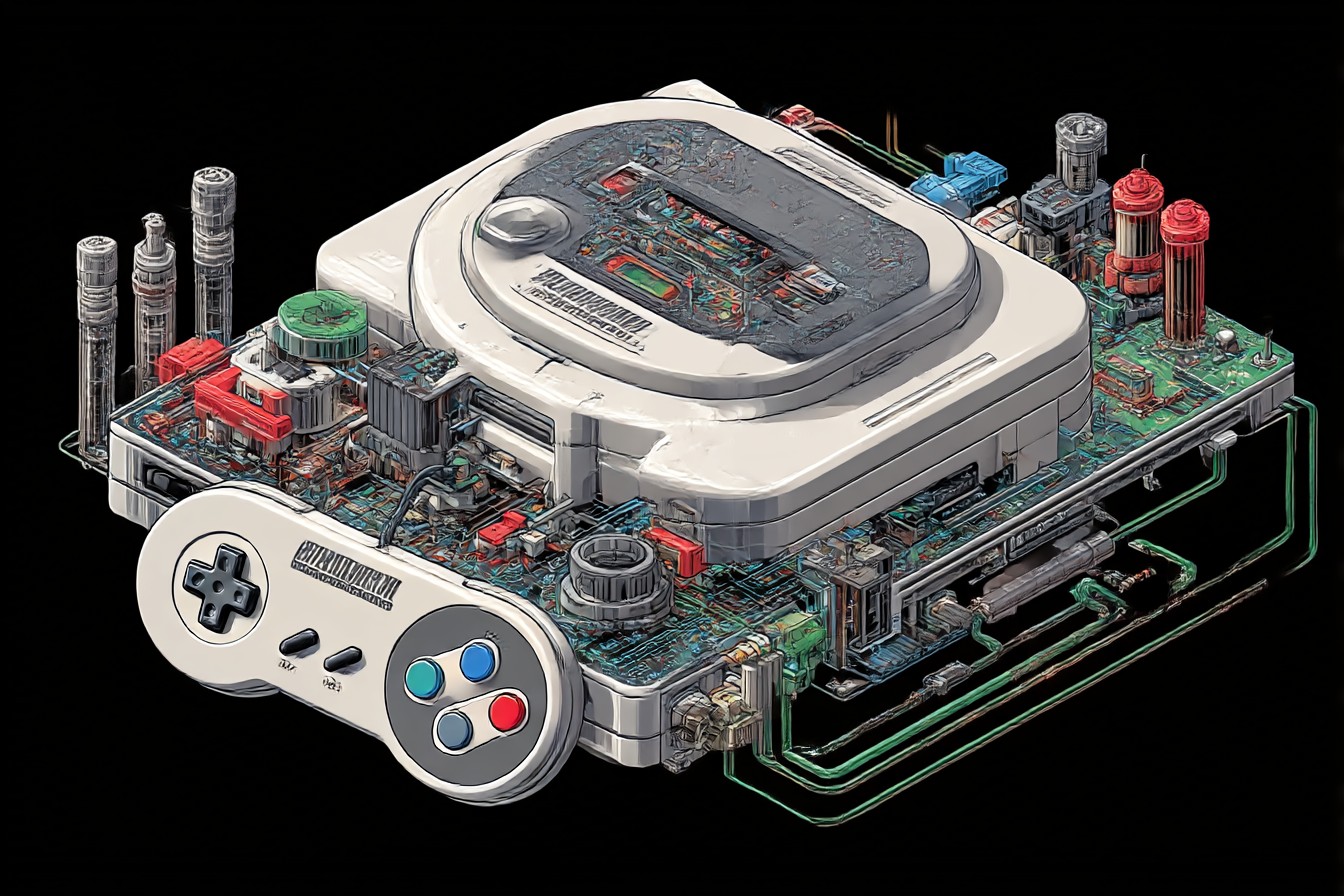
Replacement options are a proper minefield these days. Generic third-party adapters flood the market, most of them absolute rubbish with poor regulation and nonexistent filtering. The cheap ones I've tested often put out the right voltage at no load but sag dramatically when the console actually draws current. Even worse, they tend to inject noise back into the power rails, which shows up as video interference or audio buzzing. Trust me, there's nothing quite like hearing mains hum through your TV speakers while Link is trying to play Zelda's Lullaby.
The smart money goes on modern switching power supplies designed specifically for retro consoles. Companies like RetroGaming Cables make adapters that are actually engineered rather than just cobbled together from whatever components were cheapest that week. They cost more than the generic ones, sure, but they include proper filtering, over-current protection, and voltage regulation that actually works. I've been using one of their N64 adapters for about three years now, and it's rock solid—no voltage droop, no interference, just clean power delivery that keeps my console happy.
For the more technically inclined, building your own regulated supply isn't that complex. You need a transformer to step down mains voltage, a bridge rectifier, some hefty filter caps, and voltage regulators for the 3.3V and 12V rails. Linear regulators work fine for this application since the N64 doesn't need switching-speed response, and they're quieter than switching designs. I built one years ago using LM317 and LM7812 regulators—total parts cost was maybe fifteen quid, and it's still running strong. The trick is getting the thermal management right; those regulators need proper heatsinks or they'll shut down under load.
Here's something most people don't consider: the power supply impacts video quality in ways that aren't immediately obvious. Ripple on the 12V rail can cause horizontal bars in the video output, while poor 3.3V regulation affects the digital processing and can introduce glitches or color shifts. I spent weeks chasing what I thought was a dying video encoder chip, only to discover the problem was voltage sag from a knackered power adapter. Swapped in a decent supply, problem vanished.
Maintenance matters more than most people realize. Keep those vents clear—power bricks need airflow just like the console itself. I've seen adapters fail purely from dust buildup causing overheating. If your adapter feels hot enough to cook an egg, it's working too hard and probably on its way out. Also, check the cable regularly. The DC cord takes more abuse than you'd think, and internal breaks can cause intermittent power that'll drive you mad trying to diagnose.
The Expansion Pak situation deserves special mention. That extra RAM doesn't just sit there looking pretty—it draws additional current, enough to stress marginal power supplies into failure. If your console runs fine with standard games but crashes with Expansion Pak titles, suspect the power supply before you blame the RAM module. I keep a known-good adapter specifically for testing this scenario, because it's such a common failure mode.
One last thing—never, ever try to repair a switched-mode power supply unless you really know what you're doing. The primary side carries mains voltage even when unplugged, thanks to those big filter capacitors. They can hold enough charge to spoil your entire day, possibly permanently. Linear supplies are safer to work on, but even then, respect the voltages involved.
The N64 deserves clean, stable power. Your childhood memories depend on it, and so does that increasingly expensive game collection. Invest in proper power delivery, and your console will keep running long enough for your kids to discover the joy of four-player Mario Kart arguments.