Joe’s hill to die on: Streets of Rage 3 is better than Streets of Rage 2. Yes, I know this is controversial. Yes, I know Carl disagrees. Yes, I know most people prefer the second game’s accessibility. But Streets of Rage 3’s additional complexity, branching paths, and combat depth make it the superior experience for players willing to invest the time to master its systems. Fight me.
Released in March 1994, Streets of Rage 3 (Bare Knuckle III in Japan) pushed the series toward technical complexity and difficulty that polarized the fanbase. The Western version increased difficulty significantly beyond the Japanese release, creating a brutally challenging game that demanded understanding every combat mechanic. This wasn’t casual fun – this was Streets of Rage for players who’d mastered the second game and wanted the next level.
Combat Depth That Rewarded Mastery
The expanded moveset gave every character new options beyond Streets of Rage 2’s foundation. Running attacks gained variations based on button timing. Special moves had enhanced versions with different inputs. The combat system rewarded experimentation and practice with tech that casual players never discovered.
The juggling mechanics allowed skilled players to keep enemies helpless through precise combo timing. Certain attacks launched foes into the air where follow-up hits could connect before they landed. Learning these combos transformed boss fights and difficult encounters from wars of attrition into displays of technical skill.
The defensive options expanded significantly. Dashing provided invincibility frames for dodging attacks. Perfect positioning allowed attacks to whiff while setting up counterattacks. The depth beneath the button-mashing surface separated players who treated it like Streets of Rage 2 from those who mastered the new systems.
Zan the robot added completely different gameplay through his mechanical design. His laser attacks had range no other character matched. His grab animations were unique. Playing as Zan required completely different strategies and approaches. This wasn’t just character variety for aesthetics – this was genuinely different gameplay.
Dr. Zan (accessible through codes or specific conditions) brought even more variety. The unlockable characters weren’t just cosmetic additions – they had unique movesets requiring different mastery. The hidden depth kept dedicated players discovering new approaches years after release.
Branching Paths That Created Replayability
The route system based on performance added consequences to player skill. Rush through levels taking damage and you’d get the bad path. Fight efficiently and you’d access better routes with different stages and bosses. This created incentive beyond just completing the game – playing well unlocked content.
The multiple endings depended on which paths you took through the branching structure. You couldn’t see everything in one playthrough. The replayability came from genuine content variation, not just difficulty adjustments or minor story differences. This was ambitious design for a beat-em-up.
The alternate Stage 6 variations showed completely different environments and challenges based on previous performance. The commitment to creating distinct content rather than palette-swapped versions demonstrated development resources devoted to rewarding skilled play.
Why the Difficulty Was So Controversial
The Western version’s difficulty increase beyond the Japanese Bare Knuckle III created one of the most punishing beat-em-ups on Mega Drive. Enemies dealt more damage, had more health, appeared in larger groups, and behaved more aggressively. What was challenging in Japan became brutal in Western releases.
The decision to increase difficulty presumably aimed at preventing rental players from completing the game too quickly. But the implementation made Streets of Rage 3 inaccessible to players who enjoyed Streets of Rage 2’s more balanced challenge. The difficulty spike alienated the casual audience.
For players who persevered, the harsh difficulty forced mastery of every combat system. You couldn’t button-mash through Streets of Rage 3 on normal difficulty – you had to learn combos, understand enemy patterns, manage resources carefully. The game demanded respect.
The Japanese Bare Knuckle III version offers more reasonable difficulty while maintaining the expanded mechanics. For players wanting the improved combat without the punishing Western difficulty, the Japanese release provides the better experience. The localization changes proved controversial for good reason.
Graphics That Pushed Mega Drive Limits
The sprite work showed evolution from Streets of Rage 2. Character animations had more frames, enemy designs featured greater variety, and boss sprites demonstrated impressive detail. The visual quality maintained the series’ high standards while showing technical improvement.
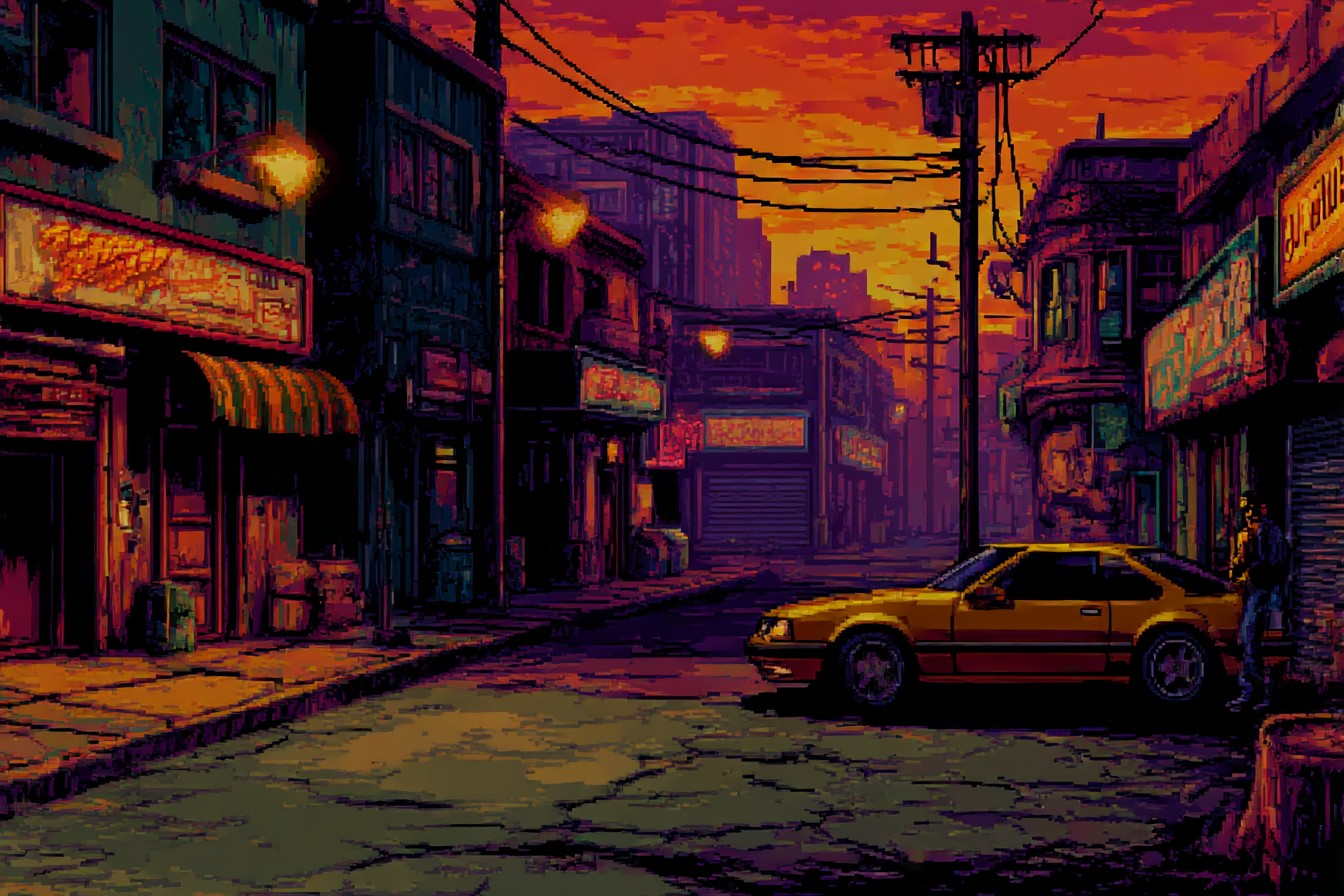
The environmental effects added atmosphere beyond basic level backgrounds. The rain effects in later stages, the fire and explosions, the destructible objects – everything contributed to environments feeling alive rather than static. The attention to environmental detail matched character animation quality.
The color palette used Mega Drive’s capabilities to create distinctive atmospheres per stage. The neon-lit city streets, the industrial complexes, the underground facilities – each area had visual identity through smart color choices. The art direction worked with hardware limitations rather than fighting against them.
Yuzo Koshiro’s Controversial Soundtrack Direction
Koshiro shifted toward techno and rave influences that divided the fanbase. Where Streets of Rage 2’s soundtrack had broad appeal through house and dance music, Streets of Rage 3 embraced harder techno that some players found grating. The musical evolution matched the gameplay’s increased complexity but risked alienating fans of the previous soundtrack.
The compositions were technically impressive and innovative for game audio. The aggressive beats and harsh synths pushed the Mega Drive’s audio capabilities in new directions. For players who appreciated experimental electronic music, the soundtrack was brilliant. For those wanting Streets of Rage 2’s more accessible sound, it was disappointing.
The boss themes maintained tension and energy without overwhelming the action. The ending theme delivered appropriate emotional weight. The overall soundtrack quality was high even if the stylistic direction proved divisive. This was Koshiro taking creative risks rather than playing it safe.
Why Streets of Rage 3 Deserves Reconsideration
The game’s reputation suffers from the Western version’s excessive difficulty and soundtrack polarization. But beneath those controversial elements was the deepest, most mechanically sophisticated beat-em-up on Mega Drive. The combat system rewarded skill expression and mastery in ways Streets of Rage 2 never attempted.
The branching paths and multiple endings added replay value beyond just increasing difficulty levels. You could complete Streets of Rage 3 multiple times and see genuinely different content based on performance. This ambition in a genre typically focused on linear progression showed creative evolution.
For players willing to invest time learning the systems and accept the harsh difficulty, Streets of Rage 3 revealed incredible depth. The combat mastery possible through understanding every mechanic created skill ceiling that dedicated players could pursue indefinitely. This was beat-em-up design for hardcore fans.
The Japanese Version Difference
Bare Knuckle III’s more balanced difficulty makes it the recommended version for most players. The mechanical depth remains without the punishing Western difficulty that turns many players away. The visual changes and alternate content in the Japanese version also add interest for series fans.
The story differences between versions show localization choices that simplified the Japanese narrative. Bare Knuckle III had more elaborate plot with different character motivations. The Western simplification removed some context but didn’t fundamentally change the gameplay experience.
The multiple version existence means players can choose their preferred difficulty and presentation. This flexibility allows appreciation of the combat depth without forcing everyone to endure the Western version’s brutal challenge.
Modern Access and Community
Streets of Rage 3 appears on various Sega compilations with mixed reception. The controversial elements that polarized audiences in 1994 continue dividing players decades later. Some appreciate the ambition and depth. Others prefer Streets of Rage 2’s accessibility.
The speedrunning community values Streets of Rage 3 for its technical depth and routing options. The branching paths create optimization challenges. The expanded moveset allows for sophisticated execution. The game rewards mastery in ways the second game doesn’t match.
The modding community has created balance patches and difficulty adjustments that attempt to find middle ground between Japanese and Western versions. These fan modifications show ongoing engagement with the game’s systems and desire to address historical controversial choices.
The Verdict
Streets of Rage 3 is the most mechanically sophisticated beat-em-up on Mega Drive, with combat depth and branching structure that rewarded mastery. The Western difficulty and soundtrack polarization hurt its reputation, but the underlying game showed ambitious evolution beyond Streets of Rage 2’s formula.
Is it better than Streets of Rage 2? For dedicated players willing to master the systems, yes. For casual players wanting accessible fun, probably not. The comparison depends entirely on what you value in beat-em-up design.
This deserved better reception than it received. The controversial localization choices and stylistic risks overshadowed genuine mechanical improvements and ambitious design. Streets of Rage 3 represented the series evolving beyond its roots – whether that evolution was positive remains debated, but the attempt deserved respect.
Carl can keep insisting Streets of Rage 2 is objectively better. But he’s wrong, and Streets of Rage 3’s combat depth proves it.

Joe’s a history teacher who treats the console wars like actual history. A lifelong Sega devotee from Phoenix, he writes with passion, humor, and lingering heartbreak over the Dreamcast. Expect strong opinions, bad puns, and plenty of “blast processing.”