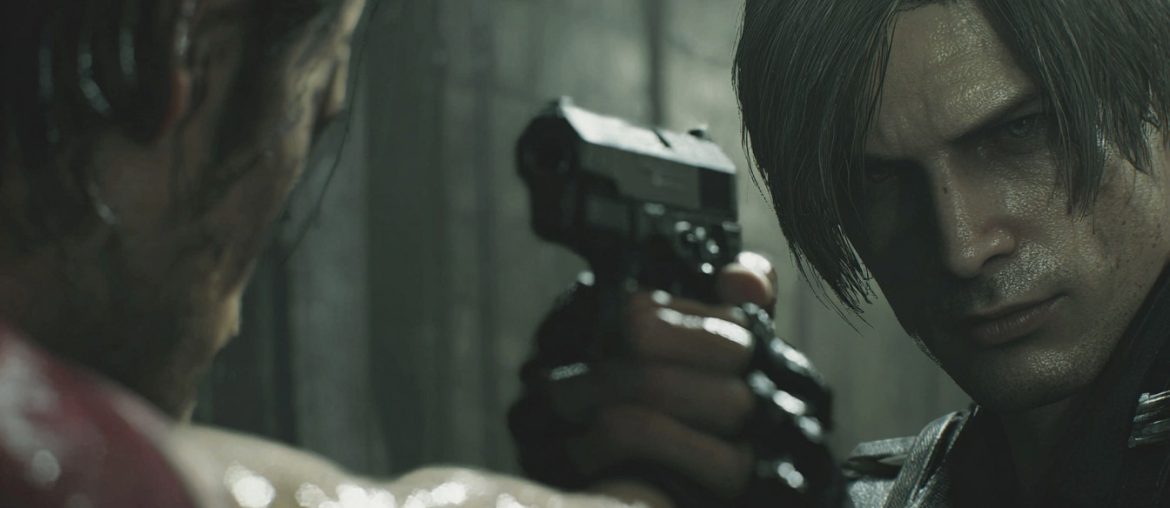
I came to Resident Evil completely fresh with no childhood attachment, expecting a dated survival horror game. What I found was a masterclass in how constraint-driven design creates genre-defining experiences. Coming from construction, I understand something about how limitations force elegance. Resident Evil’s tank controls, fixed camera angles, and limited resources aren’t compromises – they’re design choices that create the entire horror experience. You’re trapped in a mansion overrun with bioweapon experiments. You don’t have…
I’ve been gaming since the early 1980s, which means I’ve watched enough ambitious projects to recognize when a developer genuinely understands their vision. Metal Gear Solid is Hideo Kojima showing absolute mastery of game design and narrative simultaneously. This is a stealth game where stealth isn’t just an option – it’s the entire philosophy. The game respects that philosophy completely. You can fight, but fighting is failure. You can kill, but killing compromises the experience.…
Here’s the thing about Final Fantasy VII that people who didn’t live through 1997 don’t understand – this game was a cultural moment. Not just in gaming. In mainstream culture. People who’d never played a video game heard about FFVII. Cloud became iconic. Aerith’s death scene had people genuinely devastated. The marketing was everywhere. This wasn’t just a game – it was a phenomenon that proved gaming was ready for mainstream acceptance. I teach history,…
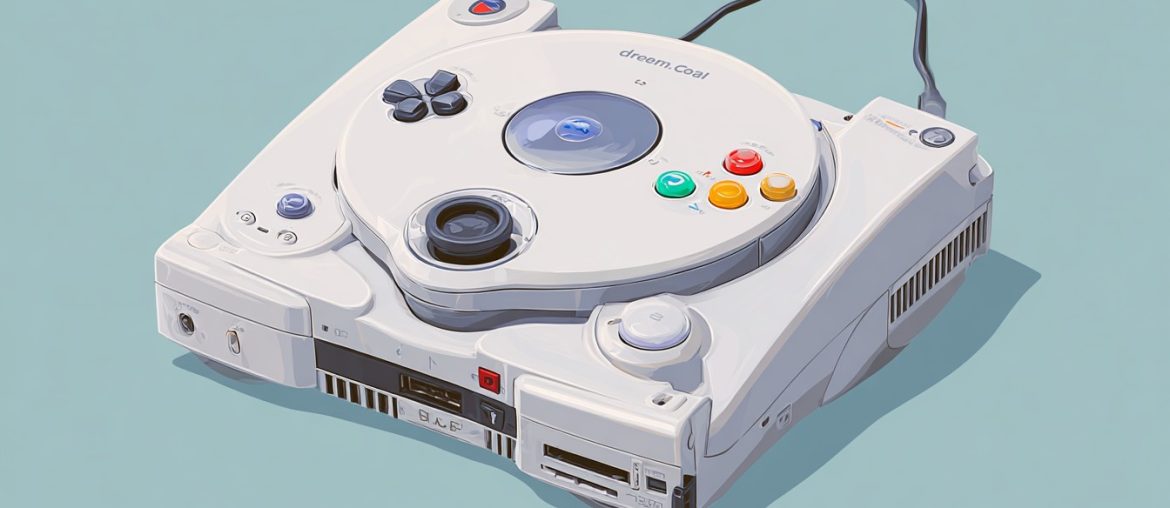
Look, there’s not much to debate here – PlayStation won the console wars of the 1990s. Sega and Nintendo had brilliant games and brilliant hardware, but PlayStation had games. Across every genre. RPGs that made the west care about JRPGs. Stealth games that redefined game design. Platformers that proved 3D could work. Racing games with depth that arcade games couldn’t touch. Fighting games that made arcade players buy consoles. Horror games that created an entire…
I spent fifteen years in IT management understanding that recommendations need to be practical, not just theoretical. “Best” is meaningless without context. The best retro console for someone wanting to collect is different from the best for someone wanting to play. The best for someone on a budget is different from the best for someone who wants the authenticity of original hardware. Understanding which console to buy right now requires understanding what matters to you…
Here’s something I teach in my history classes – sometimes understanding why something failed teaches more than understanding why something succeeded. The Dreamcast’s failure is more instructive than its success because it proves that making excellent games isn’t enough to win console wars. Sega created a brilliant console, supported it with genuinely excellent software, built an online infrastructure years ahead of competitors, and still lost completely. Understanding why requires understanding that console dominance isn’t determined…
I spent fifteen years in IT management understanding that sometimes the best systems are the ones that embrace constraint rather than fighting it. Rez is a system that embraces its constraints – abstract visuals, minimal gameplay mechanics, heavy musical integration – and creates something that’s more engaging because of those constraints rather than despite them. Rez is a rail shooter in an abstract cyberspace environment. You’re flying through geometric shapes and fighting abstract enemies by…
Phantasy Star Online is one of those games where the historical significance almost overshadows the actual gameplay experience. This is the game that proved online multiplayer could work on console hardware. Not online gaming in general – there had been network games before. But four players cooperatively playing an action RPG together in real-time on console? PSO proved that was possible and viable. From an accounting perspective, I appreciate systems that are elegant because they…
I’m not particularly interested in horror games – they’ve never been my thing. But I came to Resident Evil: Code Veronica completely fresh, expecting survival horror that was technically impressive but mechanically awkward. What I found was a genuinely well-designed game that proved survival horror could work on Dreamcast hardware just as well as PlayStation. Coming from construction, I understand something about how systems need to work within constraints. Code Veronica works within Dreamcast limitations…
I’ve watched enough ambitious projects fail to recognize when a developer is genuinely swinging for the fences. Sonic Adventure 2 is one of those swings. Sonic Team – the same people who made Sonic Adventure, which was decent but messy – looked at the response and said “okay, we’re going bigger, weirder, more ambitious.” The result is a game that’s flawed in very deliberate ways because it was trying something genuinely brave rather than playing…