The plastic creak of four N64 controllers plugged into that chunky grey beast still makes my chest tight with anticipation. Saturday afternoons in 1998 meant one thing in our house: claiming the living room for what my dad called "that bloody racket" and what we called heaven. Four mates, one TV that weighed more than a small car, and Gauntlet Legends spinning in the cartridge slot like it held the secrets of the universe.
I'd discovered the arcade version months earlier during a family trip to Southport. The cabinet stood there like a monument to cooperative chaos, four joysticks beckoning like some ancient ritual device. Drop your coins, pick your warrior, and suddenly you're Thor the Warrior (always Thor—red was my color, fight me) carving through hordes of ghosts and grunts with three complete strangers who instantly became your battle brothers. The attract mode's booming "GAUNTLET LEGENDS!" still echoes in my ears, competing with the sound of slot machines and that perpetual seaside smell of chips and disappointment.
When Midway announced they were cramming all that arcade magic into a home cartridge, I saved pocket money like my life depended on it. Forty-something quid was serious money when you're fourteen and your weekly allowance wouldn't cover a decent meal deal. But the promise was too good to ignore: four-player dungeon crawling without the 10p tax and the sticky floors.
The home conversion delivered in ways that still surprise me. Sure, the graphics took a hit—the N64 wasn't exactly pushing arcade-perfect pixels in 1998—but the essence remained intact. That satisfying chunk when you grabbed keys, the frantic scramble for food when your health bar screamed red, the way treasure chests sparkled just enough to make you ignore the obvious trap waiting three steps away. The controller worked brilliantly too, once you figured out the three-pronged dance. Analog stick for movement felt natural after months of Super Mario 64 muscle memory, and having the camera controls mapped to C-buttons meant you could actually see where you were dying.
What made Gauntlet Legends special wasn't the technology—it was the social chemistry. Four-player gaming on N64 felt like conducting an orchestra of chaos. Someone always hogged the potions (usually Dave, the greedy sod). Someone always triggered the switch that locked everyone else in with a room full of Death. Someone always picked the Valkyrie and spent the entire session complaining that she wasn't as tanky as the Warrior. These weren't bugs; they were features disguised as friendship stress tests.
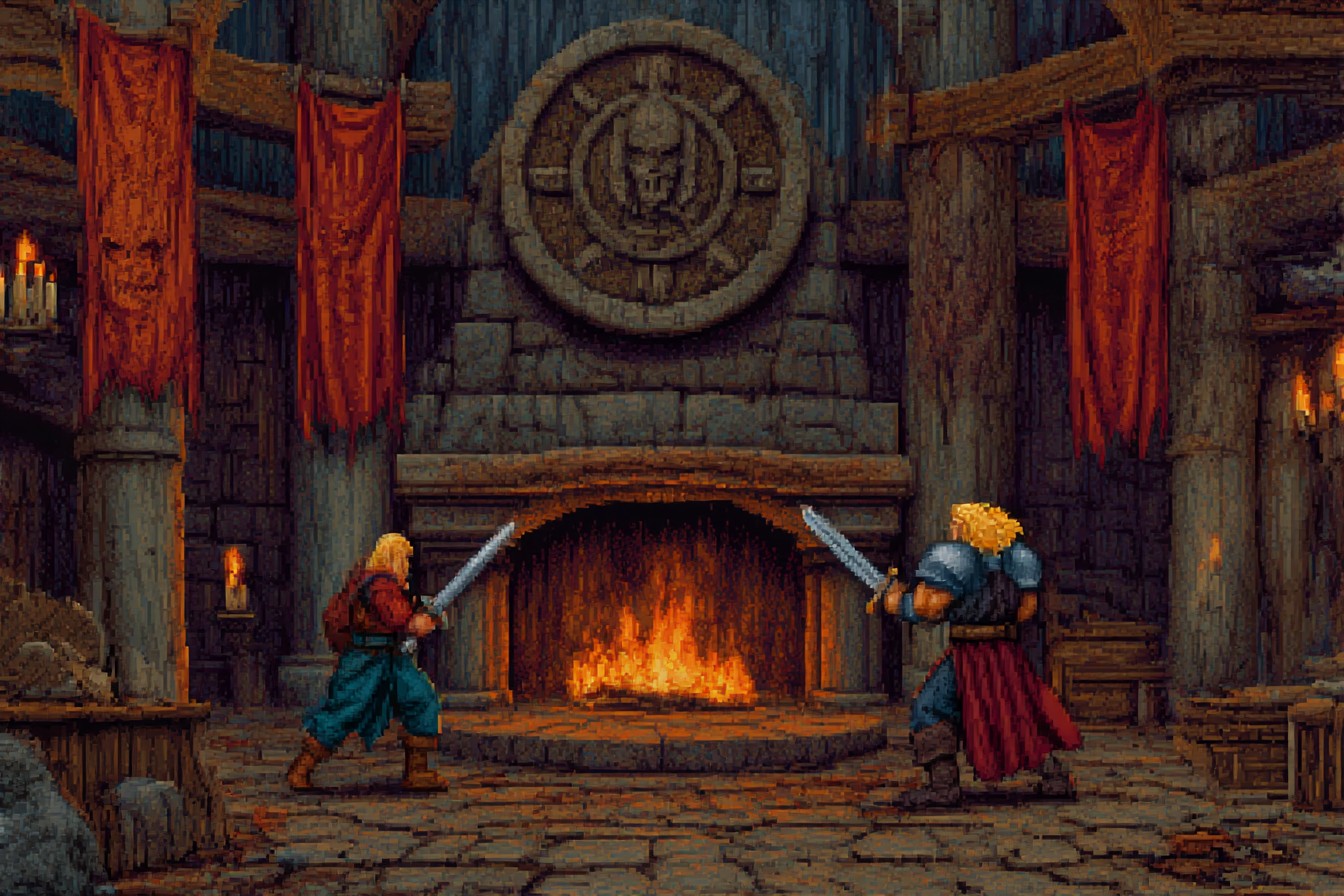
I remember one particular evening when my mum had surrendered the telly early because Coronation Street was a repeat. We'd made it deep into the Forest Realm, further than any previous attempt, when the doorbell rang. Pizza delivery. The sacred pause button got hammered while we pooled coins for a Margherita that would fuel the next three hours. The N64 cartridge sat there, patient as stone, holding our progress like a digital promise. No memory card drama, no disc read errors—just pure, solid-state reliability.
The character progression system kept us coming back week after week. Watching your chosen hero grow from scrappy adventurer to unstoppable force felt meaningful in ways that MMORPGs would later industrialize. Each stat point mattered. Each new spell or ability changed how you approached the next room full of monsters. The Warrior's increasing sword damage made you cocky. The Wizard's growing mana pool made you dangerous. The Archer's improved speed made you the team scout. The Valkyrie's… well, someone had to play her, and she looked cool in the character select screen.
Boss battles were neighborhood events. Word would spread through our small circle when someone had reached a new area, and suddenly you'd have spectators cramped onto every available seating surface. The living room would transform into a makeshift arena, complete with commentary from kids who definitely weren't playing but had plenty of tactical advice. "Don't stand there!" "Use the potion!" "Why didn't you pick up that key?" The social pressure was real, but so was the shared triumph when that massive demon finally exploded into pixels and treasure.
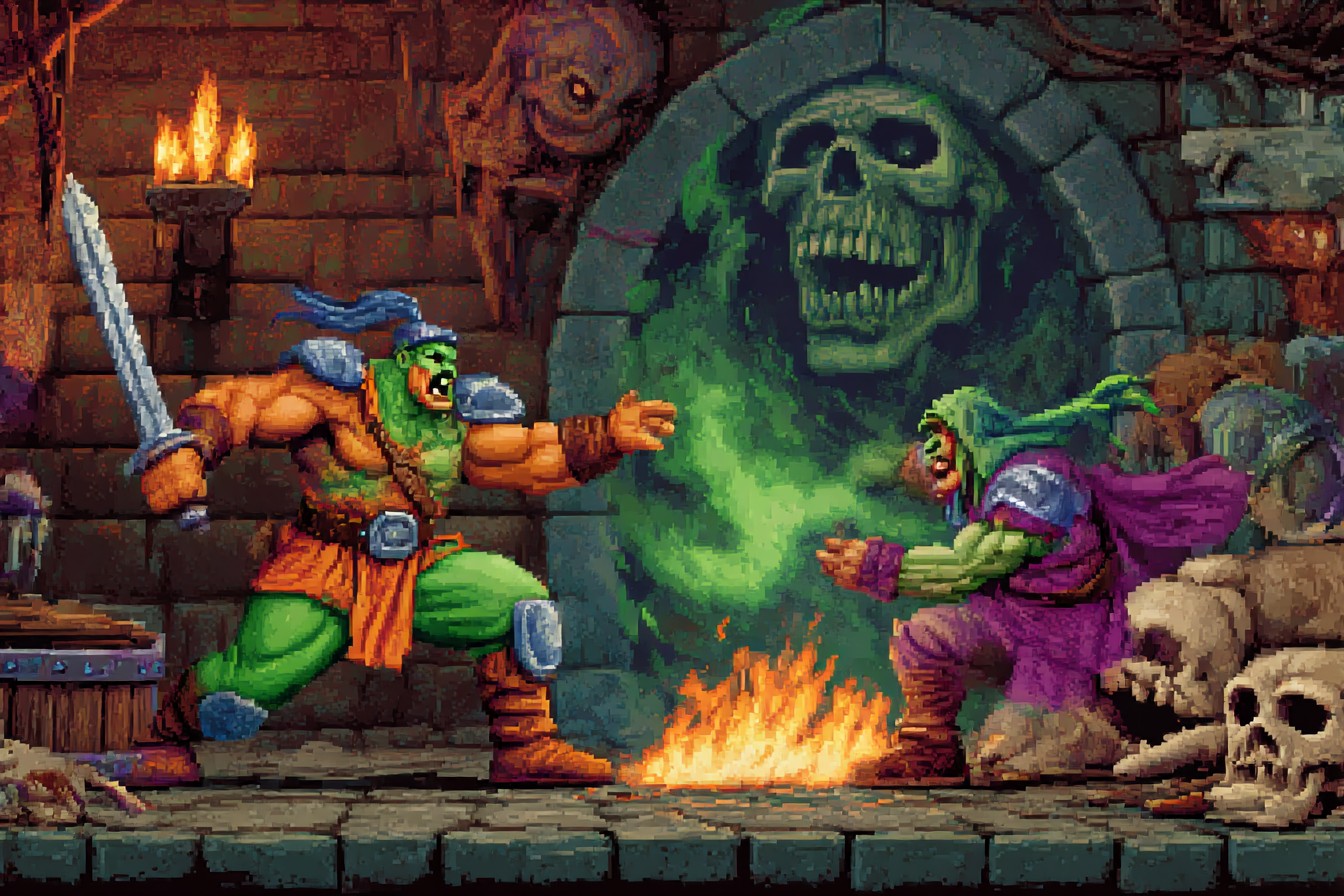
What struck me then, and still does now, was how perfectly Gauntlet Legends understood cooperative gaming. This wasn't competitive multiplayer disguised as teamwork—it was genuine collaboration with just enough individual goals to keep things interesting. You needed each other to survive the harder rooms, but you also wanted to be the one who grabbed the most treasure or dealt the killing blow to the boss. The game encouraged both helping your teammates and showing off, often simultaneously.
The N64's technical limitations actually worked in the game's favor. The slightly chunky graphics gave everything a toylike quality that made the violence feel playful rather than brutal. Enemies popped like balloons. Treasure gleamed like plastic gems. The whole experience felt like playing with action figures in the most elaborate fantasy playground ever constructed. Even the music, compressed and looped through the N64's audio chip, had a medieval-electronic fusion that perfectly matched the game's tone.
I've revisited Gauntlet Legends countless times over the years, both on original hardware and through various emulation setups. The game holds up remarkably well, especially when you can gather three other humans around a screen. There's something pure about its approach to cooperative gaming that modern titles often overcomplicate with skill trees and upgrade paths and seasonal battle passes. Sometimes you just want to be a warrior with a sword, standing next to your mates, fighting monsters in a dungeon that keeps spawning more monsters until everyone's thumbs hurt and someone's mum calls them home for tea.
The N64 version of Gauntlet Legends proved that arcade perfect wasn't the same as arcade magical. Sometimes the magic happens in translation, in adaptation, in the compromise between what the machine can do and what your imagination fills in. Four controllers, one cartridge, countless Saturday afternoons lost to the simple pleasure of hitting monsters with friends. Gaming doesn't get much purer than that.