My mate Dave popped round last Tuesday with his laptop, looking like he'd discovered fire. "You've got to see this," he said, firing up what looked suspiciously like Mario 64 running in a window on his desktop. The catch? No N64 in sight, just some software called Project64 doing things that would've blown my teenage mind.
Here's the thing about N64 emulation—it's brilliant when it works, absolutely maddening when it doesn't, and somehow both at the same time. I've been tinkering with it for years now, ever since my original grey brick started giving me those lovely purple screen crashes that meant another weekend spent cleaning cartridge contacts with cotton buds dipped in isopropyl alcohol.
First things first: you'll want to pick your poison. Project64 is the granddad of N64 emulators, been around since dial-up was a thing and your mum shouted at you for tying up the phone line. It's stable, well-documented, and handles most games without too much fuss. Then there's Mupen64Plus, which sounds like a vitamin supplement but actually offers better accuracy if you don't mind getting your hands dirty with config files. RetroArch bundles it all up with a slick interface, though I'll admit their menu system makes my head spin sometimes—too many options for an old codger who just wants to play some GoldenEye.
The real magic happens when you start messing about with graphics plugins. Rice Video was my go-to back in the day, making those chunky polygons look almost respectable on a CRT monitor. These days, GLideN64 is where it's at—it'll render Perfect Dark at resolutions that would've required a mortgage in 1997. Seeing Hyrule Field in crisp 1080p is genuinely emotional, like watching your childhood through a window that finally got cleaned.
But here's where it gets properly interesting: controller setup. You can't just plug in any old USB gamepad and expect magic. The N64 controller was basically three joypads welded together by someone who'd clearly never heard of ergonomics, and games were designed around that beautiful madness. I've got an original controller hooked up via a USB adapter—RetroUSB makes decent ones—and the difference is night and day. That slightly loose analog stick, the peculiar button placement, even the way the C-buttons felt like tiny trampolines under your thumb. It all matters.
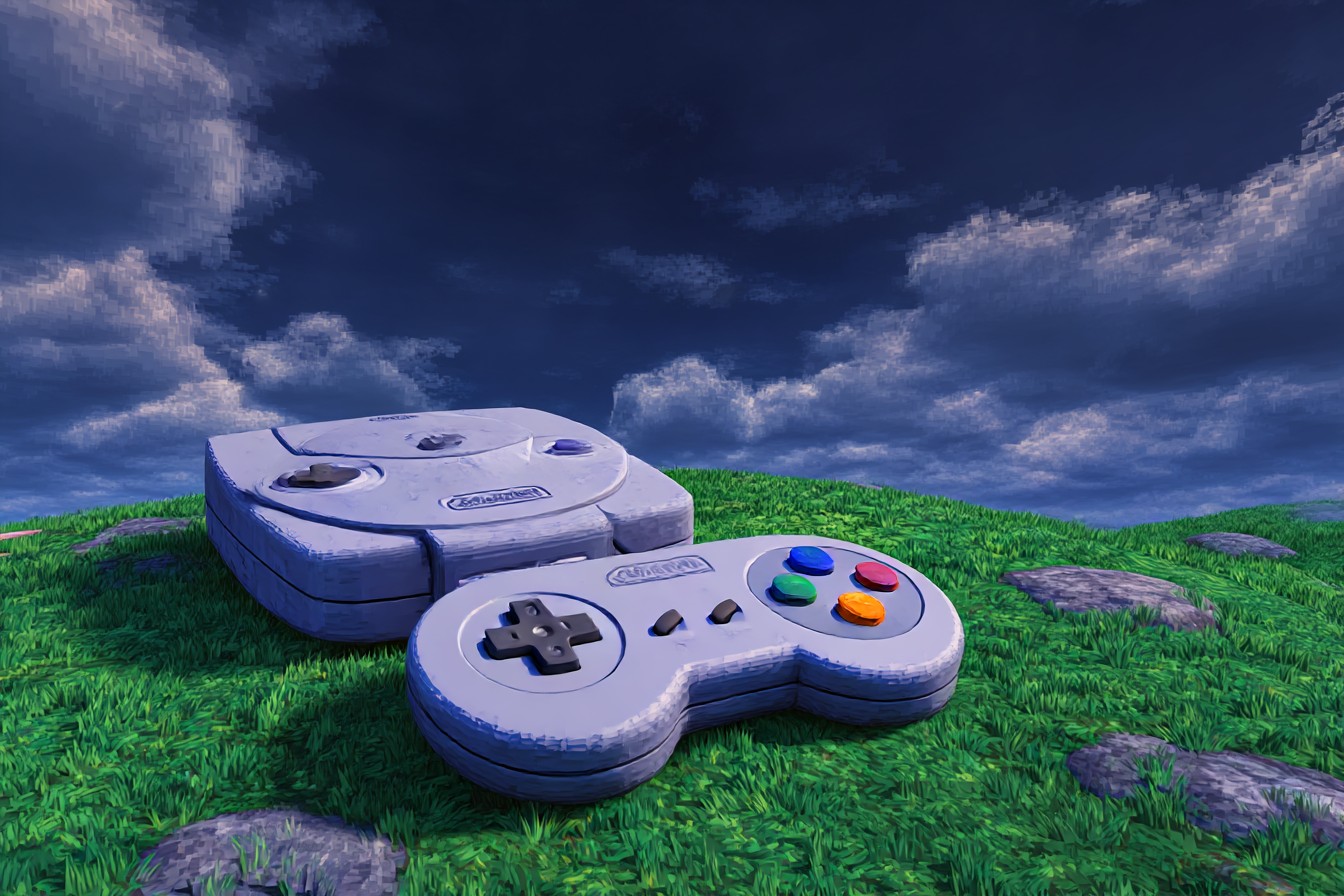
Course, you can map everything to a modern controller if you're feeling fancy. Xbox pads work brilliantly, and there's something satisfying about playing Mario Kart with analog triggers that actually have travel. Just don't tell the purists—they'll have you burned at the stake for heresy.
Getting the games running is where things get properly nostalgic. ROMs are a legal minefield I won't navigate here, but assuming you've got your ducks in a row, dumping your own cartridges feels like digitizing your childhood. I've got a Retrode 2 that does the heavy lifting—plug in a cart, wait a few minutes, and you've got a perfect 1:1 copy ready for emulation. It's slower than ordering a takeaway but infinitely more satisfying.
The first time I loaded up Super Mario 64 and heard that "It's-a me!" in crystal clarity through my PC speakers, I nearly wept. No RF interference, no dodgy composite video making everything look like it was filmed through vaseline. Just pure, unadulterated Nintendo magic running on silicon that would've cost more than my car in 1996.
Save states are the real game-changer though. Remember losing three hours of progress in Ocarina of Time because you forgot to save before taking on a boss? Save states laugh at such concerns. Press F5, immortalize that moment forever, then go mental with reckless abandon. It's cheating, technically, but it's the kind of cheating that lets you actually enjoy games instead of treating them like endurance tests.
The audio side deserves a mention too. N64 sound was always a bit ropey—compressed, crunchy, like someone was playing your favorite tunes through a cheese grater. Modern audio plugins clean it up beautifully, though I sometimes miss that authentic grittiness. There's something about the way Goldeneye's soundtrack sounded through a telly speaker that modern hi-fi can't quite capture.
Performance is generally solid on anything built this decade. My old Core i5 from 2015 handles most games without breaking a sweat, though Perfect Dark still chugs in busy sections because, well, Perfect Dark always chugged. Some games need specific tweaks—Rogue Squadron refuses to run without the right graphics settings, and don't get me started on the bizarre workarounds needed for Kirby 64's special effects.
The community around N64 emulation is absolutely brilliant. Forums full of people who remember when these games were new, sharing config files like sacred texts and debugging issues with the patience of saints. Someone's always figured out how to make that one weird game work properly, usually involving tweaking seventeen different settings in a specific order while standing on one leg.
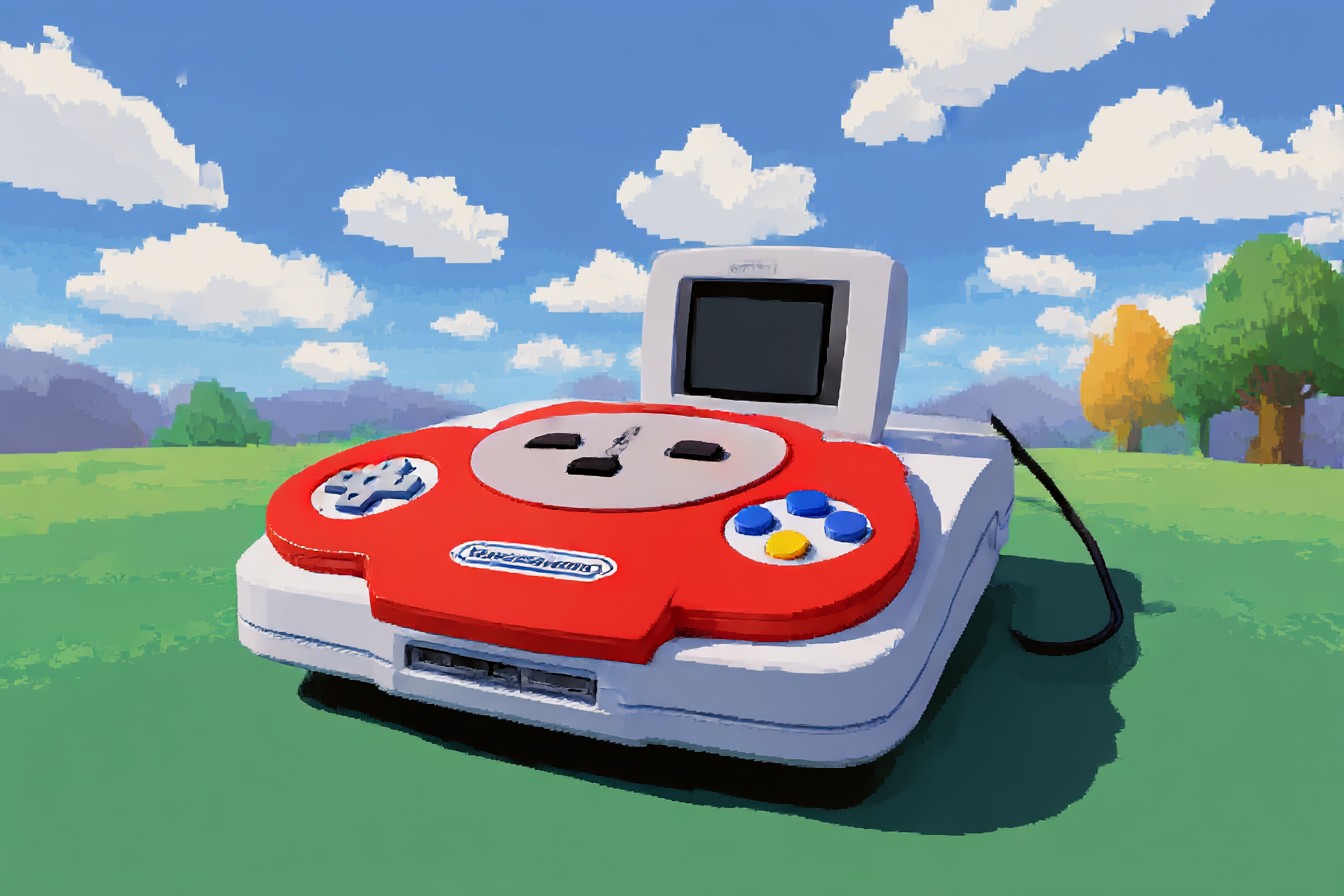
Here's my current setup: Project64 running GLideN64 for graphics, Mupen64Plus-Qt for games that need extra accuracy, and RetroArch for the fancy shaders that make everything look like it's running on an expensive CRT. Controllers are a mix of original N64 pads via USB adapters and a trusty Xbox controller for games that don't require that specific Nintendo weirdness.
The whole experience feels like time travel with modern conveniences. Same games, same memories, but now I can play in my pajamas at 2 AM without waking the house, save anywhere I like, and even record my gameplay for posterity. My teenage self would've sold his Tamagotchi collection for this setup.
Is it authentic? That depends how you define authentic. The pixels hit your retina the same way, the music triggers the same memories, and muscle memory kicks in like riding a bike. The only thing missing is the ritual of cartridge-blowing and the gentle hum of a CRT warming up.
Sometimes I fire up the real hardware just for comparison. The original still has its charm, but honestly? Emulation's come so far that I barely notice the difference anymore. Just don't tell my N64—it's having enough trouble with its aging capacitors as it is.