Right, so picture this: I'm sat in the dentist's waiting room in 2005, and there's this kid next to me absolutely absorbed in what looks like a Game Boy that someone's fed too many vitamins. Turns out it's the new Nintendo DSi, and this little tyke is playing Super Mario 64 on it. My first thought? "That's not right." I mean, proper Mario 64 belonged on the N64, with that chunky three-pronged controller and a telly that weighed more than most modern cars.
But curiosity killed the cat, and all that. After watching this youngster navigate Princess Peach's castle with a stylus—a bloody stylus!—I had to get my hands on one. Call it research. Call it midlife crisis. Call it whatever you want, but within a week I'd tracked down a copy of Super Mario 64 DS and borrowed my nephew's DSi for what I told myself would be "just a quick go."
Three hours later, I'm still there, sat on his bedroom floor like some sort of gaming goblin, absolutely captivated by how wrong this felt and how right it worked.
See, the thing about Mario 64 on the N64 was that analog stick. That beautiful, revolutionary little nub that let you tiptoe or sprint, depending on how gently you kissed it with your thumb. The DSi doesn't have an analog stick—it's got a d-pad that's about as subtle as a brick through a window. Should've been a disaster, right? But Nintendo did something clever. They mapped the touch screen to movement, so you could slide the stylus around this little circular area and Mario would respond accordingly. Genius or madness? Bit of both, honestly.
First time I tried it, I walked Mario straight off a cliff. Second time, I managed to get him stuck facing a wall for about thirty seconds while I figured out which way was forward. But by the third go, something clicked. The touch controls weren't trying to replace the analog stick—they were doing their own thing entirely. Once you stopped fighting it and started working with it, Mario moved with this odd sort of precision that felt… well, different. Not better, not worse, just different.
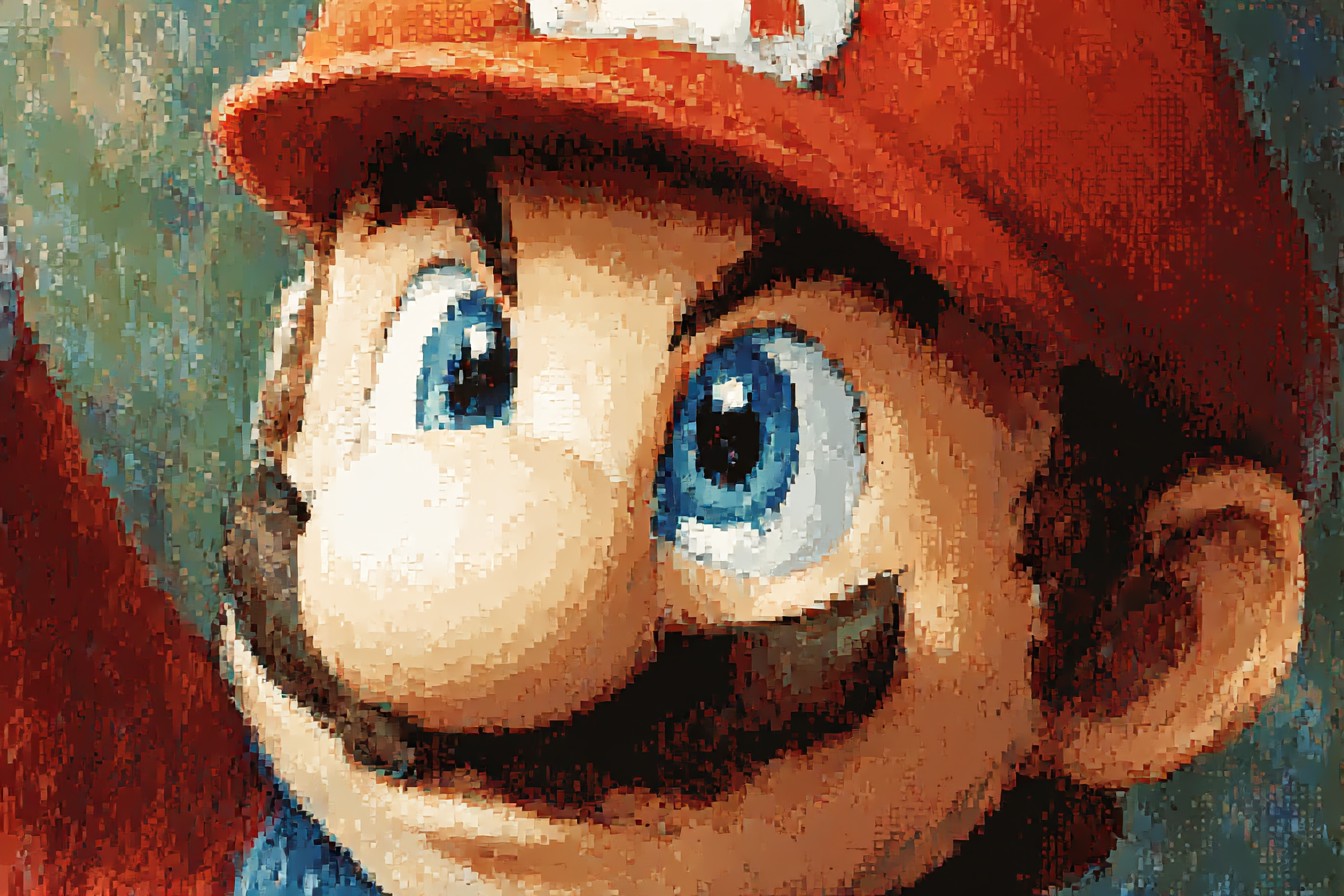
What really got me, though, was how they'd expanded the whole experience. You know how the original N64 version was just Mario doing his thing? Well, the DS version throws Yoshi into the mix right from the start, plus Luigi and Wario once you've unlocked them. Each character handles differently, too. Yoshi's got his flutter jump and can eat enemies—proper nostalgic stuff that brought me right back to Super Mario World on the SNES. Luigi jumps higher but slides around like he's wearing socks on a kitchen floor. Wario's built like a tank and can break blocks the others can't touch.
I spent an embarrassing amount of time just switching between characters to see how they'd handle the same jumps differently. That bit in Cool, Cool Mountain where you have to navigate those icy platforms? Completely different experience depending on who you're playing as. With Mario, it's about timing. With Luigi, you can almost float between platforms. With Wario, you just power through and hope for the best.
The portable factor changed everything, though. See, back in the day, playing Mario 64 was a commitment. You had to commandeer the living room, fire up the N64, and dedicate proper time to it. But having it in your pocket? Game changer, literally. I found myself sneaking in twenty minutes here and there—on the bus, during lunch breaks, hiding in the garage when the wife was watching Coronation Street (some things never change).
There's something weirdly intimate about playing Mario 64 on a tiny screen with headphones on. All those iconic sounds—the "wahoo!" when Mario jumps, the satisfying "ding" when you grab a star, that slightly unhinged giggle when he goes down a pipe—they're right there in your ears. Made the whole experience feel more personal somehow, like Mario was whispering directly to you.
Mind you, the graphics took a bit of getting used to. The N64's chunky polygons looked charmingly retro on a CRT telly, but squeezed onto the DSi's screens they looked… well, chunky in a different way. Not bad, just different. Like seeing an old friend who's had a haircut. Still recognizable, still loveable, just slightly off until your brain adjusts.
The camera system caused me more grief than I care to admit. The N64's C buttons were perfect for whipping the camera around, but the DSi makes you use the d-pad or touch screen icons. Took me ages to stop instinctively reaching for buttons that weren't there. Can't tell you how many times I died because I was faffing about trying to get the camera angle right instead of, you know, actually playing the game.
But here's the thing—and this surprised me more than anything—the touch screen minigames were brilliant. Completely new additions that had nothing to do with the original, but they felt right at home. There's this one where you have to trace paths for rolling balls, and another where you're catching falling Mario heads (don't ask me to explain the logic). Silly stuff, but perfectly designed for those two-minute gaming sessions when you're waiting for a kettle to boil.
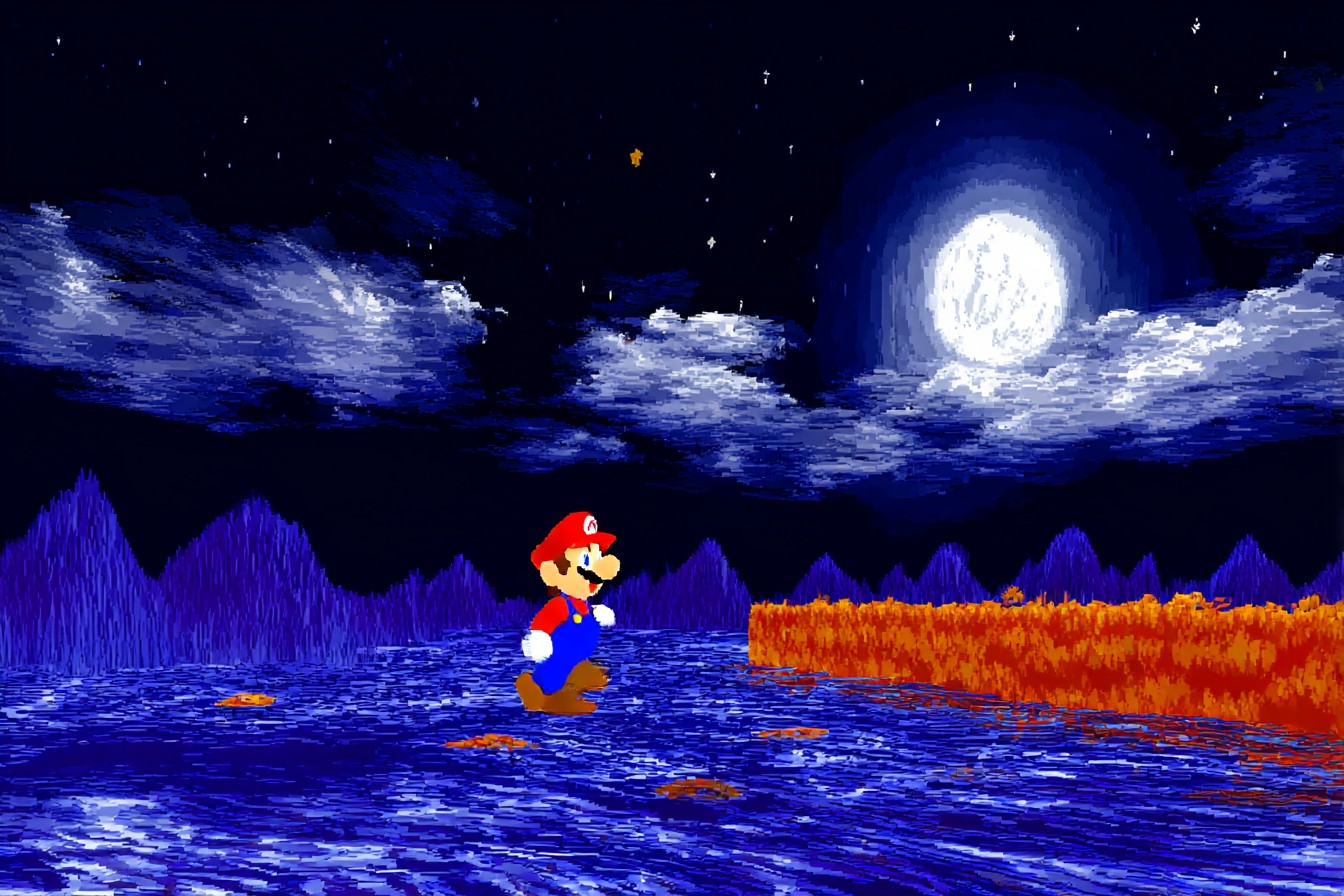
What really sold me on the whole experience was taking it on holiday. Packed the DSi instead of lugging a laptop or fighting over hotel TV remotes. Sitting by a pool in Spain, working through Jolly Roger Bay while sipping something fruity—that's not an experience you could've had with the original. The portability didn't just change where you could play; it changed when you wanted to play.
Looking back now, Super Mario 64 DS feels like a proof of concept for something Nintendo would perfect later. The touch controls were rough around the edges, sure, but they showed that classic 3D gameplay could work on a handheld. Without this little experiment, would we have gotten Mario 64 on the Switch? Hard to say.
The DSi might've been the ugly duckling of the DS family—not quite as revolutionary as the original, not quite as polished as the 3DS that followed—but it gave us something special. It proved that nostalgia doesn't have to be museum glass. Sometimes the best way to honor a classic is to completely reimagine how you play it, even if it feels wrong at first.
These days, my nephew's moved on to whatever kids play now (something involving battle passes and microtransactions, I'm told), but I've still got that DSi cartridge. Every now and then, usually when I'm supposed to be doing something more sensible, I'll fire it up and spend twenty minutes collecting coins in the castle courtyard. Same magic, different delivery method. Sometimes that's all you need.