There's something almost mythical about what Angel Studios pulled off when they squeezed Resident Evil 2 onto an N64 cartridge. I remember the first time I heard about it—probably through a mate who worked at Electronics Boutique, whispering about how Capcom was attempting the impossible. You had to understand the context here: RE2 was this sprawling, cinematic beast on PlayStation, crammed onto two discs with FMV sequences, uncompressed audio, and all the digital headroom that comes with compact disc technology. The N64? Well, that was still living in cartridge land, where every megabyte cost actual money and compression algorithms were treated like state secrets.
I'll be honest, I was skeptical. My Saturn had the superior 2D muscle but nobody was talking about a Saturn port. My PlayStation handled the original just fine, with those gorgeous pre-rendered backgrounds and smooth as butter FMV cutscenes. Why would anyone want to play a watered-down version on Nintendo's machine? Then I actually got my hands on it at a gaming expo—must've been around late '98, early '99—and my preconceptions got absolutely demolished.
The technical wizardry on display was staggering. Angel Studios didn't just port RE2; they rebuilt it from the ground up using compression techniques that honestly felt like dark magic at the time. Every texture, every audio sample, every cutscene had been run through algorithms that somehow preserved the essence while shrinking the file sizes to cartridge-friendly proportions. The most impressive trick? They managed to fit both Leon and Claire scenarios on a single 64MB cart. That's smaller than most smartphone photos today, but back then it represented months of painstaking optimization work.
What really sold me wasn't the technical achievement though—it was how they used the N64's unique capabilities to actually improve certain aspects of the experience. The DualShock support was brilliant, sure, but it was the little touches that got me. The lighting engine felt more dynamic somehow, taking advantage of the N64's real-time rendering capabilities in ways the pre-rendered PlayStation backgrounds couldn't match. Explosions had this chunky, visceral quality that made every grenade feel properly destructive.
And then there was the Rumble Pak. Good grief, the Rumble Pak. Playing RE2 with force feedback was like experiencing the game through a different nervous system entirely. Every zombie bite had weight, every shotgun blast kicked back through your palms, and those moments when you're desperately trying to reload while something ghastly shambles toward you… the controller would pulse with your character's heartbeat. It sounds gimmicky written down, but in practice it transformed tension into something physical. I'd find myself gripping that alien three-pronged controller so tightly during boss fights that my knuckles would go white.
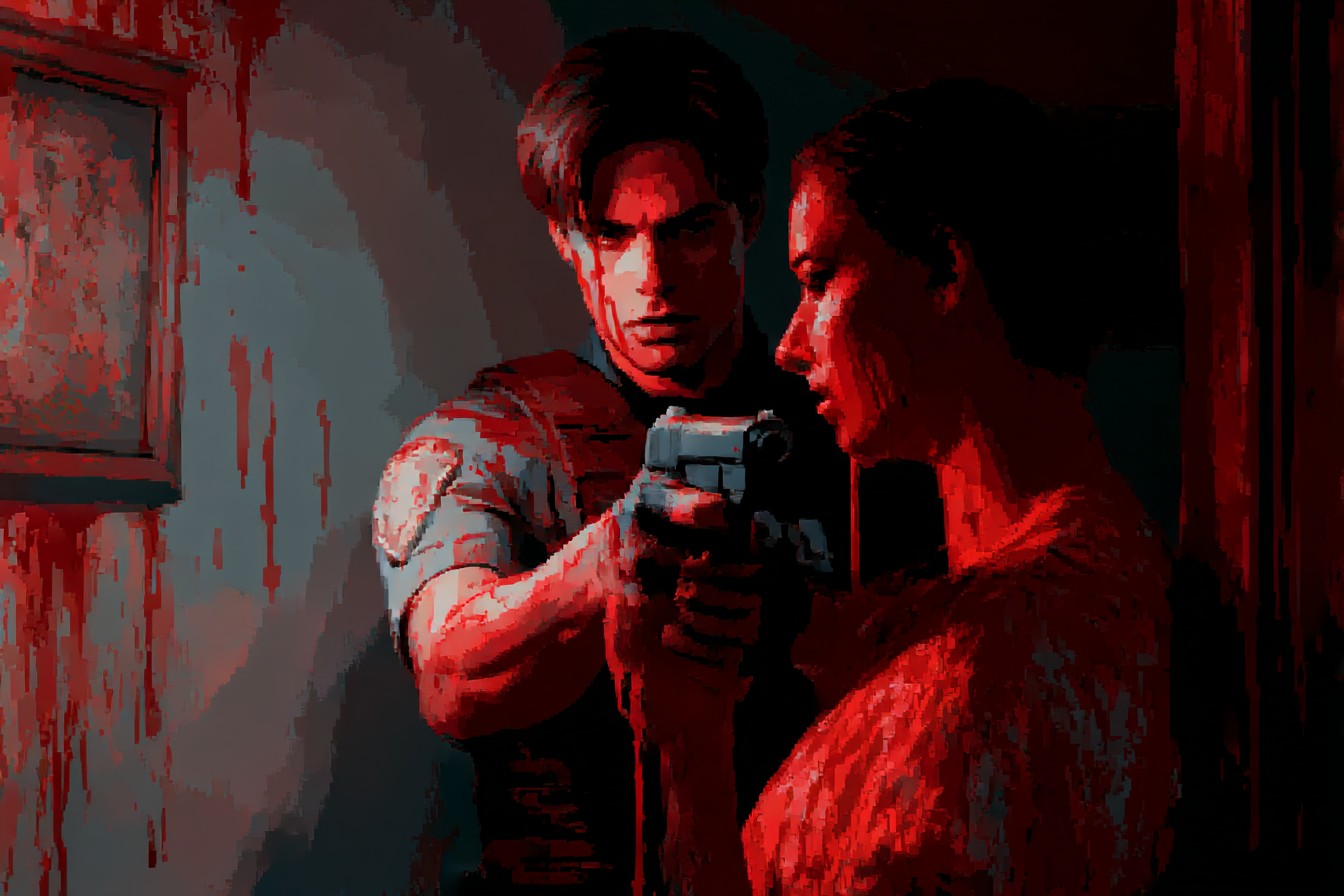
The compression work extended to the audio in fascinating ways. Instead of just shrinking the existing PlayStation samples, Angel Studios rebuilt the entire soundscape from scratch. Leon's voice acting sounded crisper somehow, more immediate. The ambient sound design—creaking floorboards, distant moaning, the metallic click of loading a fresh clip—had this intimate quality that made everything feel closer, more claustrophobic. It's weird how technical limitations can sometimes force creative solutions that end up being superior to the original approach.
I spent countless evenings that winter working through both scenarios, marveling at how different the N64 version felt from its PlayStation cousin. The frame rate was rock solid in ways that the original sometimes wasn't. Load times were practically nonexistent—one of cartridge technology's underappreciated advantages. When a zombie burst through a door, there was no pause, no momentary hitch while the disc span up. Just immediate, unfiltered horror.
The real genius move was including content that didn't exist in the original PlayStation release. New costumes, additional files scattered throughout Raccoon City, and most memorably, a series of randomized item placements that kept veteran players on their toes. I'd played through the PlayStation version multiple times, thought I knew every safe combination and key location by heart. The N64 edition made me feel like a newcomer again, fumbling through the police station with genuine uncertainty about what I'd find in that next locker.
Looking back now, with the benefit of hindsight and modern compression algorithms, what Angel Studios accomplished feels even more impressive. They were working with tools and techniques that were cutting-edge for 1998, solving problems that wouldn't become commonplace in the industry for years. Every byte was precious, every texture had to earn its place, and somehow they managed to preserve not just the gameplay but the atmosphere that made RE2 special in the first place.
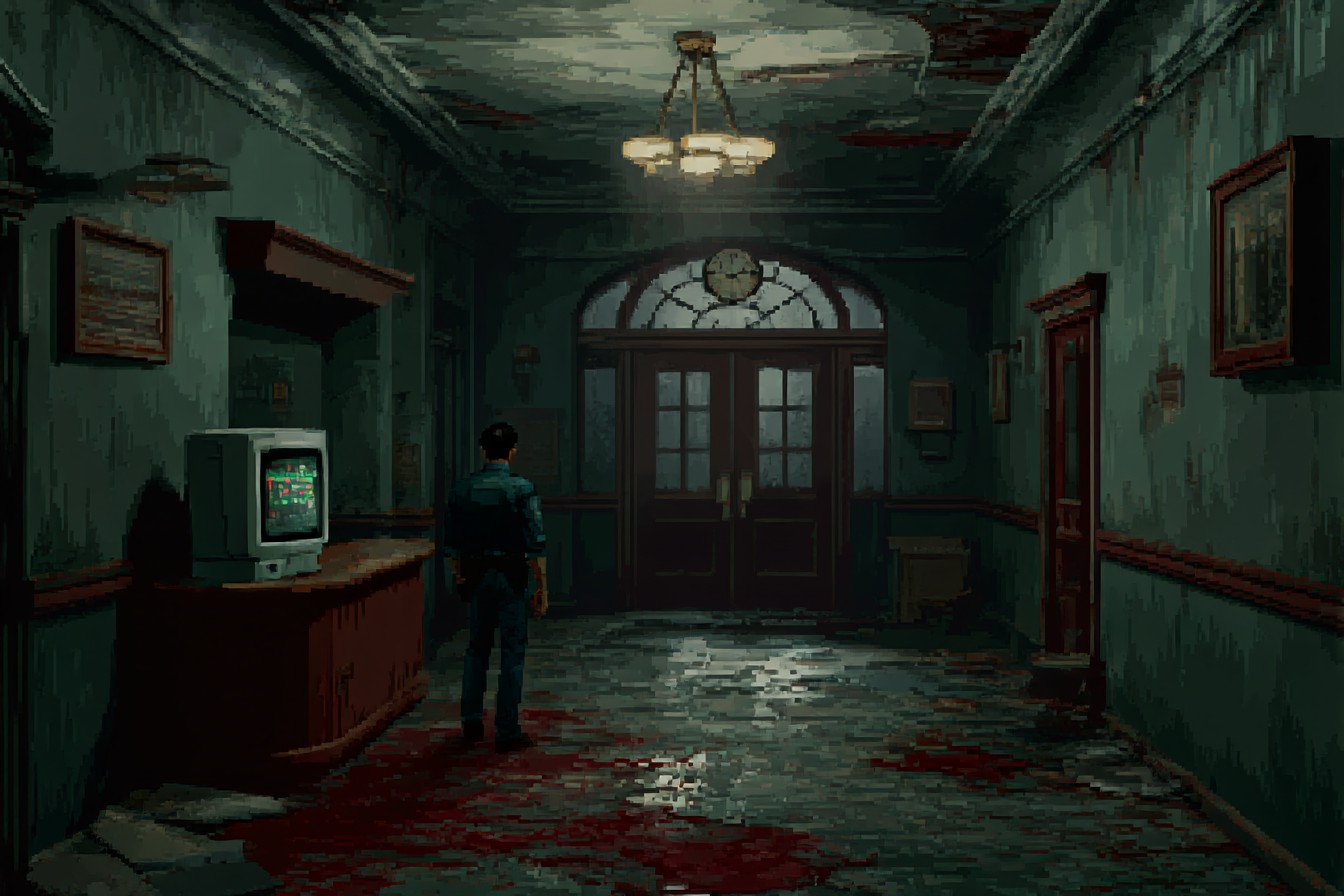
The N64 controller, initially so alien with its three-handled design, turned out to be perfect for survival horror. That Z-trigger felt natural for precise aiming, the analog stick gave you smooth movement through tight corridors, and the C-buttons provided quick access to your inventory without breaking immersion. I remember teaching friends the proper grip—left hand on the center prong, right hand on the right handle—and watching them have those same "oh, now I get it" moments I'd experienced months earlier.
What strikes me most about RE2 on N64 isn't just the technical achievement, though that's certainly noteworthy. It's how the port demonstrated that different hardware could offer genuinely different experiences of the same game. The PlayStation version was cinematic, polished, expansive. The N64 version was immediate, tactile, and somehow more intimate. Neither was objectively better, but both had unique strengths that appealed to different aspects of what made Resident Evil compelling.
These days, when ports are often straightforward affairs with maybe some resolution bumps or texture improvements, there's something refreshing about remembering when moving a game between platforms required genuine creativity and technical innovation. RE2 on N64 wasn't just Resident Evil 2 running on different hardware—it was a complete reimagining of how that experience could work within different constraints and possibilities.
That cartridge still sits in my collection, those compression algorithms still quietly doing their work every time someone slides it into an N64. It's a small monument to what happens when technical limitations meet creative determination, and honestly, gaming is richer for experiments like this one.