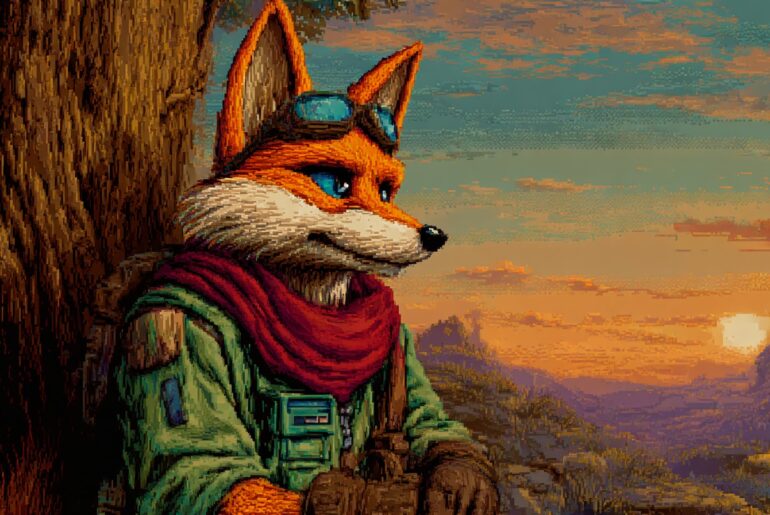
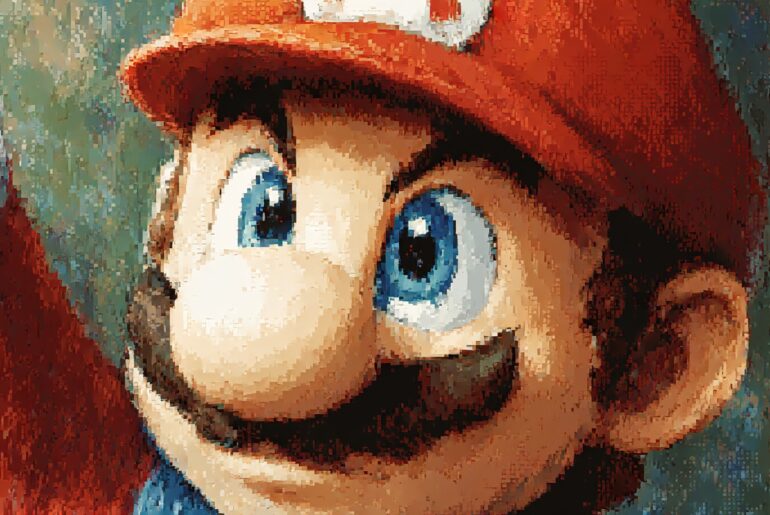
I still remember the exact moment I knew Super Smash Bros was something special. It was March 1999, and I’d just picked up my copy from the local Electronics Boutique – yeah, back when that was still a thing. My buddy Mike was over, we’d hooked up the N64 to my old 27-inch Zenith CRT, and we were staring at the character select screen like we’d discovered buried treasure. Mario. Link. Pikachu. All in the same fighting game. I mean, what the hell?
See, I’d been playing fighting games since Street Fighter II hit the SNES back in ’92. Spent countless hours memorizing quarter-circle motions, dragon punches, all those complex inputs that made fighting games feel like you needed a computer science degree just to throw a decent fireball. Then here comes Nintendo with this game that basically said “forget everything you think you know about fighting games” and handed us something completely different.
The genius was in the simplicity, really. A button for attack, a button for special moves, stick for movement, shoulder buttons for grabbing and shielding. That’s it. No memorizing combo lists that looked like hieroglyphics. My wife – who usually ran away when I fired up Tekken 3 because the control schemes intimidated her – actually sat down and played a few rounds. Picked Kirby because he was “cute,” she said, but then proceeded to inhale-spit me off the platform three times in a row while laughing like she’d just pulled off the crime of the century.
What really got me was how Nintendo managed to make each character feel authentic to their home games while still working in this completely new context. Link had his sword slashes, his boomerang, even that spin attack from Zelda. But seeing him face off against Samus Aran? That was like watching your childhood action figures come to life and settle old playground arguments about who would win in a fight.
The stages were pure Nintendo fan service, and I loved every second of it. Hyrule Castle with that tornado that would randomly sweep across and mess up everyone’s spacing. Saffron City where Pokémon would just appear out of nowhere – nothing quite like having a perfectly planned attack interrupted by a Chansey dropping health items everywhere. And Planet Zebes with that rising acid that forced everyone into increasingly desperate situations up top. These weren’t just backgrounds; they were active participants in the chaos.
Mike and I developed this ritual where we’d spend the first hour of every session just experimenting. What happened if you threw Pikachu’s Thunder while someone was directly above you? Could you actually survive getting hit by Samus’s fully charged shot? How many times could Fox reflect the same projectile before something exploded? We were like kids with a new chemistry set, except instead of making stink bombs we were discovering the joy of launching Mario into orbit with a perfectly timed smash attack.
The physics felt different from anything else I’d played on N64. Characters had actual weight to them. A hit that would barely register on Bowser would send Pikachu flying across the screen. And that moment when you connected with a strong attack right at the edge of the blast zone – that satisfying little flash and sound effect that meant you’d scored a KO – never got old. We’d high-five over successful spikes like we’d just won the lottery.
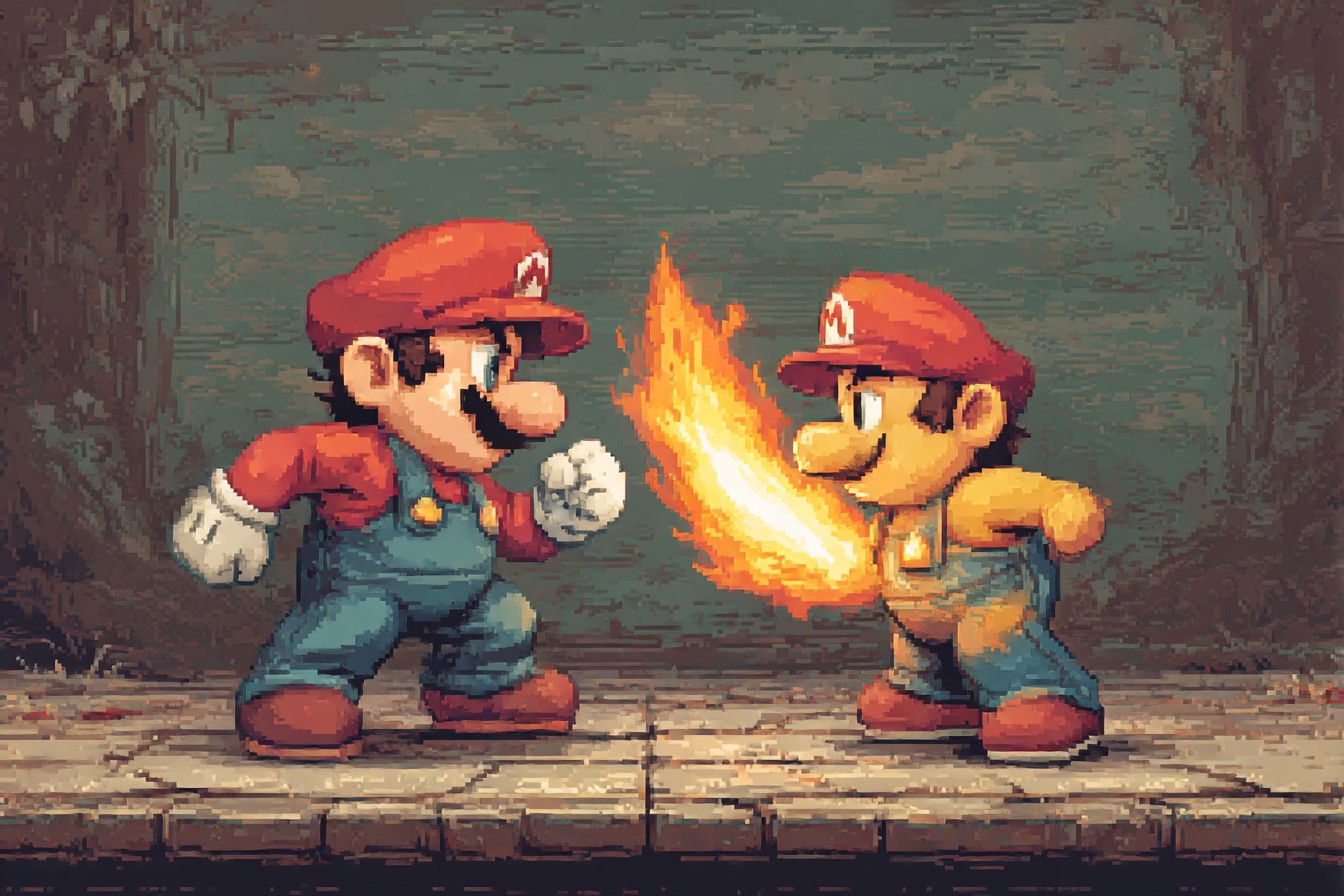
I became obsessed with unlocking the secret characters. Captain Falcon was the first one I discovered, and man, that reveal trailer with the Falcon Punch had me rewinding the video multiple times. Here was this guy I knew from F-Zero, but instead of racing at breakneck speeds he was throwing haymakers that could knock someone clear into next Tuesday. The disconnect was wild but somehow made perfect sense within Smash’s anything-goes logic.
The single-player mode was solid, but honestly, we barely touched it after those first few weeks. The real magic happened when you had four people crowded around one TV, controllers in hand, arguing about items and stage selection. We’d rotate through the roster, everyone calling dibs on different characters, developing these weird loyalties. I was a Link main from day one – something about that forward smash with the Master Sword just clicked for me. Mike swore by Samus and her charge shot, though he had this annoying habit of rolling everywhere and making himself impossible to pin down.
Items were the great equalizer. A perfectly executed combo could be instantly nullified by someone grabbing a Home-Run Bat or a well-timed Poké Ball. We’d spend entire matches chasing after these things, completely abandoning any pretense of strategy in favor of pure item-based chaos. Star Rod spam was particularly obnoxious – whoever grabbed it would just stand in the corner firing those little star projectiles until someone managed to get close enough to knock it away.
The Poké Ball was pure lottery excitement. Pull out a Goldeen and everyone would laugh at your misfortune. Get a Snorlax and suddenly the entire stage dynamic shifted as this massive Pokémon just sat there, taking up half the platform and forcing everyone to adjust their positioning. And if you were lucky enough to get Charizard? Game over, basically. That Flamethrower would clear the stage faster than a fire alarm.
What struck me most about Smash was how it felt like Nintendo celebrating their own history. This wasn’t just a fighting game with recognizable characters slapped on top; it was a love letter to decades of game design, a greatest hits compilation that somehow worked as its own unique experience. The music, remixed from classic games but given this orchestral treatment that made everything feel epic and important. That opening cinematic with the toy-like figures coming to life on the table… I mean, come on. That was Nintendo basically saying “remember when games were about pure fun and imagination?”

The N64 controller, which felt weird and gimmicky for a lot of games, suddenly made perfect sense with Smash. That analog stick gave you precise control over your movement and attacks in ways that the traditional D-pad fighting games couldn’t match. Though I’ll admit, we went through more than a few controllers – those analog sticks weren’t designed for the kind of abuse four grown men could dish out during a heated tournament bracket.
We developed house rules pretty quickly. Motion Sensor Bombs were banned after too many incidents of people blowing themselves up trying to be clever. Poké Balls stayed legal because the random factor kept matches unpredictable. And absolutely no pausing mid-match to argue about whether something was cheap or not – you took your lumps and moved on.
Looking back now, Super Smash Bros was revolutionary in ways that went beyond just being a good fighting game. It proved that established game genres could be completely reimagined if you were willing to throw out the rulebook. It showed that accessibility and depth weren’t mutually exclusive – you could make something easy to pick up but nearly impossible to master. And it demonstrated that sometimes the best ideas are the ones that seem completely obvious in hindsight but took genuine vision to execute.
The competitive scene that eventually grew up around Smash was still years away. We didn’t know about wavedashing or L-canceling or tier lists. We just knew that when you got four people together with this game, magic happened. Friendships were tested, controllers were thrown, and memories were made that I’m still talking about twenty-five years later.
That original Super Smash Bros laid the foundation for everything that followed, but there was something pure about it that the later games, for all their improvements, never quite recaptured. Maybe it was the novelty of seeing these characters interact for the first time. Maybe it was the tight roster that made every character feel essential. Or maybe it was just being young enough to be completely blown away by the audacity of the whole concept.
Either way, that little cartridge changed how I thought about what video games could be. And every time I hear that opening theme, I’m right back in 1999, controller in hand, ready to settle the eternal question of who would win in a fight between a plumber and an electric mouse.

Samuel’s been gaming since the Atari 2600 and still thinks 16-bit was the golden age. Between accounting gigs and parenting teens, he keeps the CRTs humming in his Minneapolis basement, writing about cartridge quirks, console wars, and why pixel art never stopped being beautiful.