Been having a proper clear-out of the spare room – you know how it is, start looking for an old cable and three hours later you’re knee-deep in boxes you haven’t touched since the last house move. That’s when I found them again: two gold N64 cartridges that honestly might be worth more than my car at this point. Ocarina of Time and Majora’s Mask, sitting there looking as precious as the day I first got them. And Christ, they really are precious, aren’t they?
Got Ocarina for Christmas 1998 when I was still living at home in Manchester. Mum had done her usual trick with the thick wrapping paper – the stuff that crinkled like cellophane and was impossible to tear quietly. Could feel the cartridge shape through it immediately, and I swear I nearly had a heart attack right there under the tree. I’d been poring over screenshots in N64 Magazine for months, probably drove the lads at work mental talking about it. When I finally plugged it in and heard that opening chord… well, that was it for me, wasn’t it?
Thing is, most games back then felt like elaborate toys. Brilliant toys sometimes – I’m not knocking toys – but toys nonetheless. Ocarina was different. It felt like stepping through the back of a wardrobe, if you’ll forgive the reference. That opening sequence with adult Link galloping across Hyrule Field had me watching it over and over before I even picked up the controller properly. The sheer scale of it, this sense that you were in an actual place rather than a series of connected rooms… nothing had prepared me for that.
The Z-targeting system – now there’s something that doesn’t sound revolutionary when you say it out loud, does it? But bloody hell, it was. Before that, 3D combat was like trying to thread a needle while riding a roller coaster. We were all still figuring out how to move in three dimensions without walking into walls, never mind trying to fight things. Most games had you swinging wildly at thin air like you’d had one too many at the pub. Ocarina made it feel graceful, like you actually knew what you were doing with that sword.
And the music integration… I mean, I actually bought a proper ocarina off the internet a few years later. Still got it somewhere, much to my wife’s continued bafflement. Playing Epona’s Song to call your horse wasn’t just a game mechanic – it felt meaningful in a way that pressing X to interact never could. The Song of Storms sequence where you teach it to the windmill man as a child after learning it from him as an adult? That’s proper time-travel storytelling, that is.
What really got me was how comfortable it was with silence. Most games from that era were terrified of quiet moments – always throwing sound effects at you like they were afraid you’d get bored and switch off. Ocarina understood that sometimes the most powerful thing is just… nothing. Standing in the Temple of Time at half past midnight, everyone else in the house asleep, with just that distant ambient hum. Gave me goosebumps then. Still does now, if I’m honest.
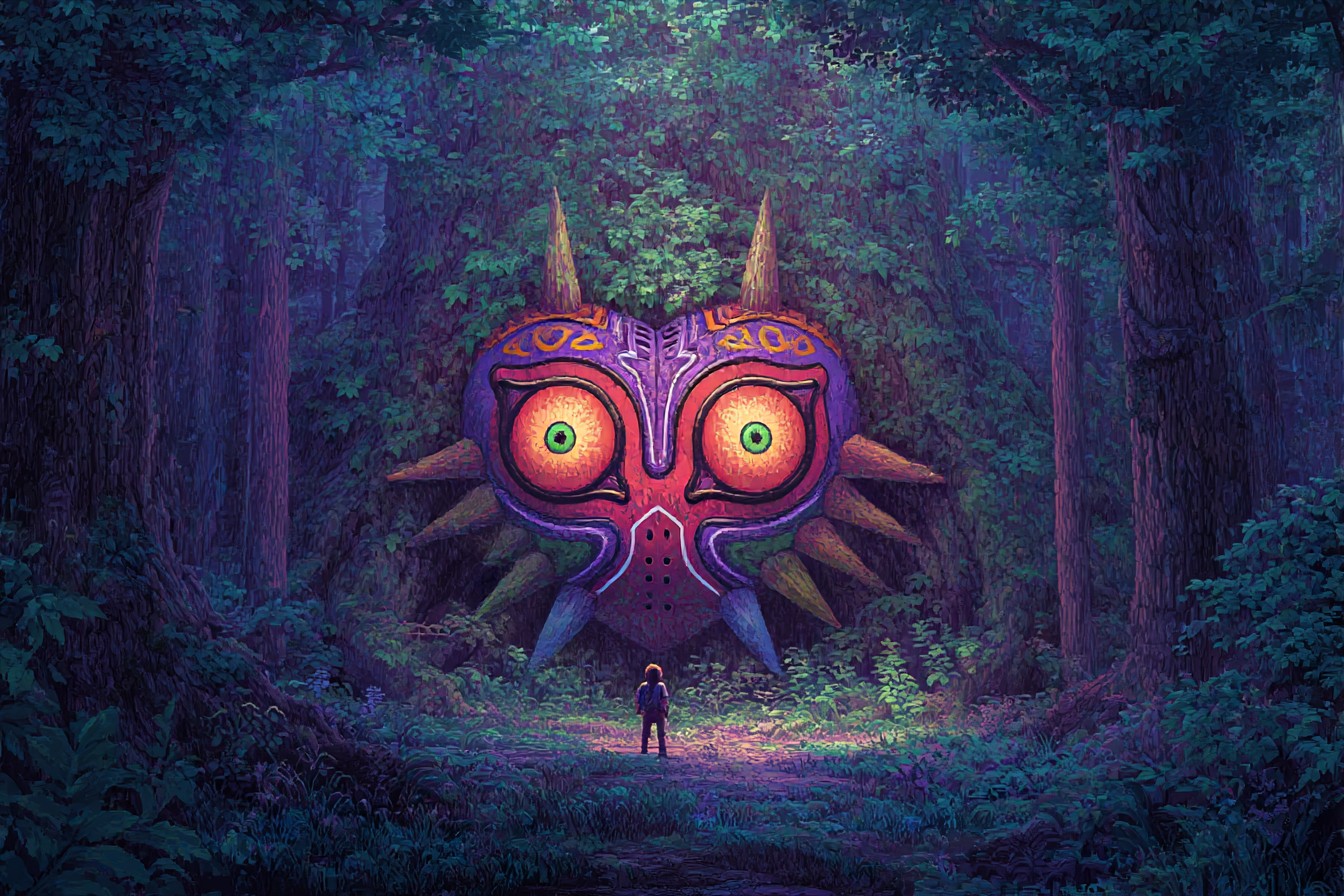
Majora’s Mask though – that’s where Nintendo completely lost their minds in the best possible way. Picked it up on launch day, partly because I was desperate for more Zelda, partly because owning the Expansion Pak made me feel like I had premium gaming hardware. Had no idea I was about to play what might be the strangest, darkest thing Nintendo has ever published.
The three-day cycle absolutely did my head in initially. Kept trying to play it like normal Zelda, getting frustrated when NPCs would forget our conversations, when quest progress would vanish into thin air. Took me longer than I care to admit to realize the repetition wasn’t a bug or technical limitation – it was the entire bloody point. The game wanted you to become a detective of daily routine, learning everyone’s patterns, finding the precise moments where you could make a difference.
That moon, though. That horrific grinning moon. Even thinking about it now makes me uncomfortable. The way it would loom larger each day, that face getting more menacing… Nintendo made a kids’ game about the end of the world and somehow nobody stopped them. The whole thing is drenched in this melancholy that’s completely unique in gaming. It’s about loss, about accepting that you can’t save everyone, about finding purpose in repetition. Heavy stuff for a Mario-adjacent property.
The transformation masks were mental – and I mean that as the highest compliment. Playing as a Goron, rolling around like a boulder with anger management issues, was pure joy. Zora Link swimming felt like underwater flight. The Deku Scrub was… well, bit rubbish really, but charmingly rubbish.
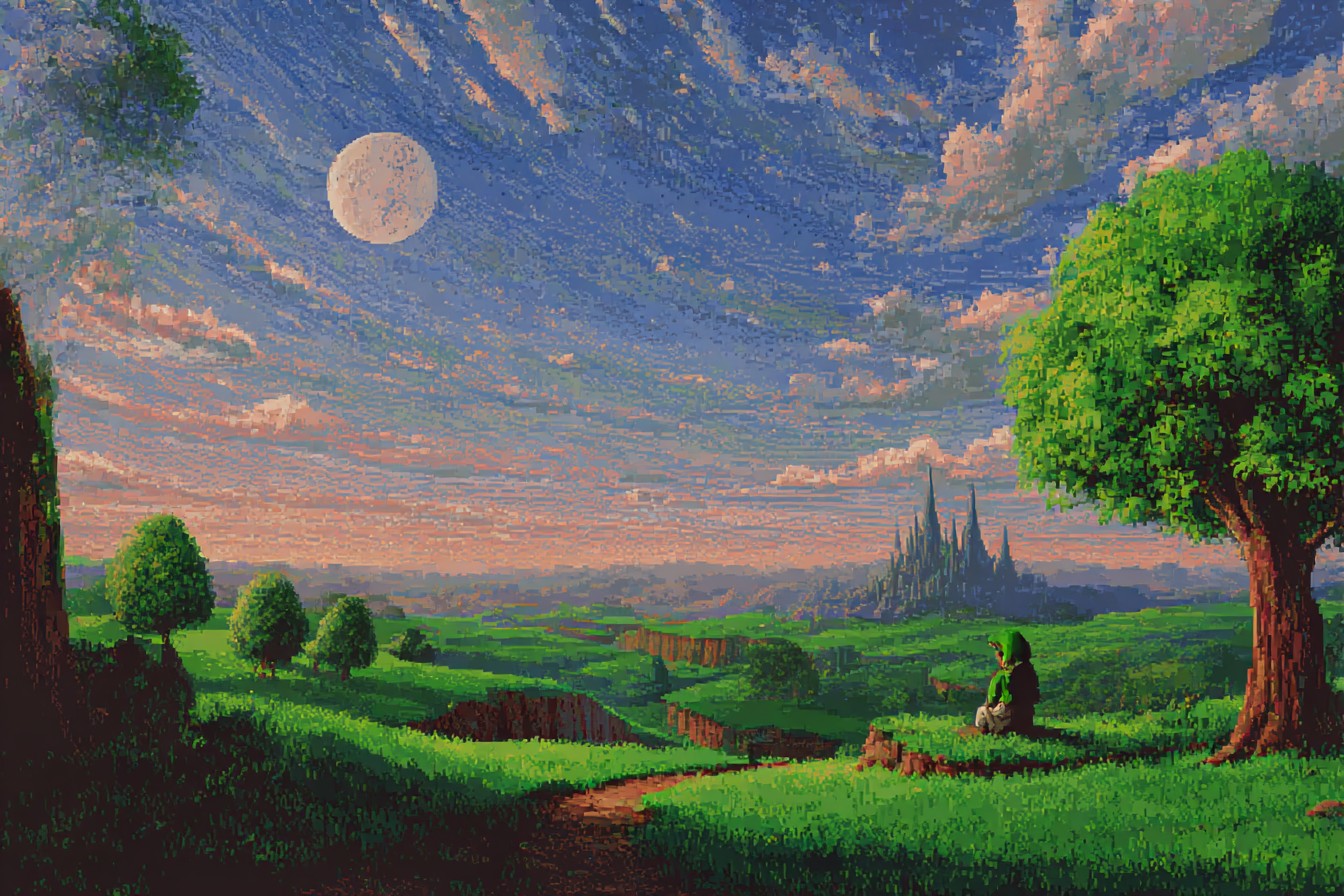
Both games understood something fundamental about exploration that I didn’t appreciate until much later. It’s not about finding stuff – any game can hide collectibles behind walls. It’s about feeling like you’ve discovered something that was always there, waiting specifically for you. That fairy fountain tucked away in Kakariko Village felt like a personal secret between me and the developers. Being able to climb Death Mountain just to stand at the top and look around? Revolutionary.
I’ve played both on every platform they’ve appeared on since. GameCube collector’s edition, 3DS remasters, Switch versions – each has its advantages. The 3DS versions added quality-of-life improvements I genuinely appreciate. Being able to map the iron boots to a button instead of diving into menus every thirty seconds was a godsend for the Water Temple. But there’s still something about playing them on original hardware, with that slightly mushy N64 controller and a proper CRT telly, that feels correct.
The graphics have aged about as well as milk, I’ll grant you that. Link’s face in the original Ocarina looks like it was carved from soap by someone wearing boxing gloves. Majora’s Mask still chugs like a dying engine in certain areas. But when I’m standing in the Lost Woods listening to Saria’s Song drift through the trees, I’m not thinking about polygon counts. I’m thinking about how this felt like actual magic when I was in my twenties, and how it still feels like magic now that I’m pushing fifty.
These aren’t just great games – they’re evidence that the medium could mature without losing its soul. They’re why I still get excited about what interactive entertainment might become, why I still believe in the power of digital storytelling. Some cartridges contain code and assets. These two contain living, breathing worlds that refuse to die. That’s not just excellence – that’s something approaching immortality.

John grew up swapping floppy disks and reading Amiga Power cover to cover. Now an IT manager in Manchester, he writes about the glory days of British computer gaming—Sensible Soccer, Speedball 2, and why the Amiga deserved more love than it ever got.