My mate Dave called me yesterday asking about "blast processing," and I had to laugh. Not at him, mind you—but at the memory of teenage me parroting that marketing phrase like it was technical scripture. Course, back then I couldn't tell you what processing actually meant beyond "makes Sonic go fast," but bloody hell did it sound impressive when you were trying to convince your SNES-owning mates that your Mega Drive was the superior machine.
The Genesis—or Mega Drive as we called it in the UK—landed in my life around 1991, thanks to a particularly generous Christmas and parents who'd finally accepted that video games weren't going to kill my brain cells any more than Saturday morning cartoons already had. That black plastic wedge with its curved edges looked properly space-age sitting next to our chunky wood-grain telly. The controller felt substantial in a way the Master System's never did, those three chunky buttons begging to be mashed.
But it was the sound that really got me. That Yamaha chip—the YM2612, though I learned that name years later—had this metallic bite that made everything feel urgent. When Sonic's shoes hit the checkered ground in Green Hill Zone, it wasn't just a sound effect. It was a statement. This wasn't Nintendo's friendly bleeps and bloops; this was rock and roll translated into sixteen bits.
I remember the first time I heard Ecco the Dolphin's soundtrack. Proper goosebumps, that. Spencer Nilsen's ambient compositions flowing through that FM synthesis made my bedroom feel like an underwater cathedral. Mum kept asking why I was playing "that whale music" so loud, but she didn't understand—this was what the future sounded like.
Streets of Rage became my after-school ritual. That Yuzo Koshiro soundtrack still lives rent-free in my head; synthetic drums that hit harder than anything I'd heard outside an actual nightclub. Which, at fourteen, wasn't saying much since my clubbing experience extended to the village hall disco and youth club nights where they played Now That's What I Call Music compilations. But still—those bass lines made me feel like I was controlling some leather-jacketed hero in a cyberpunk movie I wasn't old enough to watch.
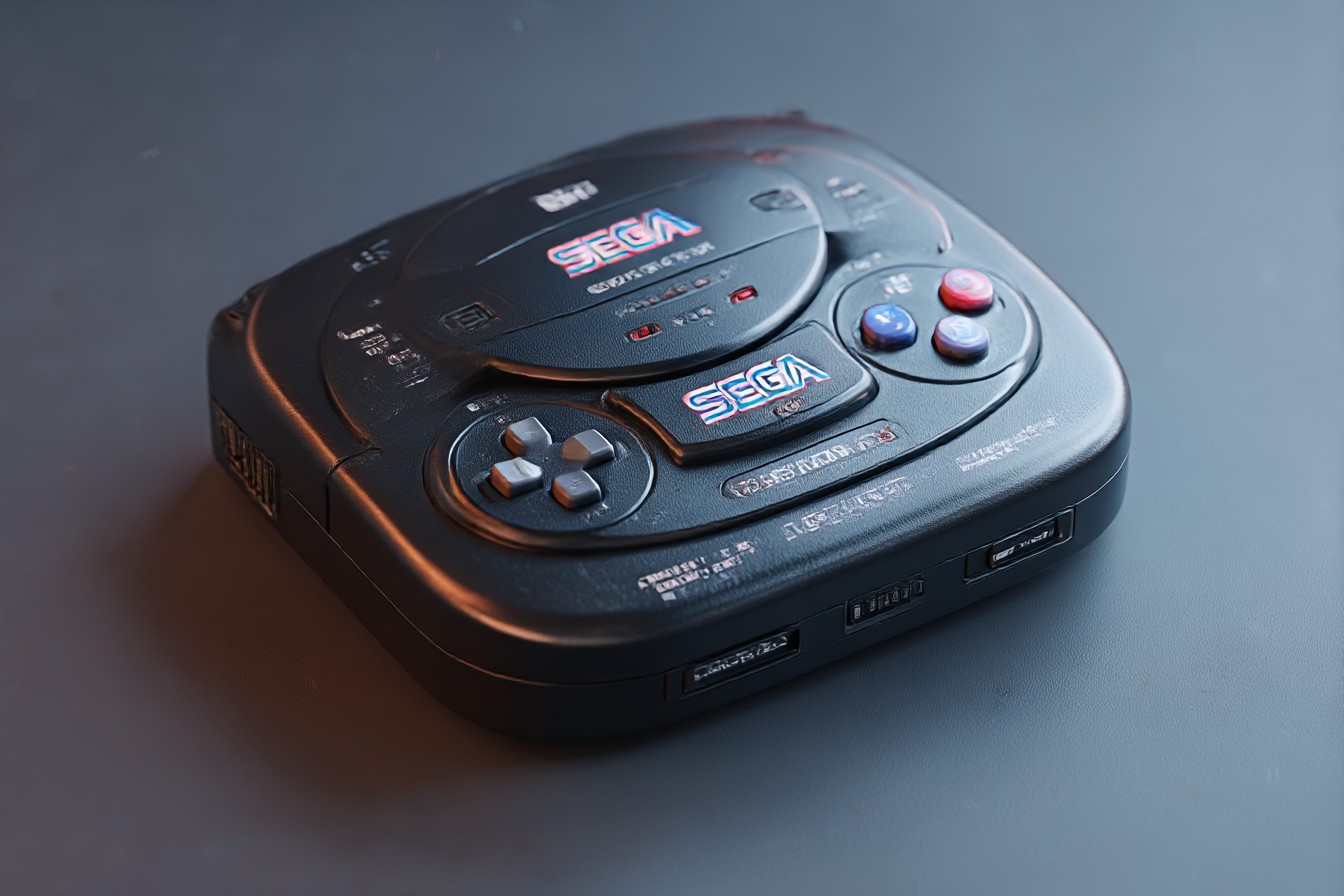
The six-button controller was a revelation when it arrived. Street Fighter II finally felt proper on a home console, not like some compromised afterthought. I spent hours in training mode learning Ryu's hadoken motion, wearing a groove into that d-pad until it clicked like a mechanical keyboard. My thumb still remembers the exact pressure needed to nail Blanka's rolling attack without accidentally jumping.
Gunstar Heroes absolutely melted my brain the first time I saw it. Four players shooting in eight directions with weapons that combined and recombined—it was like Treasure had taken everything good about arcade shooters and said "right, what if we made it completely mental?" The screen would be absolutely rammed with sprites, explosions layered on explosions, and somehow the thing never slowed down. That's when I started understanding what all that technical chat actually meant.
My cousin had a SNES, and the playground wars were real. He'd come round with Super Metroid, and I'd have to admit that Nintendo's machine could do atmosphere in ways the Mega Drive couldn't quite match. Those soft, filtered sounds and the way Mode 7 made the planet rotate—proper wizardry. But then I'd stick on Sonic 2's Chemical Plant Zone, and that aqua-blue backdrop with its impossible geometry would remind him why Sega did cool differently.
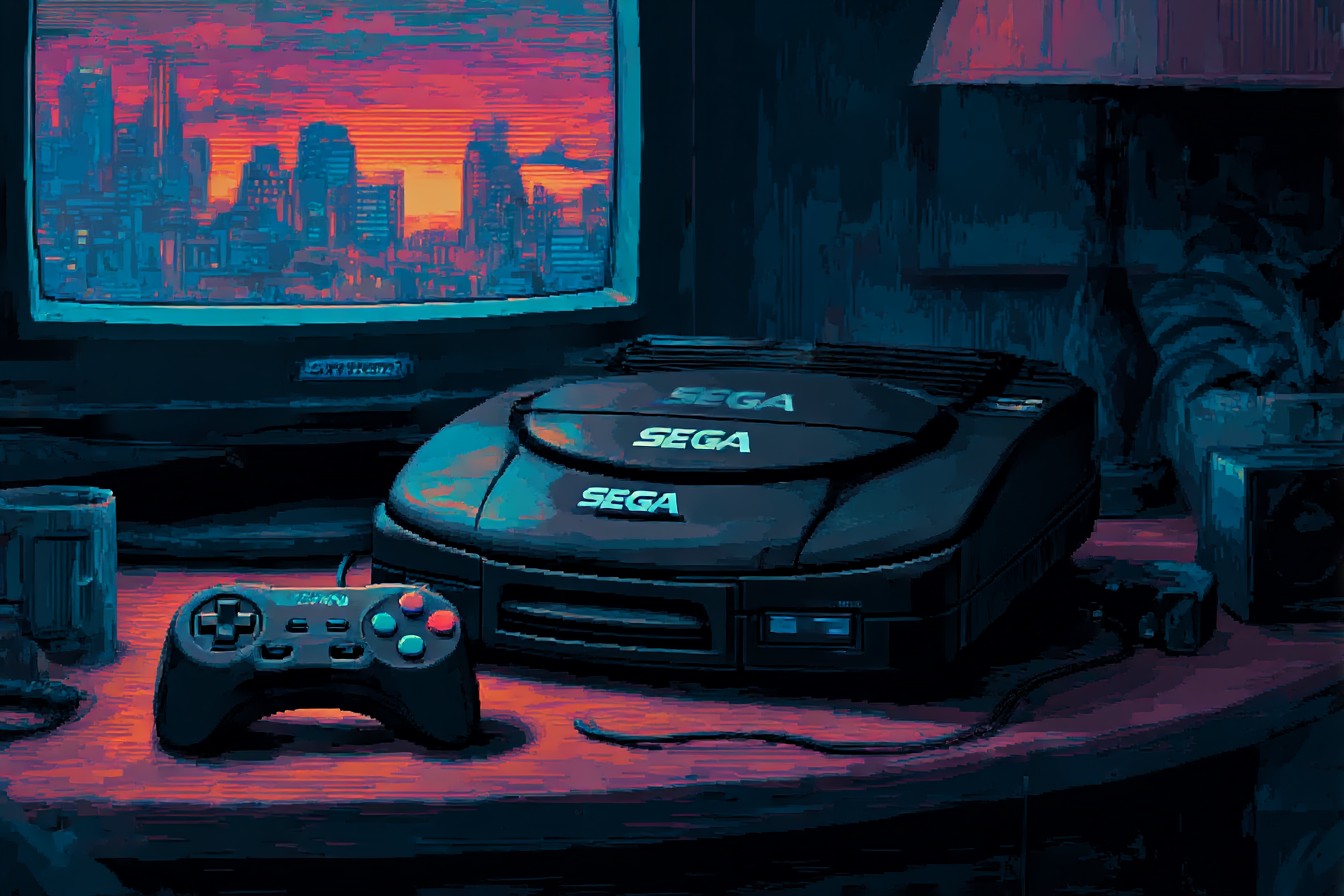
The add-ons were where things got properly mad. The Mega CD sat underneath like some sort of technological growth, doubling the height and adding a motorized disc tray that made the whole setup look like it belonged in a laboratory. Sonic CD's time travel mechanics and that absolutely banging soundtrack—both the Japanese and US versions had their merits, though I'll die on the hill that "Sonic Boom" is a proper tune.
Then came the 32X, that black mushroom of ambition that plugged into the cartridge slot and somehow convinced my parents to shell out another hundred and fifty quid. Star Wars Arcade running on that thing felt like having the Death Star trench run in your living room. Doom looked rougher than the PC version, sure, but it was Doom on a console in 1994. That counted for something.
I learned about import gaming through the Mega Drive. Japanese carts looked identical but had those little plastic tabs that stopped them fitting in European machines. Twenty minutes with a craft knife soon sorted that problem, though explaining to mum why I was dismantling expensive electronics required some diplomatic skills. Alien Soldier, Pulseman, Monster World IV—these games felt like secret knowledge, shared through dodgy forum posts and blurry magazine scans.
The homebrew scene that emerged years later proved the machine still had secrets to give up. When someone figured out how to make the system display more than 64 colors simultaneously, it felt like archaeologists discovering a lost civilization. Pier Solar, that massive RPG that came out in 2010, showed what the hardware could do when programmers really understood its quirks.
I still fire up my original Mega Drive regularly. Had to replace the power supply a couple years back—that old transformer brick finally gave up the ghost—but the main unit soldiers on. The RF switch lives in a drawer now; RGB SCART through my OSSC gives those pixelated sprites the crisp digital love they deserve. Though sometimes I'll plug in the RF lead just for the nostalgia hit of that slightly fuzzy, warm picture quality.
The games library was properly mental when you look back at it. Platformers that redefined speed, shooters that pushed sprite limits, RPGs that told stories across multiple discs. Phantasy Star IV's hand-drawn manga cutscenes still look gorgeous today. Ecco the Dolphin was basically an interactive alien abduction story disguised as a nature documentary. ToeJam & Earl was hip-hop comedy gold wrapped in roguelike mechanics nobody called roguelike yet.
What strikes me now is how confident it all felt. Sega wasn't trying to be Nintendo; they were being Sega, louder and faster and cooler. The advertising campaigns were proper cheeky—"Genesis does what Nintendon't" wasn't just marketing copy, it was a declaration of war fought in living rooms across the world.
That sixteen-bit era represents something special in gaming history. Before DLC and patches and always-online requirements. When a game was finished when it shipped, bugs and all. When blast processing was just marketing fluff that somehow captured the genuine excitement of pushing hardware further than anyone thought possible.
My hairline's definitely retreated since those days, but the memories remain pixel-perfect.