The sound of that Sega logo hitting—you know the one, that crisp "SEGAAA" announcer—still makes my ears perk up like I'm twelve again and someone just announced pizza for dinner. But nothing prepared me for the first time I loaded up Batman on the Genesis. Not the NES version with its purple Joker and questionable physics. This was different. This was *dark*.
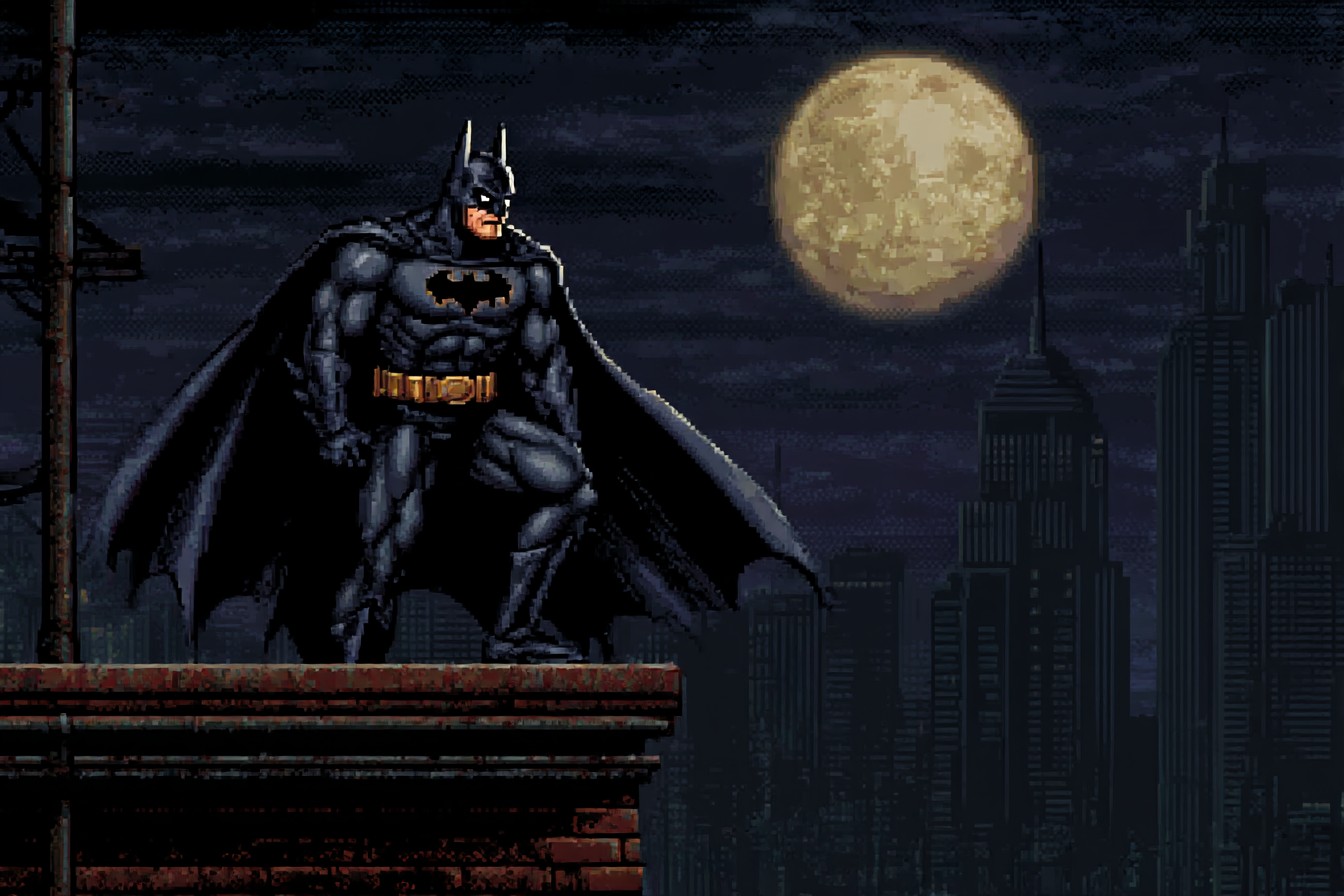
See, when you grew up watching Adam West's campy Batman reruns on afternoon telly, Tim Burton's 1989 film felt like someone had taken your childhood and run it through a gothic architecture filter. And the Genesis game? Christ, it was like playing inside that movie. The sprites were chunky, sure, but they had this weight to them that the NES version completely missed. Batman didn't just walk across Gotham—he stalked through it, cape flowing behind him like liquid shadow rendered in 16-bit glory.
I remember renting it from the local video shop on a Friday night, the kind of place that smelled like carpet cleaner and had those massive plastic cases that made every game feel important. Mum gave me the usual lecture about returning it on time while I nodded impatiently, already mentally planning my weekend around Gotham City's crime-infested streets. The bloke behind the counter—always wore the same Metallica t-shirt, had this knowing grin when kids picked up anything remotely violent—slipped me a piece of paper with the level select code. "Don't tell your mum," he whispered, like he was passing state secrets.
That first level in the chemical plant? Atmospheric doesn't begin to cover it. The Yamaha sound chip was doing things that shouldn't have been possible—those industrial beats, the way Batman's footsteps echoed against metal grating. I'd played plenty of beat-em-ups by then (Streets of Rage 2 was practically my religion), but this felt different. Less arcade-y. More… cinematic, if that makes sense for something running on a black plastic box under the telly.
The combat system was brilliant in its simplicity. Three attack buttons—punch, kick, and that beautiful cape swirl that could knock multiple enemies flying. But here's what separated it from every other brawler: Batman felt genuinely dangerous. When you connected with a combo, enemies didn't just flash and disappear. They crumpled. They stayed down. There was this satisfying weight to every hit that made you feel like you really were Gotham's protector dispensing justice with your fists.
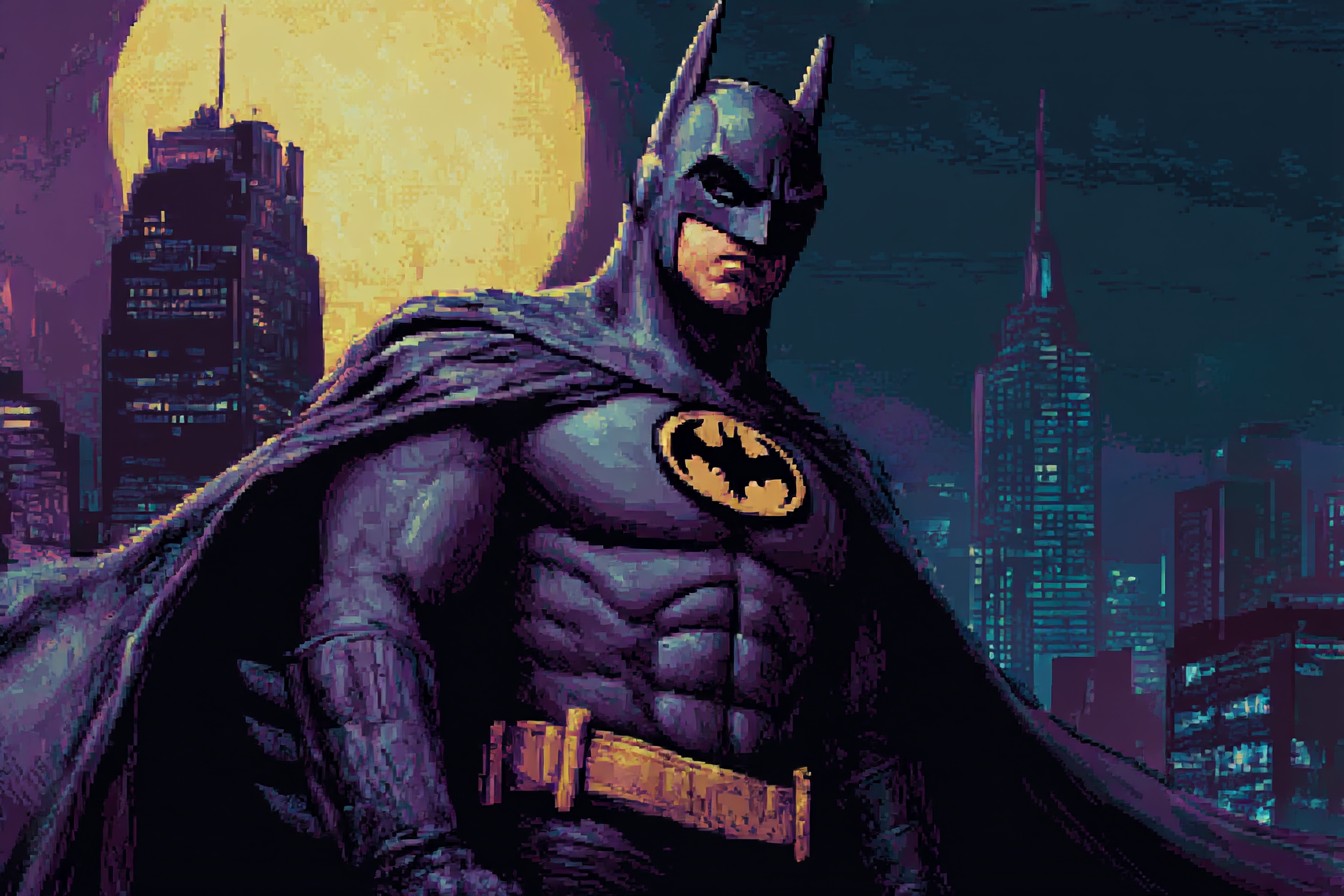
Then Batman Returns came along, and bloody hell, that was a different beast entirely. Based on Burton's second film, it had this noir atmosphere that made the first game look positively cheerful. The graphics were sharper, more detailed. Catwoman looked exactly like Michelle Pfeiffer (well, as close as 16-bit sprites could manage), and the Penguin's army of circus freaks was genuinely unsettling. I mean, proper creepy stuff for a kid's game.
But it was the sound design that really got under my skin. That Elfman-inspired soundtrack coming through the Genesis's distinctive metallic twang… it was like Halloween and Christmas had a baby, and that baby grew up to fight crime in a bat costume. The way Danny Elfman's orchestral themes translated to FM synthesis shouldn't have worked, but somehow it created this unique atmosphere that was neither arcade nor console—it was pure Dark Knight.
The gameplay had evolved too. Batman Returns introduced proper combos, grappling moves, even environmental attacks. You could grab enemies and slam them into walls, knock them down manholes, use the cape for defense and offense. It felt like a proper superhero power fantasy, not just another side-scrolling punch-fest. And the boss fights—Christ, the boss fights. The Penguin himself was this massive sprite that took up half the screen, surrounded by his mechanical penguins and circus performers.
What really impressed me, looking back, was how these games captured the essence of Burton's Batman without falling into the usual movie tie-in trap of being complete rubbish. These weren't quick cash grabs rushed out to coincide with cinema releases. They were proper games, with thought put into how Batman should move, how combat should feel, how Gotham should look rendered in pixels and sound chips.
The attention to detail was mental. Batman's cape would billow realistically as he walked. His grappling gun actually functioned like a tool, not just a cosmetic animation. The various thugs and villains had distinct attack patterns and personalities. Even the backgrounds told stories—you could see into Gotham's windows, spot details in the architecture that made the city feel lived-in rather than just painted backdrops.
And then there was the difficulty. These weren't kiddie games disguised as superhero adventures. They were proper challenging, the kind where you'd spend entire Saturday afternoons trying to get past a single boss. The Penguin's lair in Batman Returns probably cost me more continues than I care to admit, but that just made finally beating him feel like a genuine achievement. No participation trophies here—you earned every victory through timing, pattern recognition, and occasionally throwing your controller at the sofa in frustration.
The Genesis had this knack for taking licensed properties and somehow making them better than they had any right to be. While other consoles were getting lazy movie adaptations, Sega's machine was producing games that felt like they belonged in the same universe as the films but weren't limited by them. These Batman games weren't trying to retell Burton's stories beat for beat—they were creating new adventures that felt authentically Dark Knight.
Playing them today, whether on original hardware (my poor old Genesis still soldiers on, though the controller ports are getting temperamental) or through modern emulation, they hold up remarkably well. The graphics have that timeless 16-bit charm, the sound design is still atmospheric as hell, and the gameplay remains satisfying in that immediate, tactile way that modern games sometimes miss in their rush toward complexity.
These weren't just good superhero games or good movie tie-ins. They were good games, period. Dark, atmospheric, challenging, and dripping with that gothic Burton-esque style that defined Batman for an entire generation. Pure gaming gold wrapped in a cape.