I’ve been analyzing gaming hardware since the 1980s, which means I’ve held every controller generation from the original NES pad through modern ergonomic marvels. The question of whether original controllers or modern alternatives are better for retro gaming isn’t simple because it depends on what you’re playing and what matters to you. Some games were designed specifically for their original controllers and simply play better with authentic hardware. Other games work equally well or better…
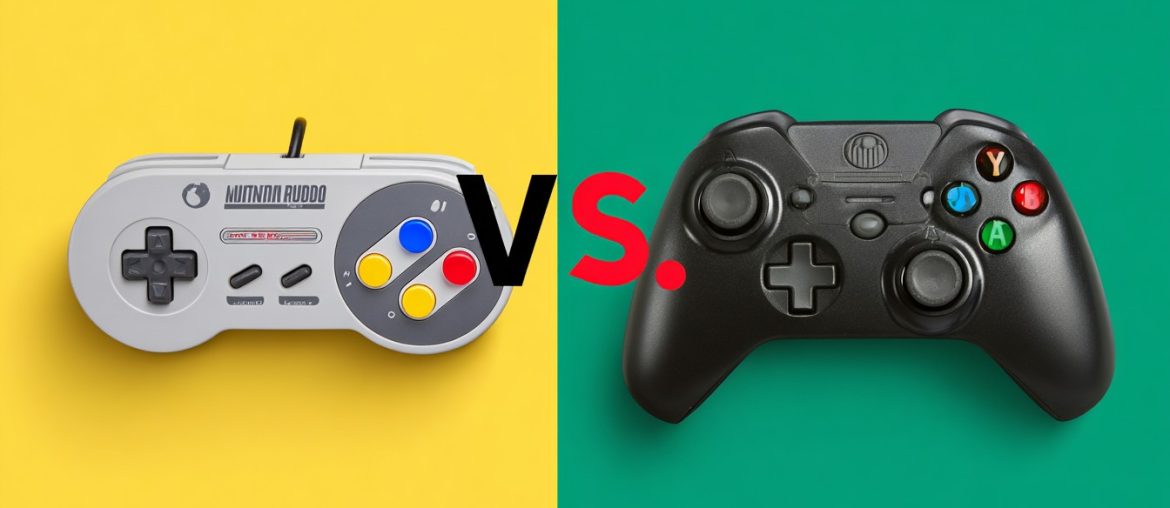
Here’s something I teach in my history classes – the question “which was better” often misses the actual interesting question, which is “why did different people prefer different things?” The SNES versus Mega Drive debate is a perfect example. People spent literal decades arguing about this, and the argument was never about which console was objectively superior. It was about what each console represented and who it served. The Super Nintendo Entertainment System and the…
Carl’s final assessment: Sonic & Knuckles represents everything ambitious about Sega’s approach to 16-bit gaming. The lock-on technology was genuinely innovative. The level design showcased years of learning. The Knuckles campaign offered completely different gameplay from Sonic’s speed-focused approach. This cartridge delivered on every promise about what made the Mega Drive special beyond raw specifications. Released in October 1994, Sonic & Knuckles was technically the second half of Sonic 3, split due to development overruns…
Joe’s hill to die on: Streets of Rage 3 is better than Streets of Rage 2. Yes, I know this is controversial. Yes, I know Carl disagrees. Yes, I know most people prefer the second game’s accessibility. But Streets of Rage 3’s additional complexity, branching paths, and combat depth make it the superior experience for players willing to invest the time to master its systems. Fight me. Released in March 1994, Streets of Rage 3…
Carl moderating, because this game requires discussing technical achievement and absurdist humor simultaneously, and I’m apparently the only one who can do both without getting distracted. Earthworm Jim released in August 1994 as Shiny Entertainment’s debut, combining fluid animation with deliberately weird humor and genuinely creative level design. This was proof that new studios could deliver innovative experiences that established companies hadn’t attempted. The premise was deliberately ridiculous – an earthworm gains a superintelligent suit…
Joe here, and I need to address something that bothered me throughout the 16-bit era: Konami’s apparent favoritism toward Nintendo consoles. The SNES got three mainline Castlevania games while Mega Drive owners watched from the sidelines. So when Castlevania: Bloodlines finally arrived in March 1994, it felt like validation – proof that Konami took Sega’s hardware seriously enough to deliver gothic platforming excellence. This wasn’t a port or a lesser version of something Nintendo got…
Look, we’ve spent three weeks arguing about this list. Joe threatened to leave the group chat twice. Tim asked what a “blast processor” was and we nearly kicked him out. But here we are: the ten Mega Drive games that defined Sega’s 16-bit era, ranked by five middle-aged blokes who still can’t agree on anything. Fair warning – this isn’t some objective, data-driven analysis. This is five gaming veterans with strong opinions, selective memories, and…
Sam analyzing the technical achievement: Phantasy Star IV represents Sega’s most ambitious RPG effort, combining strategic combat depth with manga-style presentation and sci-fi storytelling that differentiated it from fantasy-focused competitors. Released in December 1993 at the premium price of £80, this was Sega betting heavily that their RPG could compete with Square’s output. The commercial reality was harsh – that £80 price tag limited sales significantly. But the game itself delivered on ambition. The combat…
Joe’s take, and yes, I’m still annoyed Carl keeps insisting Revenge of Shinobi was the better game. He’s wrong, and Shinobi III proves it. This is where Sega finally nailed the ninja action formula they’d been refining across multiple games. The controls felt perfect, the level variety stayed interesting, and that surfing level remains one of gaming’s greatest moments. Fight me. Released in July 1993, Shinobi III: Return of the Ninja Master represented the pinnacle…
Carl here, and I need to be honest about something: when Gunstar Heroes released in September 1993, I didn’t fully appreciate what Treasure had accomplished. It looked chaotic, sure, but so did plenty of games. Only after replaying it dozens of times did I realize this wasn’t just another run-and-gun – this was Treasure announcing themselves as the studio that would consistently push hardware beyond what seemed possible. Treasure formed from ex-Konami developers who wanted…