The cartridge slot on my Mega Drive clicked with that satisfying plastic snap that meant business was about to happen. I'd just picked up Alien Soldier from a particularly shady-looking bloke at a car boot sale who claimed it was "just some shoot-em-up thing" his son never played. Twenty quid later, I was holding what would become one of the most punishing, rewarding, and downright mental experiences the 16-bit era ever coughed up.
See, Treasure had this habit of making games that felt like they were built by caffeinated geniuses who'd lost a bet with physics. You know the drill—Gunstar Heroes, Radiant Silvergun, Ikaruga—but Alien Soldier was their love letter to masochism wrapped in pixel art so gorgeous it made your eyes water. This wasn't just another run-and-gun. This was Treasure saying "hold my beer" to the entire concept of what a Mega Drive could do when pushed past its comfort zone.
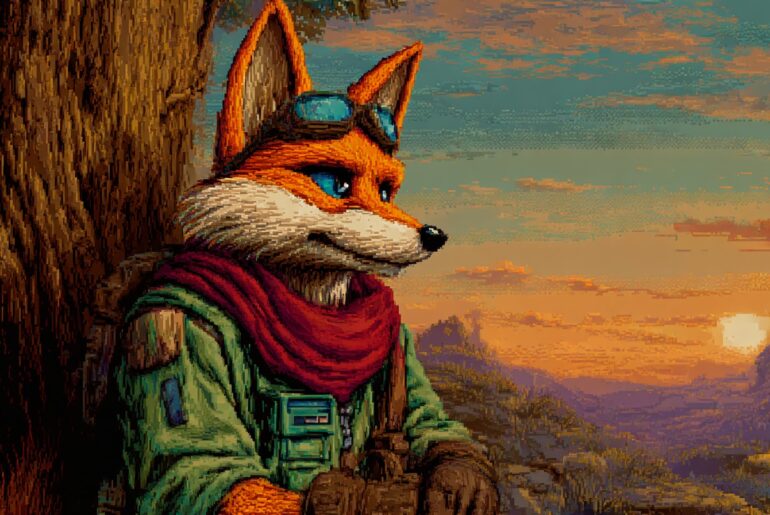
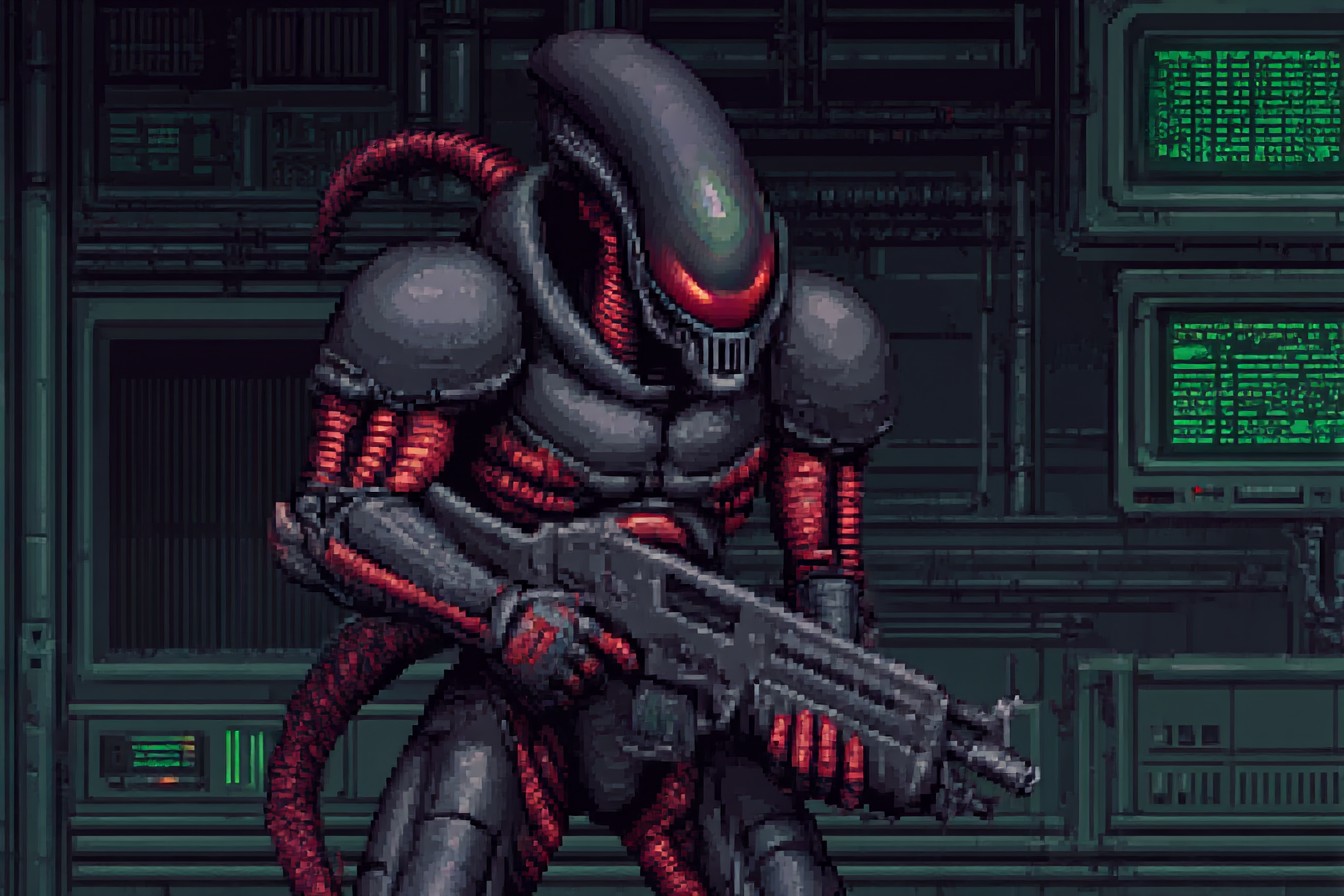
First boot-up, and the screen exploded into this fever dream of bio-mechanical horror. The main character—this insect-like warrior thing called Epsilon-Eagle—looked like someone had asked H.R. Giger to design a Saturday morning cartoon hero after a particularly heavy weekend. The opening cutscene scrolled past in that chunky, lo-fi way that somehow conveyed more atmosphere than half the CGI spectacles we get today. I mean, we're talking about a console that thought blast processing was a marketing term worth shouting about, yet here was Treasure making every pixel count like they were rationing them.
The first level threw me straight into what I can only describe as boss fight bootcamp. No gentle introduction, no tutorial holding your hand—just pure, concentrated videogame violence that demanded you learn its language or die trying. And die I did. Repeatedly. The continue screen became my most visited location, that mocking countdown timer basically laughing at my fumbling attempts to master Epsilon-Eagle's bizarre transformation abilities.
Because that's the thing about Alien Soldier—it's not content to be just one type of game. Your character morphs between six different forms, each with their own movement patterns, attack types, and tactical applications. One minute you're this nimble insect darting around the screen, the next you've transformed into this hulking brute that moves like a tank but hits like a freight train. The game expected you to understand when to use which form, when to prioritize mobility over firepower, when to turtle up and when to go absolutely mental with aggression.
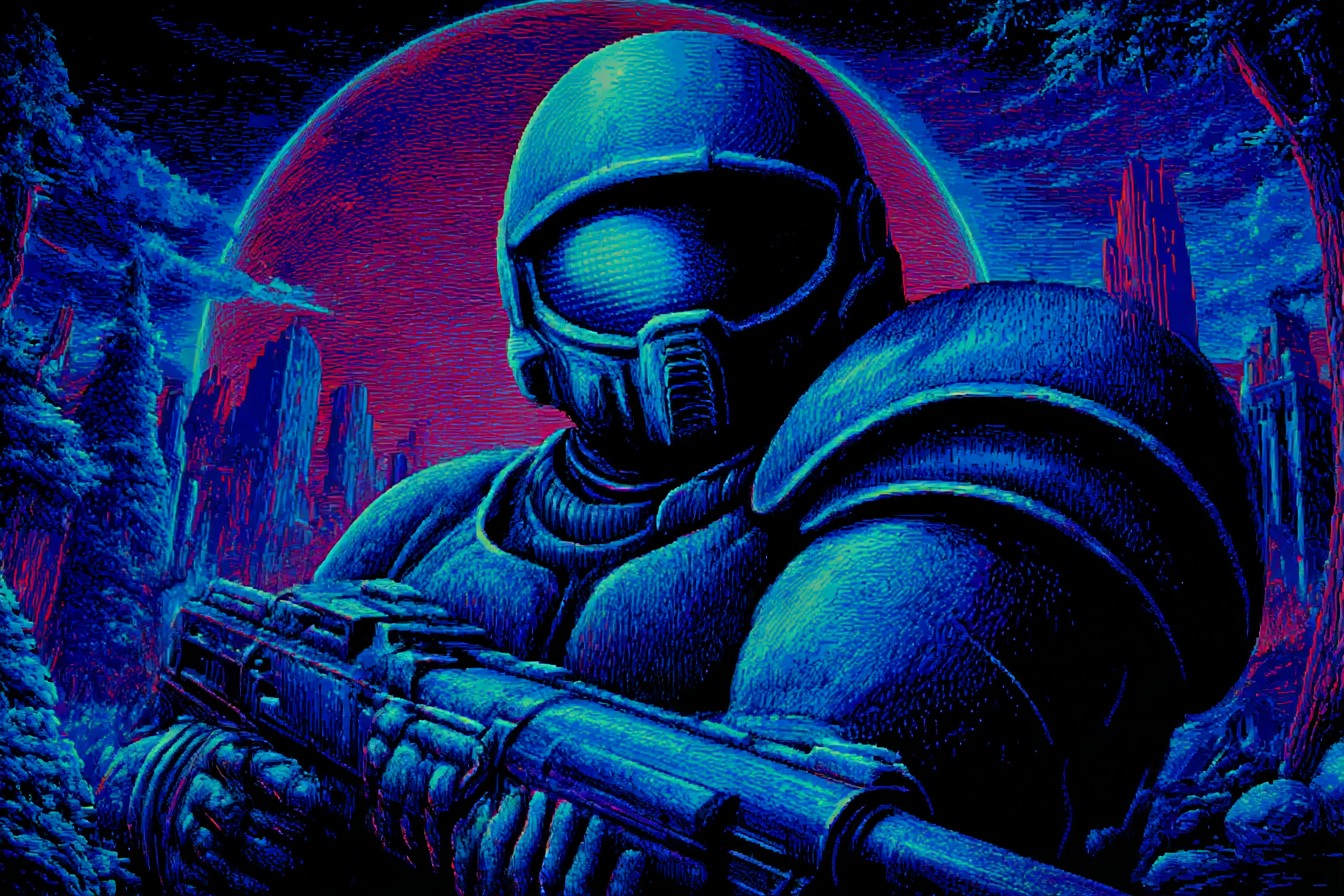
I spent hours—actual hours—dying to the same boss encounters until muscle memory took over from conscious thought. That's when Alien Soldier clicked, when the pattern recognition part of your brain finally caught up with what Treasure was asking of you. It wasn't enough to memorize attack patterns; you had to understand the rhythm of transformation, the flow between forms, the split-second timing that separated success from yet another humiliating game over screen.
The soundtrack deserves its own paragraph because, Christ, what were they thinking? It's this relentless, industrial metal soundscape that perfectly matches the onscreen carnage. The Mega Drive's YM2612 chip—that same bit of silicon that made Streets of Rage sound like the inside of a nightclub—was somehow coaxed into producing these grinding, mechanical symphonies that felt less like video game music and more like the soundtrack to some dystopian factory where they manufacture nightmares. I'd catch myself humming these tunes weeks later, which says something about how deeply they burrow into your skull.
What really got me was how Alien Soldier respected your intelligence while simultaneously beating you senseless. Modern games often mistake difficulty for depth, throwing cheap shots and unfair advantages at you until you give up out of frustration rather than genuine challenge. Alien Soldier was brutal, sure, but it was honest about it. Every death taught you something. Every failure was a lesson in timing, positioning, or form selection. When you finally nailed a boss encounter that had been kicking your teeth in for the past hour, the satisfaction was genuine—you'd earned it through understanding, not luck.
The visual design still holds up today, which sounds mental given we're talking about a Mega Drive game from the mid-90s. But Treasure had this knack for making hardware sing in ways that shouldn't have been possible. The sprite work in Alien Soldier is genuinely artistic—not just functional pixel art, but proper visual storytelling through animation and design. Boss creatures twisted and morphed with this organic fluidity that made them feel alive rather than just pattern-following obstacles. Background details told stories of alien worlds and technological decay without ever getting in the way of the action.
I remember showing it to mates who'd pop round for a session. Most of them bounced off it hard—too demanding, too weird, too unforgiving for a casual Saturday afternoon blast. But the ones who stuck with it? They got it. They understood that Alien Soldier wasn't trying to be friendly or accessible. It was trying to be perfect within its own mad parameters. It was a game that demanded respect and rewarded dedication with experiences you simply couldn't get anywhere else.
Playing it now on my MiSTer setup, through crisp HDMI to a modern display, I'm struck by how timeless the core design feels. Strip away the 16-bit presentation and you've got game mechanics that would work just as well today—that careful balance between different character states, the emphasis on reading enemy behavior, the way each encounter feels like solving a violent puzzle rather than just shooting things until they stop moving.
Alien Soldier wasn't trying to please everyone, and that's precisely why it's aged so well. It knew exactly what it was—a hardcore action game for players who wanted to be challenged, not coddled. In an era where games increasingly worry about accessibility and broad appeal, there's something refreshing about experiencing something so unapologetically demanding. It's Treasure at their most focused, most confident, most willing to say "this is what we made, deal with it."
That twenty quid I spent at the car boot sale? Best gaming investment I ever made.