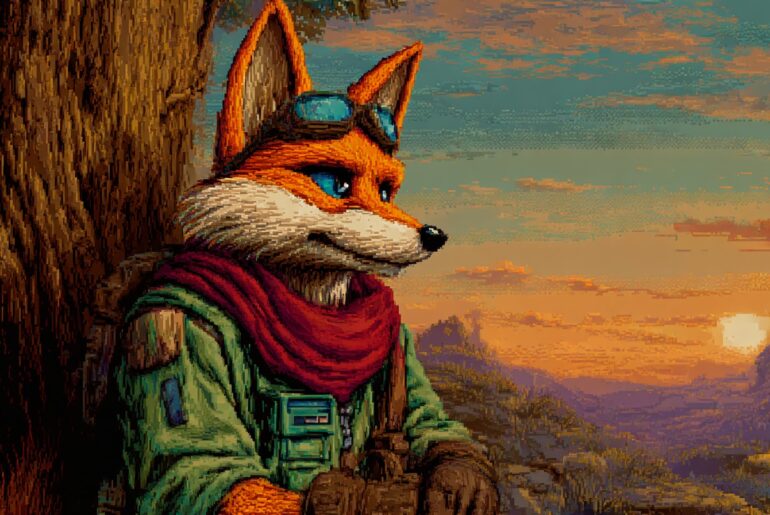
I was digging through my game collection the other night—you know, that annual ritual where you convince yourself you're "organizing" but really you're just reliving the good times—when my fingers found that familiar purple spine. Beyond Oasis. Even after all these years, that cartridge still makes me smile like an idiot.
See, here's the thing about Sega's approach to RPGs in the mid-90s. While Square and Enix were crafting these massive, turn-based epics that demanded forty-hour commitments, Sega went sideways. They made Beyond Oasis, and honestly? It might be the most perfectly designed action RPG nobody talks about anymore.
I picked up my copy in summer '94 from this little independent game shop that smelled like carpet cleaner and broken dreams. The owner—let's call him Dave because that's what his name tag said—he had this habit of playing imports on a tiny CRT behind the counter. When I walked in, he was absolutely demolishing something that looked like Zelda but moved like Streets of Rage. "What's that then?" I asked, trying to sound casual while my wallet was already surrendering.
"Beyond Oasis, mate. Just came in. It's like if Zelda went to the gym and learned how to punch things properly."
Dave wasn't wrong, but that description doesn't capture the magic. Beyond Oasis—or Beyond Oasis: The Story of Thor if you want to get technical about the original title—is what happens when someone understands that action RPGs don't need to be slow. Prince Ali (yes, really) moves with this fluid precision that makes Link look like he's wading through treacle. The animation is gorgeous, all smooth frames and weight that you can feel through the controller.

But the real genius? The spirit system. Instead of collecting swords or buying better armor, you summon elemental spirits. Not in some overwrought cutscene way—I mean you literally call fire, water, earth, and shadow to fight alongside you. Each spirit has its own personality, its own moves, its own tactical applications. Fire burns things (obviously), but also lights torches and melts ice blocks. Water doesn't just attack—it fills empty vessels, grows plants, puts out fires. Earth creates platforms and barriers. Shadow… well, shadow does shadow things, and they're all brilliant.
I spent an embarrassing number of Saturday afternoons figuring out the spirit combinations. You can have multiple spirits active at once, and they interact with each other in ways that still impress me. Water spirit near a fire spirit creates steam that damages enemies. Earth spirit creates a platform that shadow spirit can hide behind. It's not just combat mechanics—it's environmental puzzle-solving that feels organic instead of forced.
The combat itself deserves its own love letter. This isn't button-mashing nonsense. Ali has this martial arts moveset that flows like water—punches, kicks, throws, aerial attacks, all chained together with timing that rewards precision. You can juggle enemies, launch them into walls, combo them into oblivion. It feels like playing a 2D fighting game that someone cleverly disguised as an adventure.
What really got me, though, was the world design. Each dungeon feels purpose-built around the spirit mechanics. The fire temple isn't just "the one with lava everywhere"—it's a space where fire spirit becomes essential for progression, where water spirit creates new paths, where understanding the elemental interactions becomes the key to every locked door and hidden passage. Ancient Boat Games (rest in peace, you beautiful weirdos) crafted levels like clockwork mechanisms, every room a gear that connects to the next.
The boss fights still give me goosebumps. These aren't damage sponges waiting to be depleted—they're puzzles wrapped in spectacular sprite work. The first major boss, this massive mechanical thing in the desert, requires you to use earth spirit to create platforms while dodging attacks, then switch to fire spirit to target weak points, all while managing your spirit energy and positioning. It's chess at 60 frames per second.
I remember calling my cousin Mark after beating the plant boss in the forest dungeon. "Mate, you have to see this fight. The thing grows and shrinks, and you have to use water spirit to make it vulnerable, but only when it's in the right growth phase, and if you mess up the timing…" I probably talked for ten minutes straight about plant AI patterns. Mark bought the game the next day.
The soundtrack deserves mention too. Yuzo Koshiro was already a legend after Streets of Rage, but Beyond Oasis showcased a different side of his genius. These aren't club bangers—they're atmospheric pieces that enhance every moment without overwhelming it. The desert theme is this haunting melody that makes sand dunes feel mystical. The dungeon tracks build tension without being obnoxious about it. Even the sound effects have weight—each punch lands with satisfying impact, each spirit summon has its own audio signature.

Looking back now, Beyond Oasis feels like a road not taken for action RPGs. While the genre went deeper into stats and inventory management, this game proved you could create depth through mechanics instead of menus. Every power-up is immediate and tactile. Every upgrade changes how you play, not just how much damage you deal.
Playing it today—and yes, I've got it running beautifully on my Genesis through an OSSC—it still feels modern. The sprite animation holds up against anything made today. The gameplay loop of exploration, puzzle-solving, and combat still works perfectly. My seven-year-old picked up the controller last month and within minutes was combining spirits like she'd been playing for years. Good design transcends generations, apparently.
The tragedy is how overlooked it remains. While Secret of Mana gets regular re-releases and Zelda gets constant celebration, Beyond Oasis sits quietly in the back catalog like the brilliant kid who never got called on in class. It deserves better. It deserves recognition as one of the finest action RPGs ever made, a game that solved problems most developers didn't even know they had.
So yeah, that purple cartridge is staying right where it belongs—in the front row of my collection, ready for the next time someone asks if the Genesis had any decent RPGs. Beyond Oasis isn't just decent. It's perfection in 16 bits, and I'll die on that hill if necessary.