There's this moment—you know the one—when you're digging through a mate's Genesis collection and you spot something you've never heard of. The cartridge looks official enough, decent art, but the name rings absolutely no bells. That's exactly how I stumbled across Crusader of Centy back in '94, wedged between Sonic 2 and Streets of Rage in my cousin's slightly chaotic game drawer. The label had this kid with a sword and what looked like a dog, and honestly? I nearly passed it by for Golden Axe.
Best mistake I never made.
See, Crusader of Centy hit the Genesis right at that weird twilight period when everyone was already eyeing the Saturn and PlayStation. September 1994 in Japan, and by the time it crawled to North America in 1995, the 16-bit era was basically packing its bags. Atlus handled the localization, which should've been my first clue this wasn't going to be your typical hack-and-slash affair. These were the folks who'd later give us Persona, after all—they understood weird, wonderful RPGs that didn't quite fit the mold.
The opening hits you with this lovely little fairy tale setup. You're Corona—yeah, unfortunate name in hindsight—a fourteen-year-old lad who's just inherited his late father's sword and the family tradition of monster hunting. Except here's the twist that hooked me completely: the moment you pick up that blade, you lose the ability to talk to humans but gain the power to chat with animals instead. It's brilliant, really. Most action RPGs give you a sword and say "go forth, murder everything." Crusader of Centy hands you a weapon and immediately asks whether violence is actually the answer.
I mean, when your first proper conversation is with a dog who explains that maybe, just maybe, the monsters you're supposed to be slaying aren't the real villains… well, that's not your typical Genesis fare, is it?
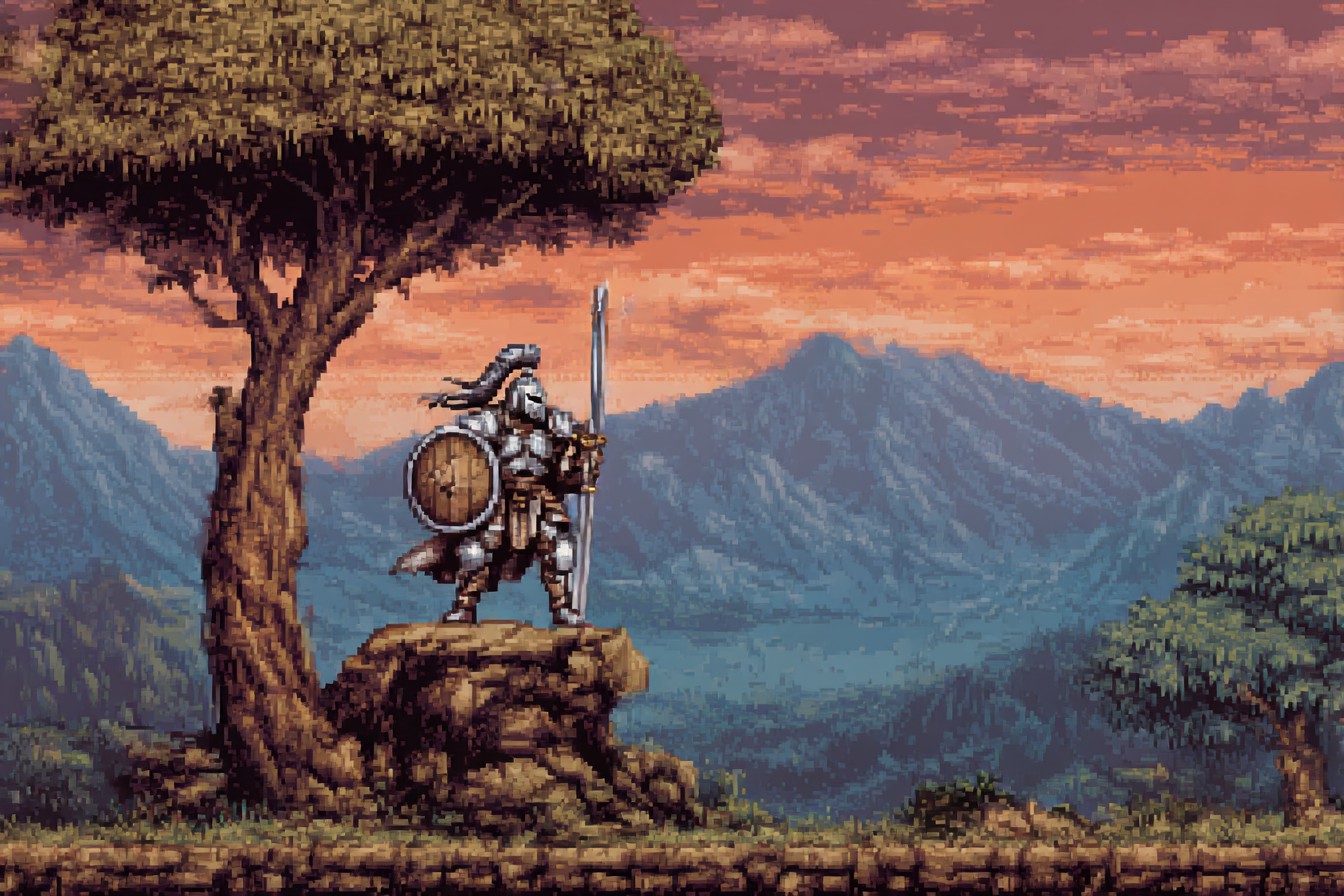
The gameplay sits somewhere between Zelda and Secret of Mana, which sounds like marketing waffle but actually makes perfect sense when you're holding the controller. You've got real-time combat with a sword that swings in four directions—none of this auto-targeting business. The hit detection feels meaty, satisfying in that particular Genesis way where every successful strike has this lovely chunk to it. But here's where it gets clever: your animal companions aren't just following you around for company. They're your equipment.
Johnny the dog becomes your shield. Coronet the penguin—yes, a penguin, don't ask me how he ended up in a decidedly non-Antarctic setting—lets you slide across ice and swim properly. Each animal friend transforms into a piece of gear or grants you an ability, which sounds gimmicky until you realize how seamlessly it all flows together. There's this moment early on where you need to cross a river, and suddenly Coronet's swimming ability isn't just useful—it's essential. The game doesn't stop to explain this with a tutorial box, either. You just… figure it out. Like games used to let you do.
The whole talking-to-animals thing becomes this brilliant storytelling device. Every creature has something to say about the world, about the humans, about this endless cycle of violence between species. It's environmental storytelling before we had a fancy name for it. A mouse might mention how the "heroes" burned down his family's home. A bird could tell you about watching human settlements expand into monster territory. None of it's heavy-handed or preachy—it's just there, painting this picture of a world where maybe the traditional fantasy setup isn't as black-and-white as we thought.
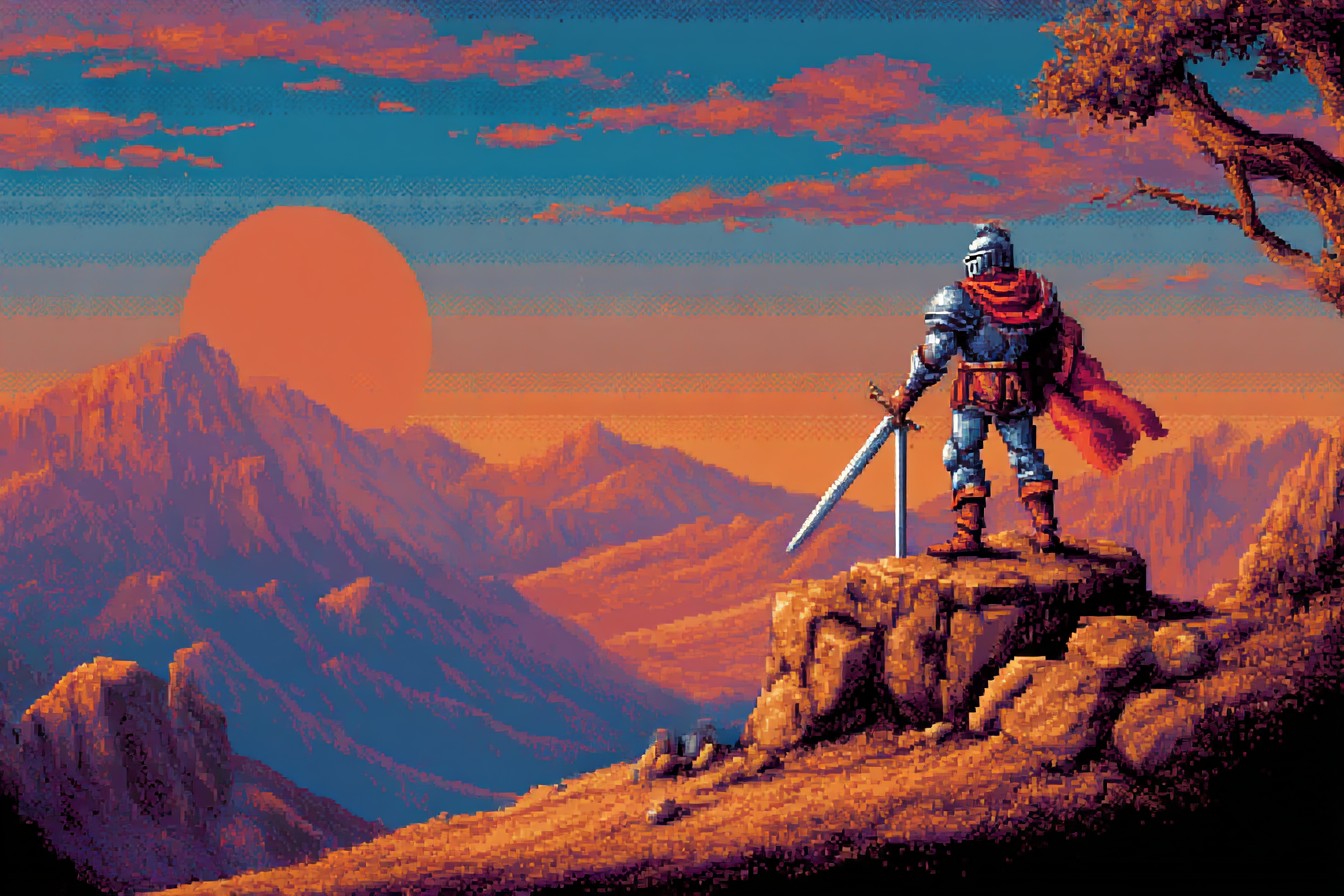
Visually, the game's absolutely gorgeous. Proper 16-bit pixel art with this soft, storybook quality that reminds me a bit of Secret of Mana but with its own personality. The character sprites have this lovely rounded quality, almost like they're made of plasticine. Backgrounds are detailed without being cluttered, and there's this warm color palette throughout that makes even the darker moments feel somehow comforting. The animation work is top-notch too—Corona moves with this bouncy energy that perfectly captures the whole "kid on an adventure" vibe.
But it's the music that really sold me. Shinichi Sakamoto's soundtrack is this wonderful mix of adventurous and melancholy, with tracks that stick in your head for days. The main theme has this whistling melody that somehow manages to sound both heroic and questioning at the same time. Perfect for a game that's constantly asking whether being a hero is worth it. I still catch myself humming it while doing the washing up, thirty years later.
The difficulty curve is spot-on, too. Early areas let you get comfortable with the combat system and animal-swapping mechanics, but by the midgame you're dealing with puzzles that require proper thinking about which companion to use when. There's this ice cave section where you need to switch between three different animals just to navigate a single room, and it never feels tedious because the transformations are instant and the logic is always fair.
What really gets me, though, is how the game handles its central theme. Without spoiling anything, let's just say that by the end, you're questioning everything about the traditional hero's journey. The monsters aren't mindless beasts. The humans aren't innocent victims. And Corona—well, Corona grows up in ways that most video game protagonists never do. It's sophisticated storytelling wrapped up in what looks like a kid's adventure game.
The tragedy is how few people played it. Timing killed this one—released too late in the Genesis lifespan, with minimal marketing, competing against the hype for next-gen systems. Even today, original copies go for silly money on eBay, and the ROM translation scene has kept it alive better than any official re-release. It got a PlayStation 2 remaster in Japan in 2004, but good luck finding that without paying import prices.
If you've got access to it somehow—through perfectly legal means, obviously—it's absolutely worth your time. Especially if you grew up on Zelda and want something that captures that sense of adventure while telling a more mature story. Just don't expect to finish it in a weekend. This is the sort of game that rewards taking your time, talking to every animal, exploring every corner of its beautifully crafted world.
Sometimes the best treasures are the ones hiding in plain sight.