You know what's funny? I can pinpoint exactly when my relationship with stress changed forever. It wasn't meditation, wasn't therapy, wasn't even that weird breathing app everyone keeps recommending. It was a plastic cartridge shaped like a tiny grey brick, and it taught me that sometimes the best way to solve real-world problems is to plant virtual turnips.
Harvest Moon 64 landed in my life during what I'll diplomatically call my "quarter-life crisis before quarter-life crises were trendy" phase. I was working retail – you know the drill, standing behind a counter watching people argue about return policies while your soul slowly evaporates. My flatmate at the time had this N64 setup in our cramped living room, controller cables snaking across carpet that'd seen better decades. One evening, exhausted from another day of explaining why we couldn't accept returns without receipts, I grabbed that weird three-pronged controller and booted up what looked like the most boring game in his collection.
Big mistake. Massive mistake. The kind of mistake that costs you entire weekends and makes you call in "sick" because you absolutely must check on your cows.
Here's the thing about Harvest Moon 64 – it doesn't grab you by the throat like other games. No explosions, no boss fights, no frantic button mashing. Instead, it slides into your brain sideways, through the same mental backdoor that makes you check your phone one more time before bed. One minute you're thinking "this is daft, I'm just watering vegetables," and the next you're planning crop rotation strategies during your actual lunch break.
The genius – and I mean proper, unhinged genius – is how it makes routine feel revolutionary. Every morning starts the same way: wake up, check the weather, grab your tools. Water crops, feed animals, maybe chat with someone in town. But within that structure, there's this beautiful chaos of choice. Do you focus on crops for quick cash, or invest in animals for steady income? Do you spend your energy mining for ore, or fishing at the lake? Do you give that blue feather to Ann or Karen, and why does this decision feel more stressful than actual dating?
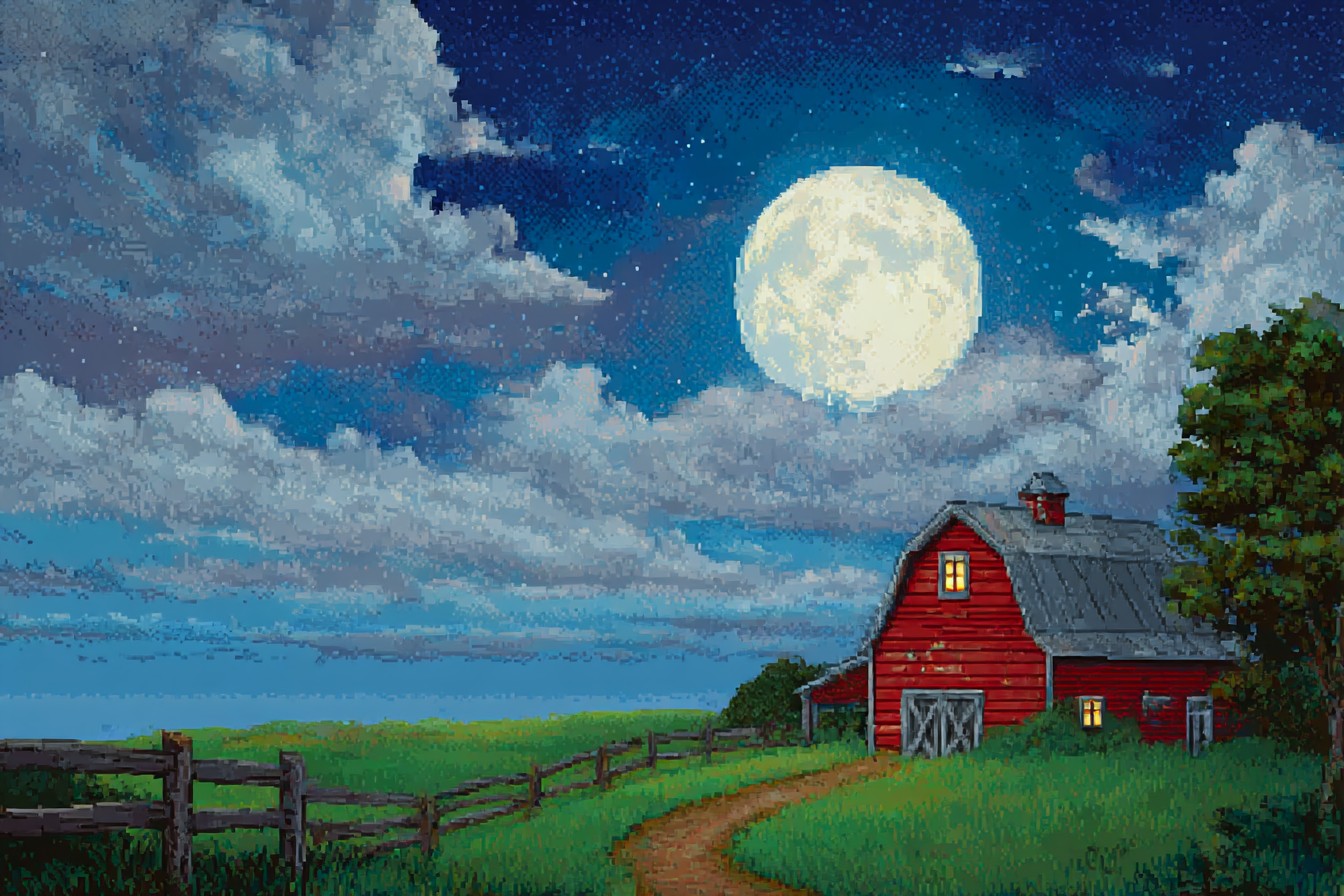
I remember the first time one of my cows got sick. Proper panic, like I'd failed at parenting. Rushing to the animal shop, buying medicine, administering it with the sort of care usually reserved for actual living creatures. When the cow recovered, I felt genuinely proud. Of pixels. Of a collection of ones and zeros that went "moo" when you pressed A.
That's when I realized something profound was happening here. This wasn't just a game – it was therapy disguised as farming simulation.
See, in the real world, everything felt chaotic. Bills to pay, bosses to appease, relationships that seemed to require constant maintenance manuals I'd never received. But in Harvest Moon Valley, cause and effect made perfect sense. Water plants, they grow. Feed animals, they're happy. Be nice to people, they like you more. Simple. Measurable. Fair.
The seasonal cycle became my meditation timer. Spring was always hope – new crops, fresh starts, that feeling of potential energy crackling in the air. Summer meant abundance, long days, the satisfaction of harvests paying off. Fall brought preparation, storing up for harder times ahead. Winter? Winter was reflection time, planning for the next year while watching snow fall on quiet fields.
I started looking forward to in-game seasons more than real ones. Pathetic? Maybe. Therapeutic? Absolutely.
The social aspect hooked me harder than I expected. These weren't complex conversation trees or branching storylines – just simple interactions with townspeople who had their own schedules, their own likes and dislikes. Ann liked flowers. The blacksmith appreciated ore. The shopkeeper got grumpy if you bothered him too early. Basic stuff, but somehow more emotionally coherent than most of my actual relationships at the time.
Building friendships felt achievable here. No hidden agendas, no social anxiety about saying the wrong thing. Just consistent kindness rewarded with consistent warmth. Revolutionary concept, right?
The cooking system was another rabbit hole entirely. Finding recipes, growing ingredients, creating meals that made people happy – it was like being a wizard whose spells involved turnips and mayonnaise. I kept notebooks. Actual paper notebooks with planting schedules and gift preferences scribbled in margins like I was studying for finals.
My flatmate thought I'd lost it completely when he caught me checking the in-game clock at 2 AM, making sure I hadn't missed the morning shipping deadline. "It's not real," he kept saying. "The turnips aren't real." But that was exactly the point – the turnips were real enough to matter, simple enough to succeed at, and predictable enough to provide genuine comfort.
Years later, I understand what Harvest Moon 64 actually taught me. It wasn't about farming or dating simulation or even stress relief, though it delivered all of those. It was about finding joy in routine, satisfaction in small accomplishments, peace in predictable rhythms. It was about understanding that sometimes the most profound experiences come from the gentlest interactions.
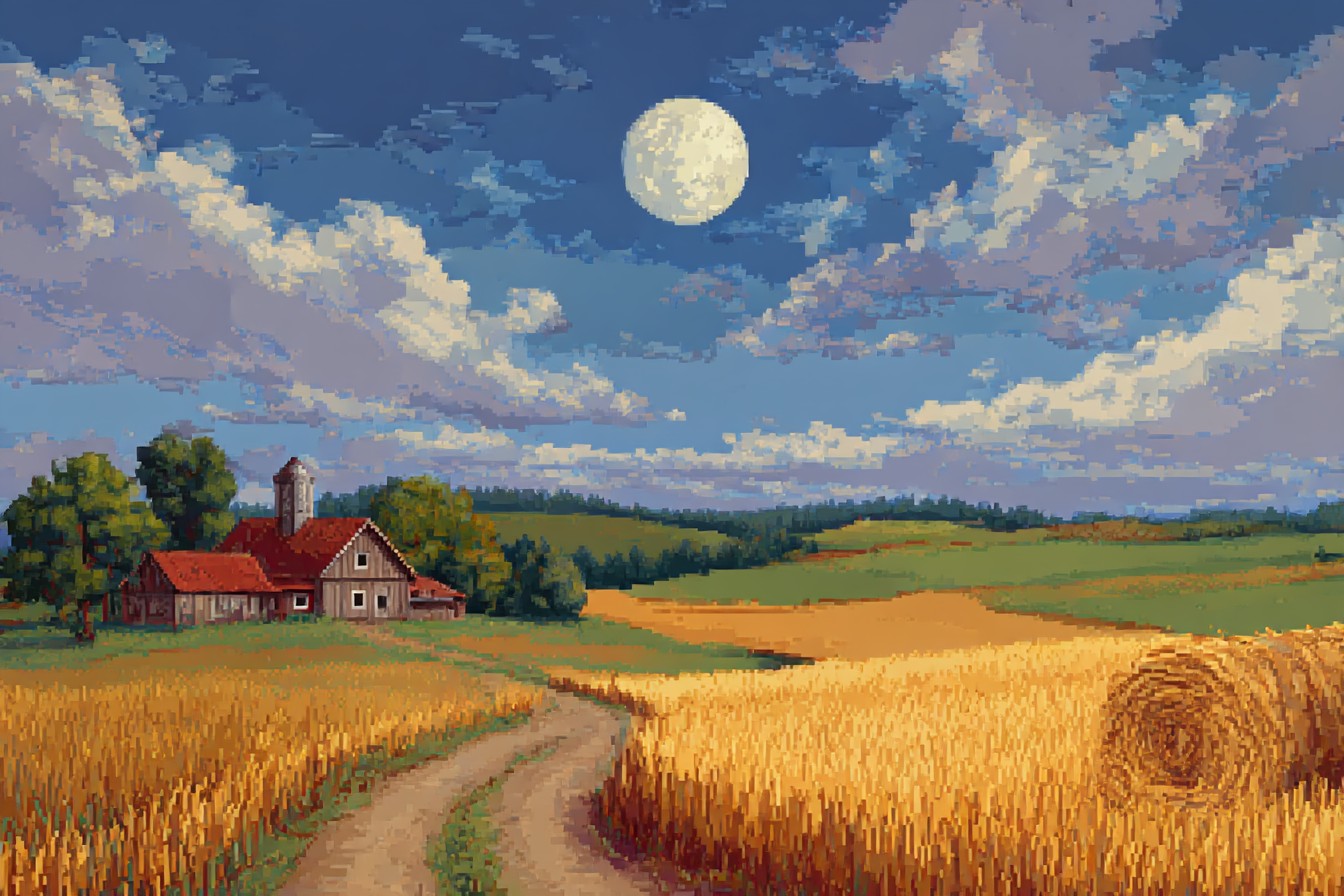
I still boot it up occasionally, usually when life feels particularly messy. The graphics haven't aged gracefully – those blocky character models look like they're made from digital Lego – but the core experience remains untouched by time. There's still something magical about that first morning in your inherited farm, looking out at overgrown fields and thinking "I can make something beautiful here."
Modern farming sims have better graphics, more complexity, deeper systems. But they're solving problems Harvest Moon 64 never had. This wasn't trying to be realistic or comprehensive or educational. It was trying to be peaceful. And in a world that seems increasingly designed to steal your calm, that feels more valuable than ever.
The N64 cartridge sits in my collection now, gray and slightly yellowed, looking deceptively innocent among flashier games. But I know its secret power. Twenty minutes with those pixelated crops and I'm centered again, reminded that not everything needs to be complicated to be meaningful.
Sometimes the best medicine comes in the simplest packages. Sometimes zen arrives wearing overalls and carrying a watering can.