Three controllers dangling from extension cords, the fourth player holding a mad-looking three-pronged contraption that looked like it escaped from a science lab—that's my clearest memory of the N64 launch window. My mate Dave had somehow convinced his parents that 64-bit was "educational technology," and suddenly his living room became mission control for what felt like the future of gaming.
Looking back now, the Nintendo 64 wasn't just another console generation. It was the machine that taught an entire generation how to think in three dimensions. Before Mario grabbed that first star and spun it around his gloved fingers, most of us were still thinking in left-right-jump. The N64 said "what about forward-backward-camera-swing-oh-god-I'm-lost?"
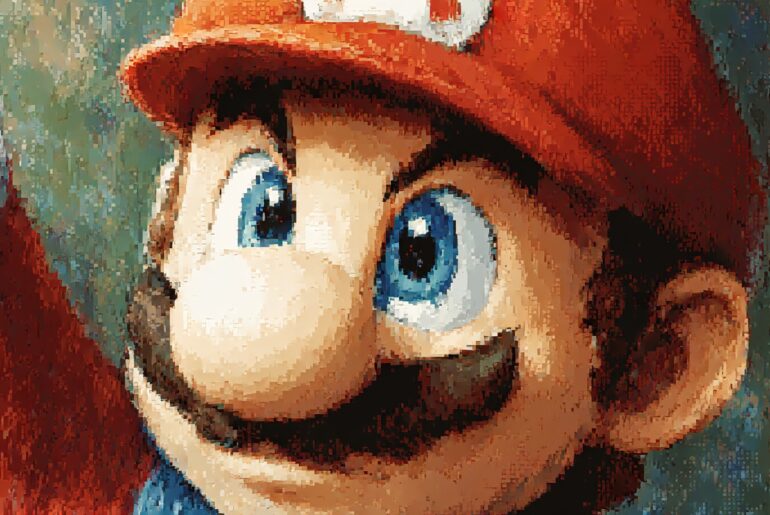
Super Mario 64 hit like a revelation wrapped in Italian plumber clothing. I can still feel that analog stick under my thumb—not the mushy approximation of 3D movement we'd gotten before, but actual, precise control that felt connected to Mario's feet. The camera? Revolutionary doesn't cover it. Being able to swing the viewpoint around Peach's castle courtyard was like suddenly gaining peripheral vision. And that file select screen… Mario's face, all polygonal and eager, responding to the analog stick like he knew you were there. Genius.
But here's what really got me: the way the N64 made bad games feel impossible. Not because everything was perfect (trust me, we'll get to Superman 64 eventually), but because the system itself felt so capable. When a game clicked, it really clicked. GoldenEye 007 turned my teenage social life into a four-way arms race where "no Oddjob" became sacred law and screen-watching was both forbidden and absolutely unavoidable. We'd spend entire Saturday afternoons in split-screen deathmatches, arguing about who got the rocket launcher spawn and whether proxy mines in the bathroom was technically cheating.
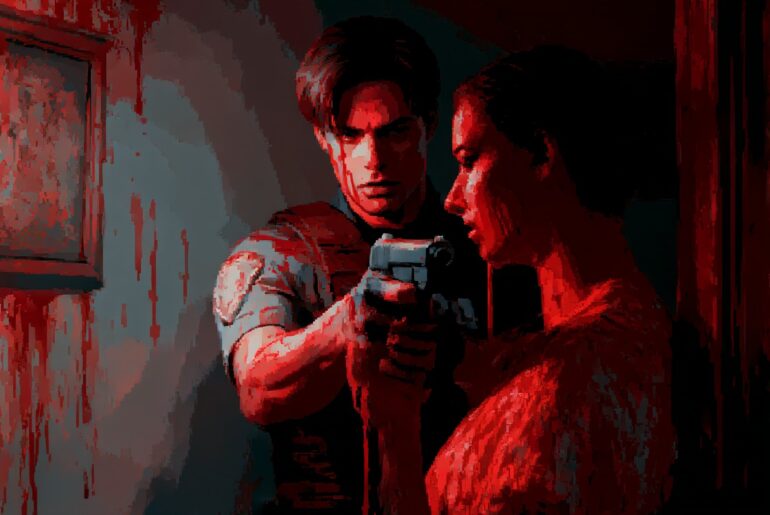
Then Rare decided to show off with Perfect Dark, which was basically GoldenEye after attending university. The Expansion Pak—that little grey cartridge that cost more than some full games—suddenly became essential hardware. Without it, Perfect Dark looked like it was running through treacle. With it? Buttery smooth alien conspiracy with laptop guns that turned into sentry turrets. I saved up paper round money for months for that Expansion Pak. Worth every penny.

The Legend of Zelda: Ocarina of Time arrived and casually redefined what adventure games could be. Z-targeting wasn't just a lock-on system; it was the Rosetta Stone for 3D combat. Suddenly, circling around enemies felt natural instead of fiddly. And the music… actual ocarina melodies that you played by pressing buttons in sequence. Zelda's Lullaby still gives me goosebumps. Epona's Song makes me want to gallop across Hyrule Field at sunrise. That game didn't just have a soundtrack; it had a musical language.
Mario Kart 64 turned living rooms into battlefields. Four-player split-screen racing where Rainbow Road wasn't just a track—it was a relationship test. Nothing quite prepared you for the special hell of being blue-shelled three inches from the finish line while your supposedly best mate cackled from across the sofa. The rubber-band AI was gloriously unfair, but that just made victory sweeter. Toad's Factory runs, Wario Stadium shortcuts, that one jump on Royal Raceway that nobody could hit consistently… pure gold.
Super Smash Bros. arrived like Nintendo's greatest hits album turned into a fighting game. Seeing Mario punch Pikachu while Link watched from the sidelines was the kind of crossover insanity that shouldn't have worked but absolutely did. The single-player mode taught you the basics, but four-player battles taught you friendship-ending combat techniques. Items on or off? Stock or time? Hyrule Castle or Saffron City? These weren't just settings; they were philosophical positions.
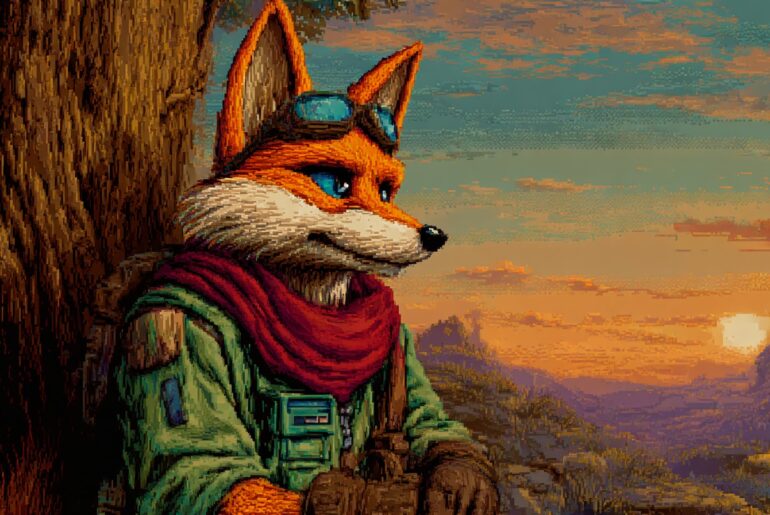
Star Fox 64 brought the Rumble Pak into the conversation, literally. Feeling your ship shake when Andross roared at you through the TV was like discovering a new sense. "Do a barrel roll!" became playground comedy gold, but underneath the memes was genuinely brilliant arcade-style shooting with branching paths that made every playthrough feel different. The Arwing still looks like the perfect space fighter to me.
Paper Mario showed up fashionably late but proved Nintendo could reinvent their own mascot in cardboard form and somehow make it work. Turn-based combat that felt snappy, writing that was actually funny, and art direction that looked like a pop-up book come to life. Sometimes the best ideas are the ones that sound ridiculous on paper (pun intended) but sing in practice.
Mario Party… oh, Mario Party. The franchise that discovered you could monetize friendship destruction through mini-game compilation. Rotating analog sticks until your palm developed calluses, button-mashing competitions that turned into actual endurance tests, and board game mechanics designed by someone who clearly understood that the real treasure was the enemies you made along the way. Pure evil. Brilliantly crafted, relationship-ending evil.
F-Zero X took the original's formula and cranked everything to eleven. Thirty racers, 60fps, music that sounded like heavy metal performed by robots, and physics that turned every turn into a death-defying leap of faith. The N64's expansion slot later welcomed the 64DD add-on in Japan, letting players create custom tracks. Most of us never saw the 64DD, but F-Zero X alone proved the N64 could handle speed that made your eyes water.
Banjo-Kazooie arrived as Rare's love letter to collect-a-thon platforming. Every world felt like a playground designed by someone who understood that exploration should reward curiosity. The humor was perfectly British—cheeky without being cruel, silly without being stupid. Banjo and Kazooie's partnership felt genuine, like watching a nature documentary about the world's most unlikely friendship.
Wave Race 64 made water physics feel like magic. Those jet skis handled like real watercraft—bouncy, unpredictable, affected by waves and weather. Racing through those courses, especially in stormy conditions, felt like wrestling with actual water rather than racing on liquid-textured roads. The N64's power was perfect for this kind of environmental storytelling.

And then there were the games that pushed boundaries in different directions. Conker's Bad Fur Day proved Nintendo's "family-friendly" reputation was more guideline than rule. Rare's final middle finger to cute platforming was crude, clever, and absolutely unforgettable. Seeing cartoon animals swear like sailors while solving genuinely creative puzzles was like discovering secret adult content hidden in your childhood toy box.
The N64 controller gets mocked now, but in context, it was brilliant. Three handles because nobody knew how 3D games should feel yet. The analog stick gave precision we'd never experienced. The Z-trigger made aiming natural. The C-buttons provided camera control before dual analogs became standard. It looked alien because it was solving problems that didn't exist until games started thinking in three dimensions.
Looking back, the N64's library wasn't about quantity—it was about quality and innovation. Every major release felt like a statement about what games could become. The system taught us spatial reasoning, introduced targeting systems that still feel modern, and proved that local multiplayer could be the foundation for lifelong memories and occasionally lifelong grudges.
That three-pronged controller might look weird now, but it held the future in its buttons. And honestly? The future felt pretty good.