Saturday afternoons in 1991 had a particular rhythm. Mum would disappear into the kitchen with Radio 4 burbling about something appropriately serious, Dad would commandeer the garage for mysterious DIY projects that usually involved swearing at screws, and I'd have the living room to myself. The Mega Drive sat there like a black plastic altar, and more often than not, I'd find myself sliding that familiar blue cartridge into the slot. Michael Jackson's Moonwalker wasn't just a game—it was pure celebrity gaming magic, the kind they don't really make anymore.
I remember the exact moment I first laid eyes on it in Electronics Boutique. There was MJ himself, frozen mid-lean on the cover art, surrounded by sparkles and that trademark fedora. The shop assistant, a lanky teenager with questionable facial hair, was practically bouncing on his heels. "It's mental," he kept saying, "you actually get to be Michael Jackson." As if that wasn't obvious from the massive photo plastered across the front.
The thing about Moonwalker was how utterly committed it was to the whole Michael Jackson experience. This wasn't some lazy cash grab with his name slapped on—though let's be honest, there were plenty of those floating around. No, this felt like someone at Sega had watched Smooth Criminal about forty times, taken notes, and thought, "Right, how do we turn anti-gravity lean into a special move?"
Firing it up for the first time was pure theatre. That Sega logo hit different when you knew something special was coming, and then… BAM. Michael's digitized face appeared on screen, and my tinny TV speakers crackled with what was unmistakably "Beat It." Not some chiptune approximation—actual Michael Jackson vocals, compressed to within an inch of their life but somehow still recognizable. My mate Simon, who'd come round to witness this technological miracle, just stood there gaping. "That's actually him singing," he kept muttering, as if the Mega Drive had somehow bent the laws of physics.
The gameplay itself was gloriously bonkers. You'd start each level as MJ himself, complete with the sparkly glove and those impossible dance moves. The attack button didn't just punch—it made you do this little spin-kick thing that looked exactly like something from a music video. And the special moves? Forget about them. Hold down all three buttons and MJ would break into a full dance routine that somehow killed every enemy on screen. I spent embarrassing amounts of time just triggering that move over and over, watching pixelated bad guys crumble before the power of synchronized choreography.
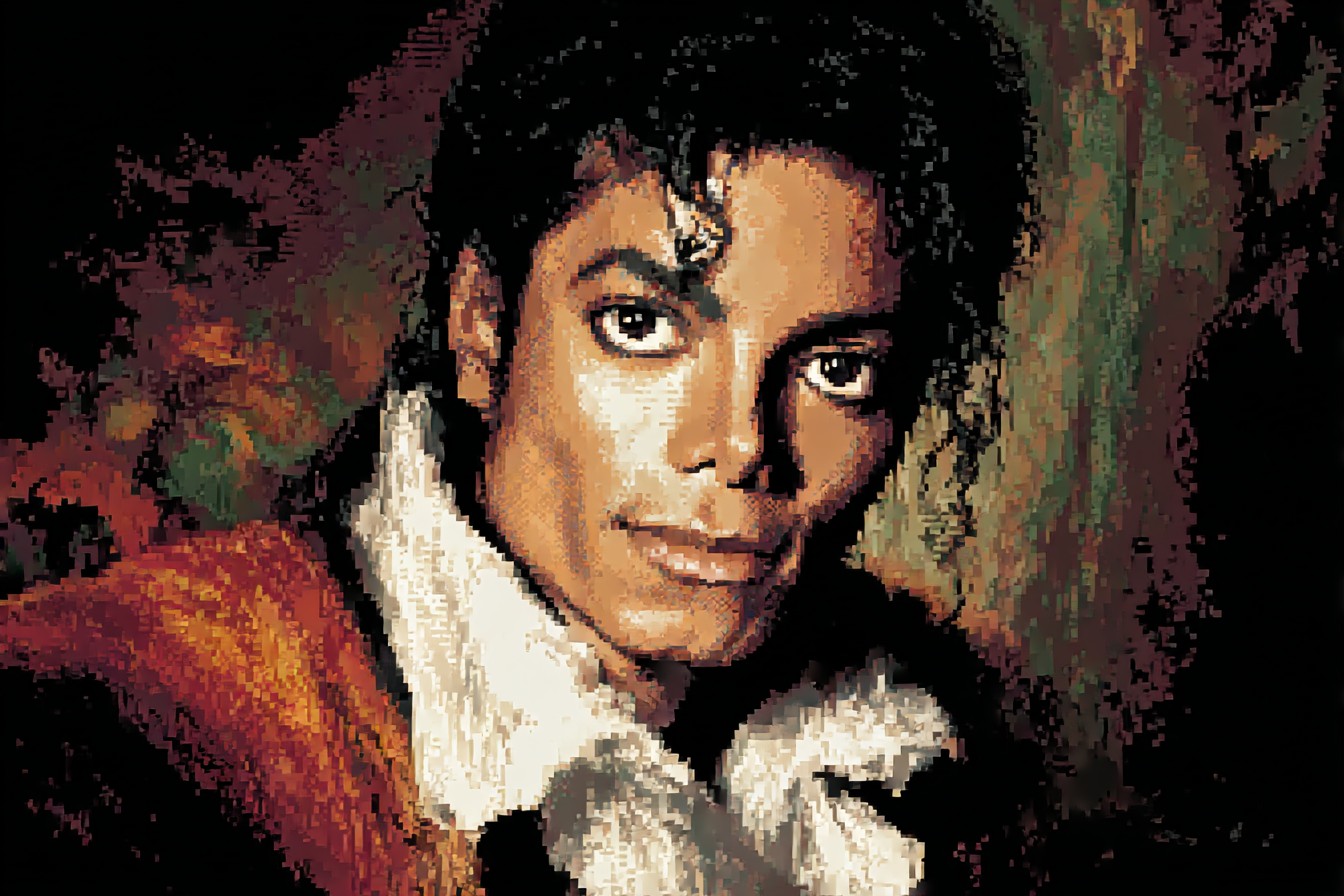
But here's where it got really weird—and brilliantly so. About halfway through each level, you'd find this shooting star power-up, and suddenly Michael Jackson would transform into a robot. Not just any robot, mind you, but this gleaming chrome mechanical version that looked like it had stepped straight out of the "Smooth Criminal" video. The shift from side-scrolling beat-'em-up to mech shooter was jarring in the best possible way. One minute you're rescuing kidnapped children (because of course that's the plot), the next you're a laser-firing death machine laying waste to alien spacecraft.
Those boss battles though… they were something else entirely. I'll never forget the first time I faced off against that massive spider-tank thing in the caverns. The screen filled with this grotesque mechanical beast, all legs and laser cannons, while the Mega Drive's sound chip pumped out this menacing industrial bass line. My palms were genuinely sweaty on the controller. When you finally defeated it and MJ struck that victory pose—fedora perfectly positioned, one hand on hip—it felt like you'd just witnessed the greatest music video never filmed.
The whole package was quintessential early '90s excess in the best way. This was peak celebrity gaming, when star power alone could sell cartridges and nobody questioned whether it made narrative sense. Other games tried to capture that same magic—I'm looking at you, MC Hammer's U Can't Touch This for Game Gear—but none had Moonwalker's commitment to the absurd. It understood that sometimes the best games are the ones that lean fully into their own ridiculousness.
What really sold the experience was how much effort went into the details. The animation frames for MJ's dance moves must have cost Sega a fortune, but they nailed every hip thrust and shoulder shimmy. When you collected those sparkly power-ups, little musical notes would float around the character, and for just a moment, your living room felt like a concert stage. Even the enemy sprites had personality—those fedora-wearing gangsters weren't just obstacles, they were part of the whole cinematic universe.
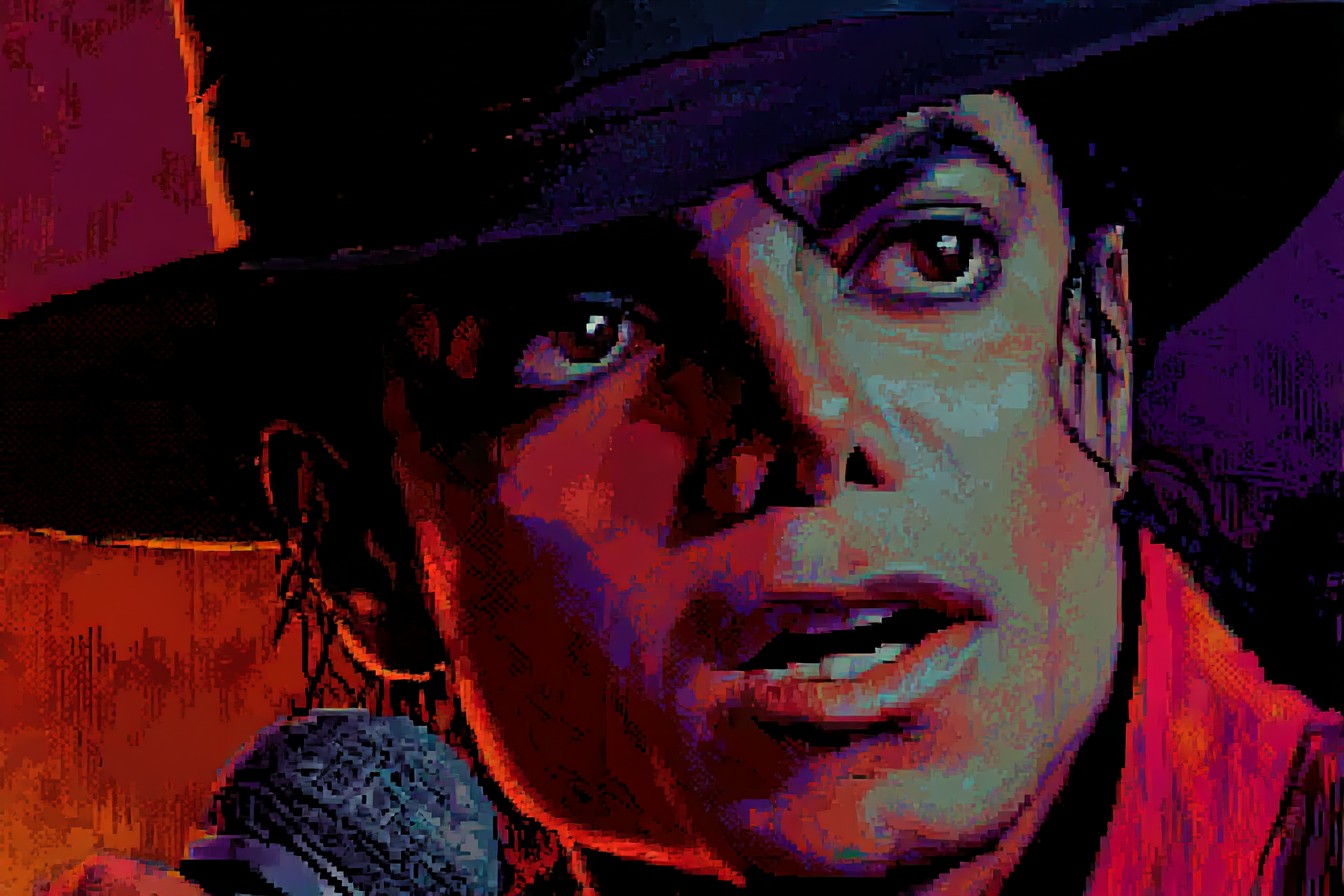
Playing it again recently on my trusty Model 1 Mega Drive (the one with the proper headphone jack, naturally), I was struck by how well it holds up. Sure, the graphics look charmingly chunky now, and those vocal samples sound like they're being transmitted from underwater, but the core experience still works. There's something pure about games from that era—they had one wild idea and committed to it completely, consequences be damned.
The cultural timing was perfect too. This was MJ at his absolute peak, when Smooth Criminal was still fresh and before things got… complicated. Moonwalker caught that moment when Michael Jackson felt like the most famous person on the planet, and somehow managed to bottle that energy into 16-bit form. You weren't just playing a game; you were inhabiting a fantasy version of superstardom where dance moves could literally defeat evil.
I've kept my original copy all these years, cartridge label slightly sun-faded but still functional. Sometimes when I'm browsing modern gaming forums, reading complaints about celebrity endorsements feeling hollow or cash-grabby, I think about Moonwalker. It proved that when celebrities and game developers actually collaborate—when they're genuinely excited about the possibilities—the results can be pure magic. These days we get athletes in FIFA or actors doing voice work, but nothing quite captures that same sense of "this is completely mental and we're doing it anyway."
That's the thing about peak celebrity gaming gold—it wasn't trying to be sensible or focus-grouped into blandness. It was pure, unfiltered ambition translated into pixels and sound waves, and somehow that made all the difference.