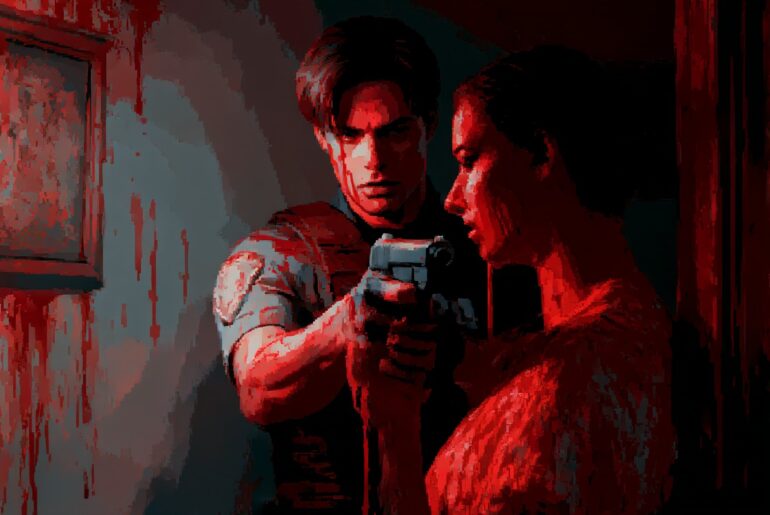
The smell of a friend's basement in winter 1999 is burned into my memory—that musty carpet odor mixed with the electric warmth of a CRT that had been on for three hours straight. We'd gathered for what felt like a historic moment: someone had actually managed to get Resident Evil 2 running on Nintendo 64. Not just running, mind you, but looking… well, shockingly decent.
I mean, we all knew the story by then. PlayStation had gotten Resident Evil 2 in early '98, two whole discs of zombie-infested Raccoon City goodness. Meanwhile, Nintendo 64 owners were stuck with our chunky cartridges, wondering if Capcom would ever figure out how to cram Leon and Claire's adventure into something the size of a sandwich. The technical hurdles seemed impossible. We're talking about squeezing roughly 650 megabytes of CD data—voice acting, FMV cutscenes, all that Umbrella Corporation atmosphere—into a 64-megabyte cartridge. That's like trying to fit a bathtub into a teacup.
But there we were, controllers in hand, watching that familiar Raccoon City Police Department lobby load up on Nintendo's machine. The magic wasn't immediately obvious until you started paying attention to the details. See, most of us had played the PlayStation version at some point—either at a mate's house or through a weekend rental that cost more than a cinema ticket. The N64 version looked… different. Not worse, exactly. Different.
The first thing you noticed was the voice acting. Still there, crisp and clear through the TV speakers. Claire still sounded like Claire, Leon still had that rookie cop earnestness that made you want to protect him from his own terrible decision-making. But hang on—hadn't we heard this was impossible? Cartridges don't hold speech like CDs do. Yet here was Barry Burton's legendary "master of unlocking" dialogue coming through our telly like it belonged there.
Turns out Capcom's engineers had pulled off something that felt like actual wizardry. They'd developed this custom compression system that squeezed audio down to sizes that shouldn't have worked. I remember reading in GamePro (or was it Nintendo Power?) about how they'd managed to fit roughly an hour of spoken dialogue into just a few megabytes. The compression was so aggressive it should have made everyone sound like they were talking through a tin can underwater. Instead, it just gave the voices this slightly metallic edge that honestly made the whole zombie apocalypse feel more claustrophobic.

Then there were the cutscenes. The PlayStation version had these gorgeous FMV sequences—pre-rendered movie clips that looked like something from a Hollywood thriller. Claire arriving in Raccoon City on her motorbike, zombies shambling through rain-soaked streets, that iconic opening where a truck driver gets munched while we watch through his windscreen. How do you fit that onto a cartridge?
You don't. You rebuild it from scratch using the game engine itself. Every single cutscene in the N64 version was recreated as real-time 3D, using the same character models and environments you'd play through later. It sounds like a downgrade, but watching it happen was mesmerizing. The camera work stayed dramatic, the pacing remained spot-on, and somehow the real-time approach made everything feel more immediate. Less like watching a movie, more like being dropped into one.
The really clever bit was how they handled the dual-disc structure. PlayStation owners had to swap discs halfway through—one disc for Leon's story, another for Claire's. The N64 cartridge contained both scenarios from the start, but they'd compressed and optimized everything so efficiently that loading between them was seamless. No disc swapping, no "please insert disc 2" messages breaking the tension. Just pure survival horror flowing from one nightmare to the next.
I spent ages marveling at the technical compromises that somehow became improvements. The lighting, for instance. The PlayStation version had these gorgeous shadow effects and atmospheric lighting that really sold the abandoned police station's creepy vibe. The N64 couldn't match that raw power, but the developers compensated by making the lighting more dramatic, more focused. Flashlight beams cut through darkness with surgical precision. Sparking electrical panels cast these harsh, flickering shadows that somehow felt more unsettling than the original's smooth gradients.
The frame rate was another story entirely. I won't lie—there were moments when the action got hectic and everything slowed to what felt like cinematic slow motion. Four zombies shambling toward you while you're fumbling with inventory management? The N64 would chug a bit, sure. But here's the thing: it never felt broken. The slowdown almost added to the tension, like the console itself was getting overwhelmed by the horror unfolding on screen.
Storage limitations meant sacrifices, obviously. Some of the more elaborate background details got simplified. A few musical tracks were shortened or compressed beyond recognition. But the core experience—exploring that police station, solving puzzles with inventory items that made no logical sense, jumping out of your skin when a Licker dropped from the ceiling—all of that survived the compression process intact.
What struck me most was how the cartridge format actually enhanced certain aspects of the experience. Loading times were practically nonexistent compared to the CD version's lengthy door-opening animations. On PlayStation, you'd watch Leon push open a door, screen would fade to black, disc would spin for what felt like centuries, then fade back in to reveal the next room. The N64 version? Door opens, you're through, keep running from zombies. The pacing felt tighter, more urgent.
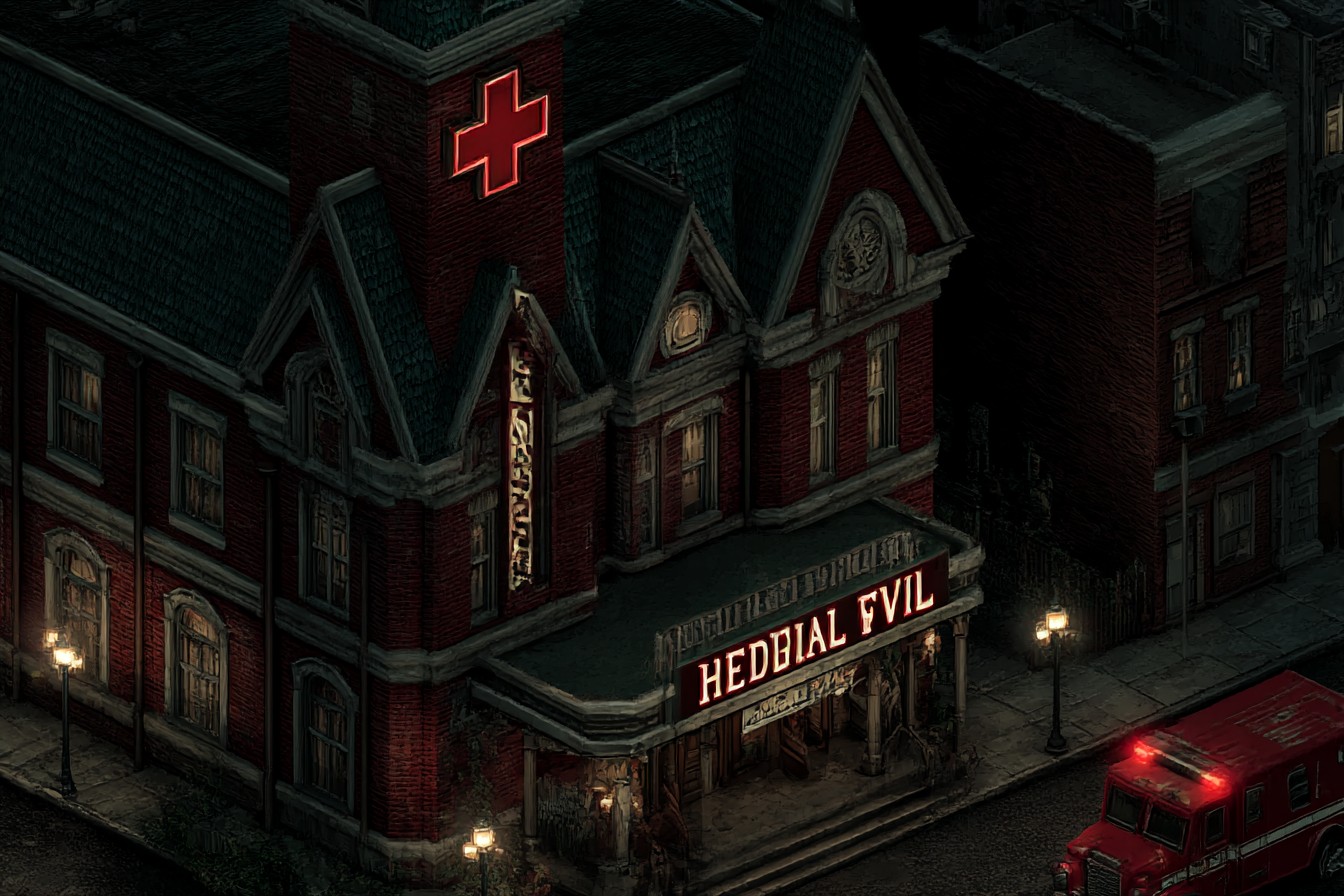
The technical achievement became even more impressive when you considered the release timing. This wasn't some quick-and-dirty port rushed to market. The development team had clearly spent serious time figuring out how to make everything work within the Nintendo 64's constraints. Custom compression algorithms, rebuilt cutscenes, optimized audio encoding—this was engineering artistry disguised as a video game.
Years later, I'd learn about the specific techniques they'd used. The audio compression wasn't just about making files smaller—they'd actually developed predictive algorithms that could reconstruct speech patterns from minimal data. The real-time cutscenes weren't just engine footage—they were carefully choreographed sequences that used every trick in the N64's graphics playbook to create cinematic moments that looked better in motion than they did in screenshots.
Looking back now, with modern games routinely shipping on 50+ gigabyte downloads, there's something almost quaint about the constraints these developers worked within. But there's also something inspiring about the creativity those limitations sparked. When you can't just throw more storage at a problem, you have to think differently. You have to be clever.
Resident Evil 2 on Nintendo 64 proved that technical magic isn't always about raw power—sometimes it's about finding elegant solutions to impossible problems. That basement gaming session in 1999 wasn't just about playing a great survival horror game. It was about witnessing what happens when talented engineers refuse to accept "can't be done" as an answer.