My mate Dave brought something over yesterday that made me do a proper double-take. Picture this: I'm halfway through explaining why my CRT still has a place in 2024 (something about integer scaling and input lag), when he plops down this sleek little collection disc. "Check it out," he says, grinning like he'd found buried treasure. The Sega Genesis Collection. Fifty-something games from the Mega Drive era, all wrapped up in modern packaging that somehow manages to respect the original without looking like a cheap cash grab.
Now, I've got to admit something here. When these compilation releases started popping up everywhere, I was… skeptical. Properly cynical, actually. Too many had been rushed jobs with wonky emulation, missing features, or that peculiar input lag that makes Sonic feel like he's running through treacle. But this one? This one's different. M2 handled the porting duties, and if you know anything about arcade conversions and retro compilations, that name should make your ears perk up.
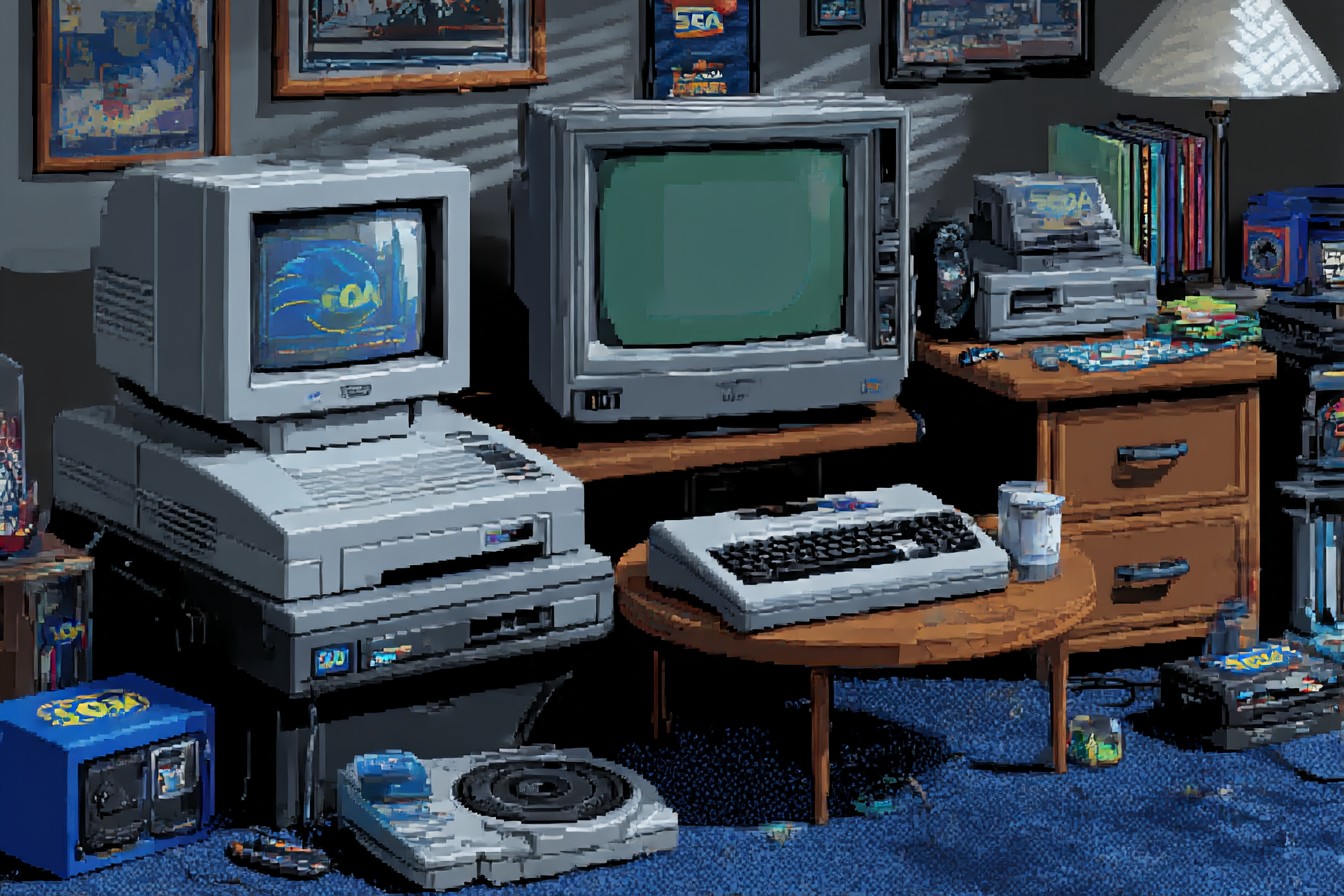
The first thing that hit me was the presentation. None of that sterile, corporate museum piece nonsense you sometimes get. They've recreated that whole 90s bedroom aesthetic – complete with a virtual CRT telly, posters on the walls, and even little touches like the power LED that blinks when you're loading a game. It's daft, really, but it works. Makes you feel like you're actually sitting cross-legged on carpet again, arguing with your brother about whose turn it is next.
But here's the thing about compilations – they live or die by the emulation quality, don't they? I fired up Streets of Rage 2 first (obviously), and within thirty seconds I knew these weren't just quick ROM dumps with a splash screen slapped on top. That Yuzo Koshiro soundtrack came through crisp and punchy, all those FM synthesis bells and whistles intact. The character animations were smooth as butter, no dropped frames or weird timing hiccups. When Axel's combo landed with that satisfying *thwack*, it felt exactly like it should.
What really impressed me was the attention to detail in the options menu. You can mess about with aspect ratios, apply CRT filters (though honestly, nothing beats the real thing), and even tweak the audio output to match different regional versions. Remember how the Japanese Mega Drive had that slightly different sound chip configuration? Yeah, they've accounted for that. It's the kind of technical geekery that makes my heart sing, even if most people will never touch those settings.

The game selection hits all the right notes, too. Sure, you've got your obvious heavy hitters – all three Streets of Rage games, the main Sonic titles, Golden Axe. But they've also included some proper gems that casual fans might've missed first time around. Gunstar Heroes is there in all its chaotic glory, still one of the best run-and-gun shooters ever made. Phantasy Star IV represents the RPG side of things beautifully, though good luck explaining to modern players why they need to grind for twenty hours to see the ending.
I spent a good chunk of Sunday afternoon with Ristar, which I'd somehow completely overlooked back in the day. Must've been too busy with Donkey Kong Country or something equally Nintendo-flavored. What a mistake that was! The little star bloke's grab-and-stretch mechanics feel fresh even now, and the level design is properly clever. Sometimes these compilations are brilliant for discovering blind spots in your own gaming history.
The emulation extends beyond just making games run, though. They've preserved those little quirks and imperfections that made the original hardware feel alive. The slight audio delay when you pause Streets of Rage. The way Sonic's sprite flickers slightly when there's too much action on screen. Even the loading times between levels match what you'd remember from cartridge days – which is to say, barely any at all. It's those tiny details that separate proper preservation from just dumping ROMs in a wrapper.
What struck me most was how playing these games in sequence revealed the sheer creative evolution happening at Sega during those years. You can trace the company's journey from the arcade-focused early stuff through to more sophisticated home console experiences. The difference between, say, Alex Kidd and Sonic 3 isn't just technological – it's philosophical. You're watching a company figure out what home gaming could be beyond just shrinking arcade experiences.
I've been banging on about game preservation for years now, usually to anyone unfortunate enough to be within earshot at parties. Too many classics are locked away on expensive original hardware or trapped in legal limbo. Collections like this one serve a vital purpose – they keep these games playable for new generations without requiring a degree in vintage electronics or a mortgage-threatening eBay habit.
My seven-year-old nephew had a go on Altered Beast yesterday. Watching his face light up when that first transformation kicked in? Pure magic. He didn't care that the graphics looked "retro" or that the sound effects were crusty by modern standards. He just saw a bloke turning into a werewolf and punching demons, which is essentially all you need for a good Sunday afternoon.
The whole package feels like it was assembled by people who actually played these games back in the day, rather than developers trying to tick boxes on a corporate checklist. There's real affection here, from the lovingly recreated manual scans to the bonus interviews with original development staff. It's not trying to reinvent anything or add unnecessary modern touches – it's just preserving history with respect and technical competence.
Sure, I'll still fire up my original Mega Drive when I want that authentic experience. Nothing beats actual hardware running on proper CRT scanlines. But for introducing these games to newcomers or just having a convenient way to revisit old favorites, this collection does everything right. Sometimes preservation isn't about perfect authenticity – it's about keeping the joy accessible.