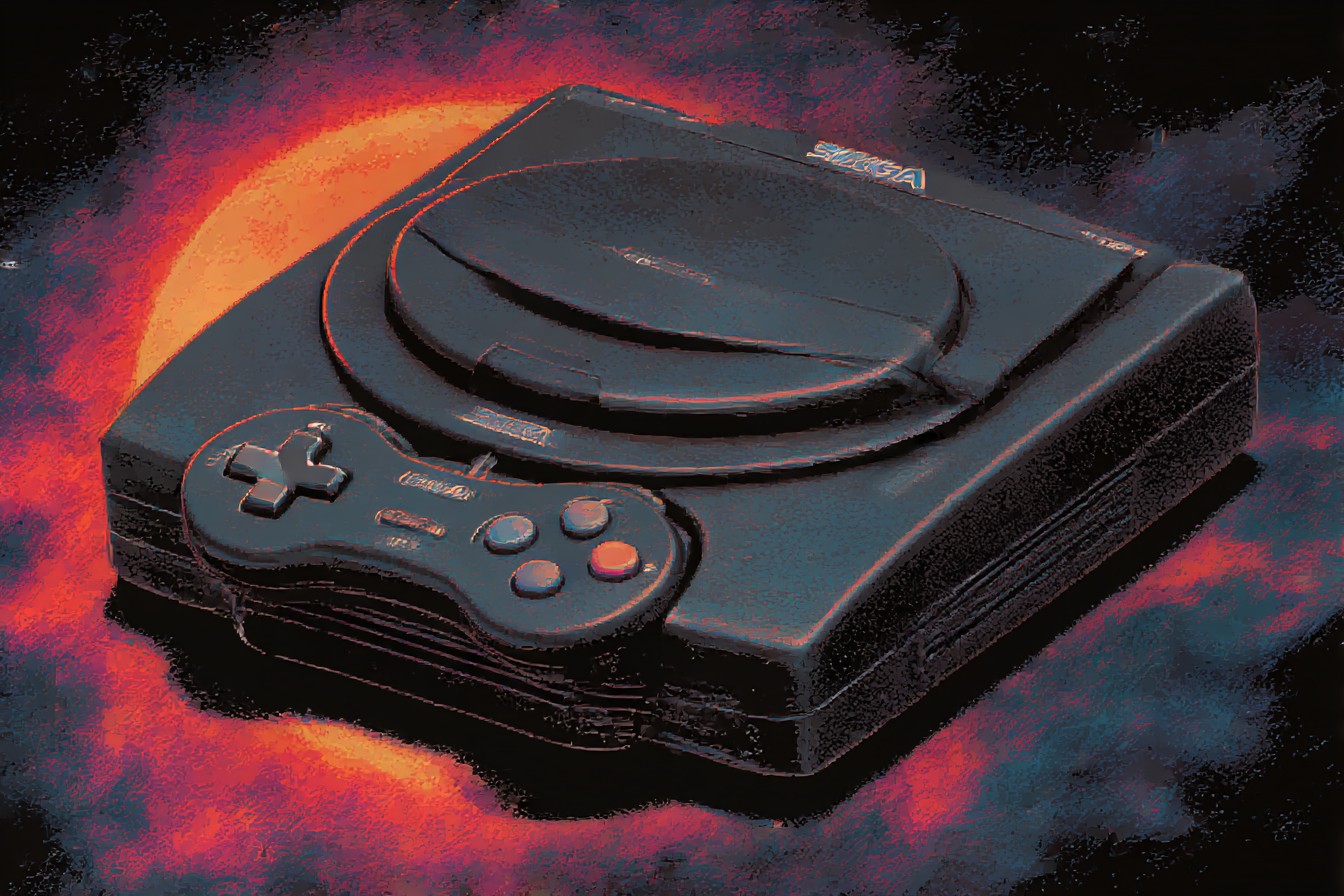
There's something beautifully ironic about finding a massive collection of Sega Genesis games sitting pretty on a PlayStation console. I mean, back in the day these were sworn enemies—you picked a side and stuck with it like supporting a football team. Yet here I was in 2006, sliding that Sega Genesis Collection disc into my PS2 and feeling like some sort of gaming diplomat bringing peace to the living room.
The timing couldn't have been better, honestly. My original Mega Drive had finally given up the ghost after years of being moved between flats, and replacement cartridges were getting stupidly expensive on eBay. You know how it is—suddenly everyone's a retro gaming expert and that copy of Streets of Rage 2 you could've bought for a tenner five years ago is now going for forty quid. Mental.
What struck me first about this collection wasn't just the sheer number of games—twenty-eight classics, which felt generous even by today's standards—but how they'd actually bothered to get the emulation right. See, this was still the wild west days of retro compilations. Half of them ran like absolute tosh, with input lag that made precision platforming feel like steering a shopping trolley through treacle. But Digital Eclipse, bless them, actually seemed to care about getting the sound chips singing properly.
That Yamaha YM2612 FM synthesis was always the Mega Drive's secret weapon. While Nintendo went for that warm, orchestral SNES sound, Sega's audio had this metallic bite to it—like guitar distortion but digital. When I fired up Golden Axe for the first time on this collection, that opening theme hit exactly the same way it did when I was twelve and convinced that barbarian fantasy was the height of sophistication. The bass still rattled my TV stand. Perfect.
The game selection felt like someone had actually played these things rather than just licensing whatever was cheapest. Sure, you got your obvious crowd-pleasers—all three Streets of Rage games, which meant I could finally show my mates why the second one was clearly superior. But they'd also thrown in some proper deep cuts. Gain Ground? Bonanza Bros? These weren't the games that sold systems, but they were the weird little gems you'd rent on a Friday night when Blockbuster had run out of everything decent.
I spent an embarrassing amount of time just mucking about in the extras menu. They'd included actual development interviews, concept art, even some music tracks you could play separately. This was before YouTube made behind-the-scenes content completely disposable, so having Yuji Naka explain the physics engine in Sonic felt like getting secret knowledge. The museum mode had this lovely vintage feel to it, like browsing through old gaming magazines but without the sticky pages and that weird smell of aging paper.
The controls translated surprisingly well to the DualShock 2. Now, I'll be the first to admit that Sony's controller never quite captured the chunky satisfaction of a proper six-button Genesis pad, but it did the job. The button mapping felt intuitive enough that I wasn't constantly pausing mid-combo to remember which shoulder button did what. Though I did miss that distinctive click of the original d-pad—you know, that mechanical precision that made quarter-circle motions feel like operating heavy machinery.
Playing through Phantasy Star II again was like rediscovering a favorite book. I'd forgotten just how brutal that game could be, how it demanded proper respect for its dungeon crawling and grinding mechanics. This wasn't some hand-holding modern RPG—you died, you learned, you got better. The collection's save state feature felt like cheating at first, but honestly? When you're a grown-up with actual responsibilities, being able to pause mid-dungeon because the washing machine's finished its cycle is just practical.
What really impressed me was how they'd handled the aspect ratio situation. See, old games were designed for those chunky 4:3 CRT televisions, but by 2006 everyone was getting seduced by widescreen sets. Rather than just stretching everything until Sonic looked like he'd been through a taffy puller, they'd given you options. You could play fullscreen with slight stretching, keep the original proportions with black bars, or even use some clever filtering to make the pixels less jagged on modern displays.
The sound options deserved special mention too. They'd included both the original Genesis audio and some remastered versions that took advantage of the PS2's better sound capabilities. Purists could stick with the authentic FM synthesis crackle, while newcomers got slightly cleaner versions that didn't require an appreciation for vintage audio artifacts. I usually went with the original versions because, let's face it, half the charm of these games was how they sounded coming through a cheap television speaker in 1991.
Some games held up better than others, obviously. Streets of Rage still felt like the perfect beat-'em-up formula—simple enough to pick up immediately, deep enough that you'd discover new combos twenty hours in. Sonic games were… well, they were Sonic games. Brilliant when they worked, occasionally infuriating when the level design demanded pixel-perfect precision from a character who moved like a caffeinated hedgehog.

The puzzle games aged like fine wine. Columns was still quietly addictive in that Tetris way where you'd start a quick game and suddenly it's three in the morning and your eyes are burning. Dr. Robotnik's Mean Bean Machine proved that Puyo Puyo mechanics could make even the most ridiculous premise work—though I still maintain that having Sonic characters in a falling-bean puzzle game made about as much sense as putting Mario in a racing kart. Oh, wait.
Loading times were mercifully brief, which mattered more than you might think. Part of the original cartridge experience was that immediate gratification—slot it in, power on, you're playing. Sitting through minute-long loading screens would've killed that instant nostalgia hit. The PS2 disc managed to keep things snappy enough that switching between games felt natural rather than like a technical hurdle.
What struck me most, playing through this collection, was how it captured a specific moment in gaming history. These weren't just old games preserved in digital amber—they were reminders of when home consoles were genuinely different from each other. Each system had its own personality, its own quirks, its own library of experiences you literally couldn't get anywhere else. The Genesis Collection felt like a love letter to that era of genuine console diversity, when choosing your platform actually mattered beyond which exclusive franchises you preferred.
Looking back now, this collection was probably my gateway drug into proper retro gaming preservation. It proved that old games could be more than just nostalgia bait—they could be genuinely engaging experiences for new audiences, provided someone took the time to present them properly.