That chunky six-button controller showed up at my friend Mike’s house on a random Saturday in 1993, and I swear it changed everything about how we thought about fighting games. Mike had been bragging about it all week at school – three extra buttons, he kept saying, like that somehow made him gaming royalty. I figured it was typical Mike exaggeration until I actually held the thing.
The weight felt different, more serious somehow. Instead of that familiar three-button layout we’d been wrestling with, suddenly there were six perfectly positioned buttons that made actual sense for fighting games. Light punch, medium punch, heavy punch across the top row. Light kick, medium kick, heavy kick on the bottom. Revolutionary? Maybe that’s too strong a word, but it felt pretty damn close when you’d been trying to pull off Chun-Li’s lightning legs using some bizarre button combination that required the flexibility of a yoga instructor.
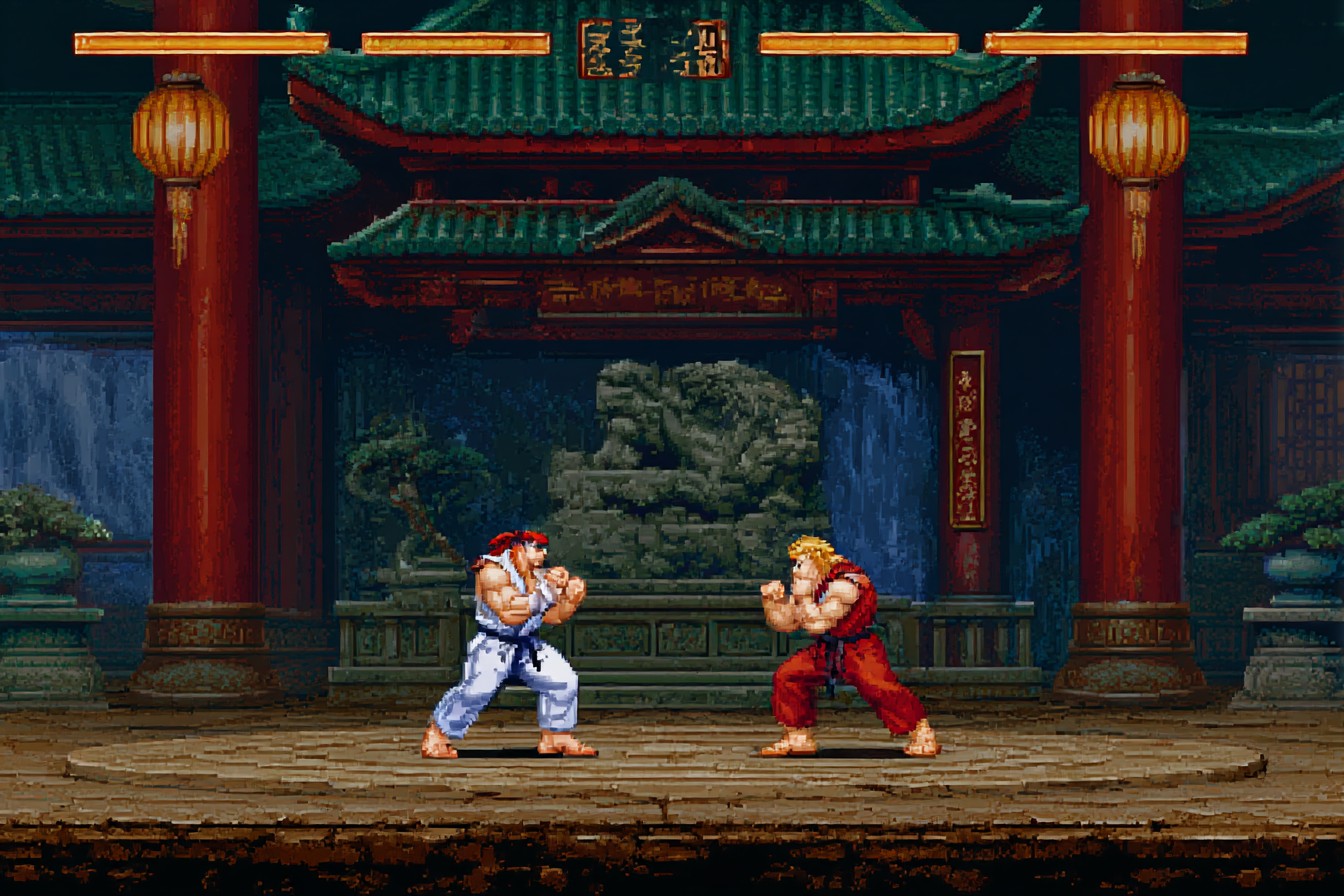
Mike fired up Street Fighter II: Special Champion Edition – which was a mouthful of a title that somehow perfectly captured how special this felt. The Capcom logo hit the screen with that familiar musical sting, and suddenly we weren’t just two kids in a basement anymore. We were about to experience arcade-perfect fighting in someone’s house, which felt impossible even as it was happening right in front of us.
I’d been playing Street Fighter II on the three-button pad for months, getting decent at it but always feeling like I was fighting the controller as much as my opponent. Quarter-circle forward plus punch for a fireball was doable, but the timing never felt quite right. You’d hit what you thought was medium punch and get heavy instead, or vice versa. The six-button pad eliminated all that guesswork. Each attack strength had its own dedicated button, and muscle memory could actually develop properly instead of being this constant adaptation to imperfect controls.
The first time I executed a perfect Dragon Punch with Ken using that controller, I understood why Mike had been so excited. It wasn’t just that the move came out correctly – it was that it felt intentional, precise, like I’d actually meant to do exactly what happened on screen. That’s a revelation when you’ve been playing fighting games that felt somewhat random despite your best efforts.
What really sold me on the Genesis as the fighting game console wasn’t just the controller, though that was huge. It was how perfectly Street Fighter II ran on the hardware. The animation was smooth, the sound effects had this metallic edge that gave every hit extra impact, and the music – especially Guile’s theme, which we all agreed went with everything – sounded like it was meant to be played through the Genesis sound chip.
My SNES-owning friends would argue about their version having better colors or whatever, but they were missing the point. Fighting games aren’t about having the prettiest sprites; they’re about responsive controls and precise timing. The Genesis six-button pad delivered both in ways that made other controllers feel like compromises.
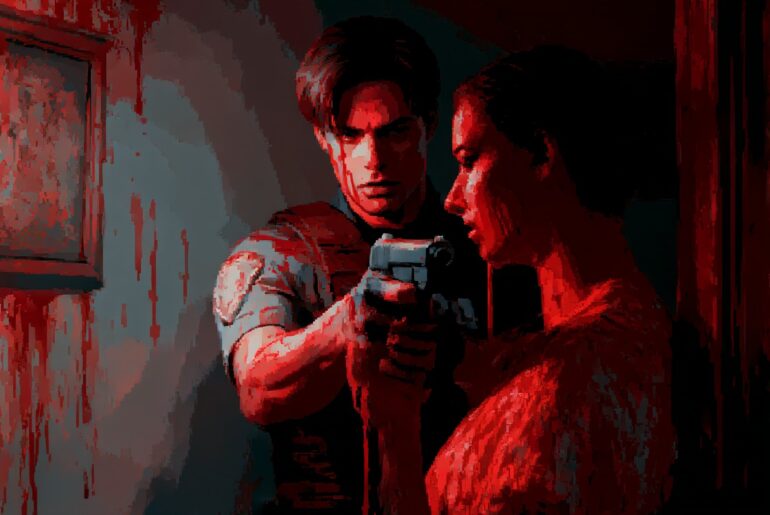
Then Mortal Kombat showed up and everything got weird in the best possible way. The blood code – A, B, A, C, A, B, B – became sacred knowledge passed between friends like we were sharing state secrets. The first time I saw Sub-Zero’s spine-rip fatality in Mike’s basement, the silence was profound. We’d crossed some line from “games our parents tolerate” into “games our parents definitely shouldn’t know about.”
The violence was cartoonish and over-the-top, but it felt transgressive in a way that appealed to teenagers who thought staying out past curfew made us rebels. More importantly, Mortal Kombat’s block button system worked perfectly with the six-button layout. While arcade purists argued about whether blocking should be a back input or dedicated button, we just played the game and appreciated how natural everything felt.
The thing about both Street Fighter II and Mortal Kombat on Genesis is how they captured not just the mechanics of their arcade counterparts, but the feel. When you landed a combo in Street Fighter II, your thumbs knew it before your brain processed what happened on screen. When you executed a fatality in Mortal Kombat, the satisfaction was immediate and visceral – even though controllers didn’t have rumble feedback yet, so maybe that was just us gripping them too tightly during tense moments.
These games turned Mike’s basement into our unofficial tournament venue every weekend. His mom would set out snacks and drinks, then disappear upstairs while we spent hours perfecting combos and arguing about which characters were cheap. The carpet developed permanent impressions from where we’d sit cross-legged during marathon sessions, controllers in hand, completely absorbed in digital combat that felt more real than most of what happened at school during the week.
The rivalry between Street Fighter II and Mortal Kombat played out in microcosm in that basement. Street Fighter was technical, precise, the chess match where every move mattered and frame advantage was everything. Mortal Kombat was intuitive and brutal, where you could win through audacity and well-timed aggression. Some days we’d play both, switching between them like we were sampling different flavors of excellence.
I remember the summer when every kid on our block could execute a fireball motion without thinking about it. Street Fighter II had become this shared language where quarter-circle forward meant something specific and universal. The winter Mortal Kombat really took off, we all knew the major fatality inputs by heart and would practice them secretly so we could casually execute them when friends came over.
Looking back now as someone who’s played fighting games across multiple console generations, I realize how spoiled we were. The Genesis six-button controller represented this perfect marriage of hardware and software design that made arcade-quality fighting games possible at home. It wasn’t just about having more buttons – it was about having the right buttons in the right places to support the kinds of complex inputs that fighting games demanded.
Both games also benefited from Sega’s approach to arcade conversions, which seemed to prioritize accuracy and playability over flashy extras. The timing was right, the animation frames were preserved, and most importantly, the competitive balance remained intact. When you got good at Street Fighter II on Genesis, those skills translated directly to the arcade version in ways that mattered during the era when arcade competency was the ultimate gaming credibility.
Those Saturday afternoon fighting sessions taught me that games could be intensely social without being cooperative. The six-button controller made us all better players, which paradoxically made losing hurt more. When Mike consistently destroyed me with Dhalsim’s stretchy attacks, it wasn’t because I was fighting imprecise controls – it was because he’d genuinely mastered something I hadn’t. That’s humbling for a teenager who thought being decent at Sonic qualified as gaming expertise.
The Genesis fighting game library exploded after Street Fighter II and Mortal Kombat proved there was a hungry audience for proper arcade conversions. Fatal Fury, Streets of Rage 2, various King of Fighters ports – each found new ways to utilize those six buttons effectively, new reasons to appreciate having dedicated inputs for different attack strengths and special moves.
These weren’t just games to us – they were cultural moments captured in cartridge form. The summer Street Fighter II landed, fighting game terminology entered our everyday vocabulary. The winter Mortal Kombat arrived with its blood and fatalities, we felt like we were getting away with something our parents wouldn’t approve of if they really understood what was happening on screen.
Through it all, that six-button controller sat in our hands like it had always belonged there, making the impossible feel inevitable and transforming basement carpets into battlegrounds where friendships were tested and legends were born, one perfect combo at a time.

Samuel’s been gaming since the Atari 2600 and still thinks 16-bit was the golden age. Between accounting gigs and parenting teens, he keeps the CRTs humming in his Minneapolis basement, writing about cartridge quirks, console wars, and why pixel art never stopped being beautiful.