You know what's been eating at me lately? I was scrolling through some old gaming magazines—the proper print ones with that glossy paper that would stick to your fingers in summer—when I stumbled across an ad for Streets of Rage 2. There's Blaze, all sixteen-bit pixels of her, and suddenly I'm twelve again, arguing with my mate Dave about whether she was "too distracting" during boss fights. Which, let's be honest, she absolutely was.
The thing is, those female characters from the Mega Drive era weren't just eye candy thrown in to sell games to hormonal teenagers. Well, okay, they partially were. But there was something else happening with the pixel art of the early 90s that made these characters feel… I dunno, iconic? Like they were designed by people who understood that limitations breed creativity, not frustration.
Take Chun-Li from Street Fighter II. On the SNES she looked good, sure, but on the Mega Drive version there was this raw, chunky quality to her sprites that somehow made her feel more powerful. Those thick, defined pixels didn't just show her famous thighs—they carved them from digital marble. The Genesis sound chip gave her attacks this metallic twang that made every spinning bird kick feel like it could dent a car door.
I remember the exact moment I realized something special was happening with character design on the system. My cousin had rented Golden Axe, and we spent an entire Saturday afternoon with it. There's Tyris Flare in her… well, let's call it "practical adventuring attire." But here's the thing—she wasn't weak or helpless. She was lobbing fireballs and cleaving through skeleton warriors like they owed her money. The bikini wasn't the point; it was just part of this over-the-top fantasy aesthetic that made everything feel larger than life.
The technical limitations of the Mega Drive actually worked in favor of these designs. You couldn't do subtle gradients or complex shading, so everything had to be bold, defined, iconic. Character silhouettes became crucial because you needed to read them instantly in the middle of chaotic action. That's why Blaze from Streets of Rage worked so well—her red hair and outfit created this unmistakable shape that you could spot across a crowded screen full of punks and thugs.

And can we talk about the sound for a minute? That YM2612 chip was absolutely perfect for this aesthetic. It had this gritty, synthetic quality that matched the pixel art perfectly. When Blaze did her spinning attack, the audio had this aggressive, almost industrial quality that made her feel dangerous rather than decorative. Same with Chun-Li's kicks—they sounded like machinery, like precision engineering applied to street fighting.
The animations were another thing entirely. With limited frames to work with, every movement had to count. Watch Chun-Li's idle animation in Street Fighter II Championship Edition on Genesis—there's this subtle hip shift that conveys personality with maybe three frames total. It's economical storytelling through sprite work, and it's honestly more expressive than a lot of modern characters with thousands of polygons to work with.
I think what made these characters so memorable was that they existed in this weird sweet spot between fantasy and technology. The Mega Drive could push enough pixels to make detailed character sprites, but not so many that designers got lost in the weeds of realism. Everything had to be stylized, iconic, readable at a glance. The result was this distinctive aesthetic that screamed "early 90s" in the best possible way.
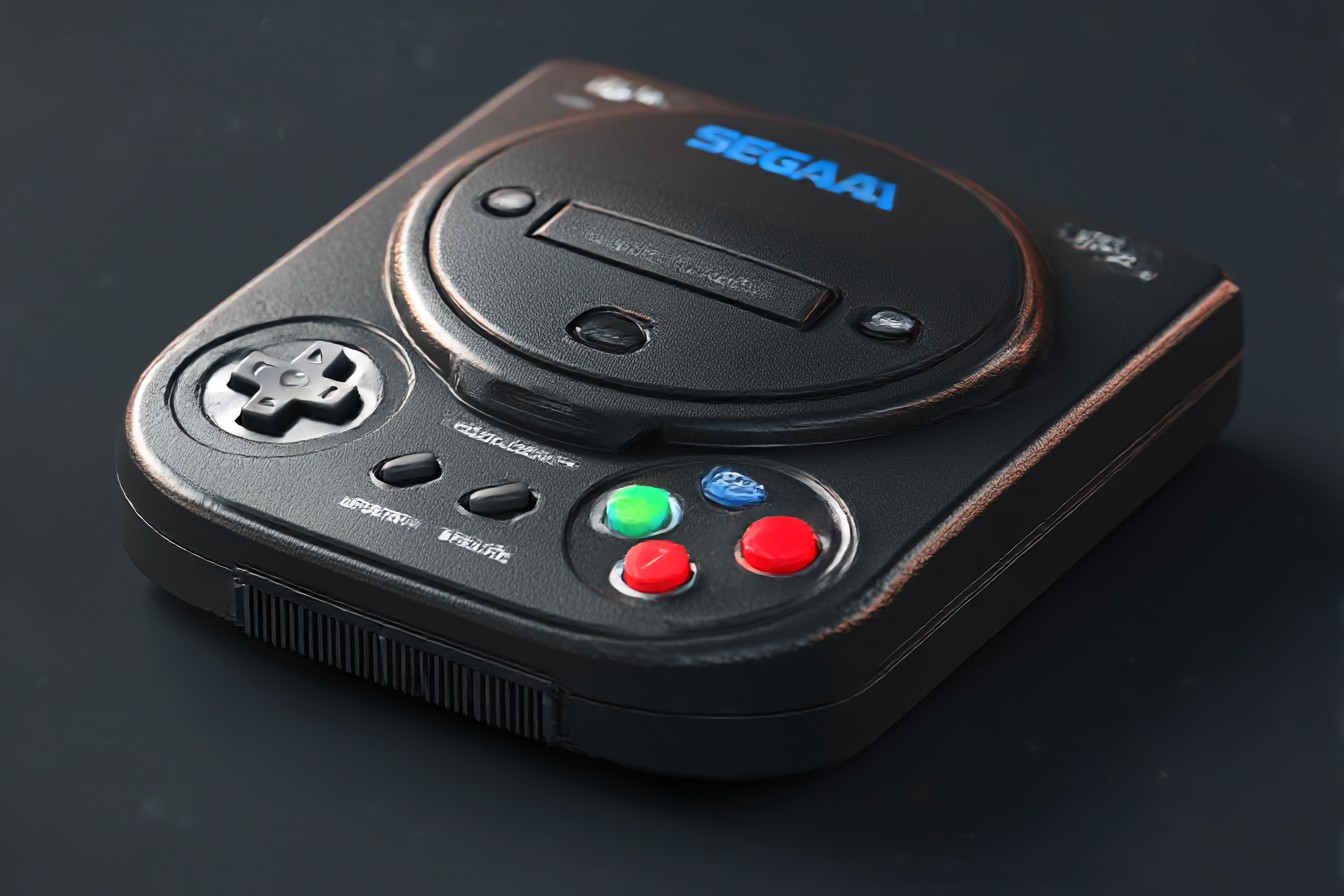
Playing these games now on my Mega SG, running through component cables on my old Sony Trinitron, I'm struck by how well these designs hold up. There's something timeless about good pixel art that polygons from the same era can't match. Those early PlayStation characters look dated now, but fire up Streets of Rage 2 and Blaze still looks like she could step off the screen and start trouble.
The cultural context matters too, obviously. The early 90s were this fascinating time when gaming was transitioning from being primarily a kids' hobby to something that appealed to teenagers and young adults. These character designs were part of that shift—they were more mature than anything on the NES, but still fantastical enough to feel like escapism rather than exploitation.
I've been thinking about this because my own kid started asking about the "old games" last week. We fired up Golden Axe together, and I found myself having to explain why Tyris Flare dresses like she's going to a very specific kind of beach party. But then I watched him play, and he wasn't fixated on her outfit—he was fascinated by her magic attacks, by the way her fireballs carved through enemies, by the satisfying crunch of the sound effects.
Maybe that's the key. These characters worked because they were designed gameplay-first, with the visual flair serving the mechanical purpose. Blaze's outfit made sense for an urban vigilante who needed to move fast and hit hard. Chun-Li's design emphasized her leg-based fighting style. Tyris Flare looked like someone who could survive in a savage fantasy world.
The pixel art style of the Mega Drive era had this honesty to it—what you saw was exactly what the hardware could produce, no smoke and mirrors. When developers wanted to make a character look appealing, they had to do it through clever sprite work and smart animation rather than just cranking up the polygon count or adding more texture detail.
There's a lesson there for modern character design, I reckon. Sometimes constraints make you more creative, not less. Those 90s Genesis characters are still showing up in indie games and retro-inspired projects because the aesthetic just works. It's bold, it's readable, it's memorable.
Anyway, next time someone tells you that old game characters were just gratuitous cheesecake, show them Blaze doing her spinning attack combo in Streets of Rage 2. Watch those chunky pixels dance across the screen, listen to that metallic Genesis soundtrack, and tell me that's not peak character design. Some things are just better when they're carved from pure 90s digital attitude.