The first time I laid eyes on Shinobi III's opening sequence, I was planted cross-legged on our living room carpet with a cup of lukewarm tea going cold beside me. My mate Dave had brought his Genesis round—we called it Mega Drive back then, obviously—and he was practically vibrating with excitement about this ninja game he'd picked up from Cash Converters. "Trust me," he said, jamming the cartridge in with that satisfying click we all remember. "This one's different."
Different doesn't even begin to cover it. The moment that title screen hit with those sweeping orchestral stabs, I knew we were in for something special. Joe Musashi surfing down a mountain slope on what looked like a massive shuriken while everything exploded around him? Yeah, that's one way to announce you're not messing about.
See, I'd played the earlier Shinobi games. The original arcade version had that brutal difficulty that made you pump 10p coins into it like a slot machine with commitment issues. Revenge of Shinobi on the Genesis was brilliant but punishing—the sort of game that made you question your life choices at 2am when you'd been stuck on the same boss for three hours. But Shinobi III felt like Sega had finally cracked the code. They'd kept all the ninja magic but wrapped it in something that actually wanted you to succeed.
The controls are what got me first. That six-button pad—God bless whoever designed that thing—made Joe feel like an extension of your fingers. Running, jumping, throwing shurikens, unleashing those devastating ninja arts… everything flowed like water. No awkward button combinations, no wrestling with the controller. Just pure, liquid movement that made you feel like you'd been training in some ancient dojo instead of sitting on a carpet with biscuit crumbs on your school jumper.
I remember the moment the movement system clicked for me. Second level, I think—the one with all the bamboo scaffolding. I was wall-jumping between platforms, chaining attacks together, when suddenly I wasn't thinking about button presses anymore. My hands just knew what to do. That's when you realize you're playing something special. When the mechanical stuff disappears and you're just being a ninja.
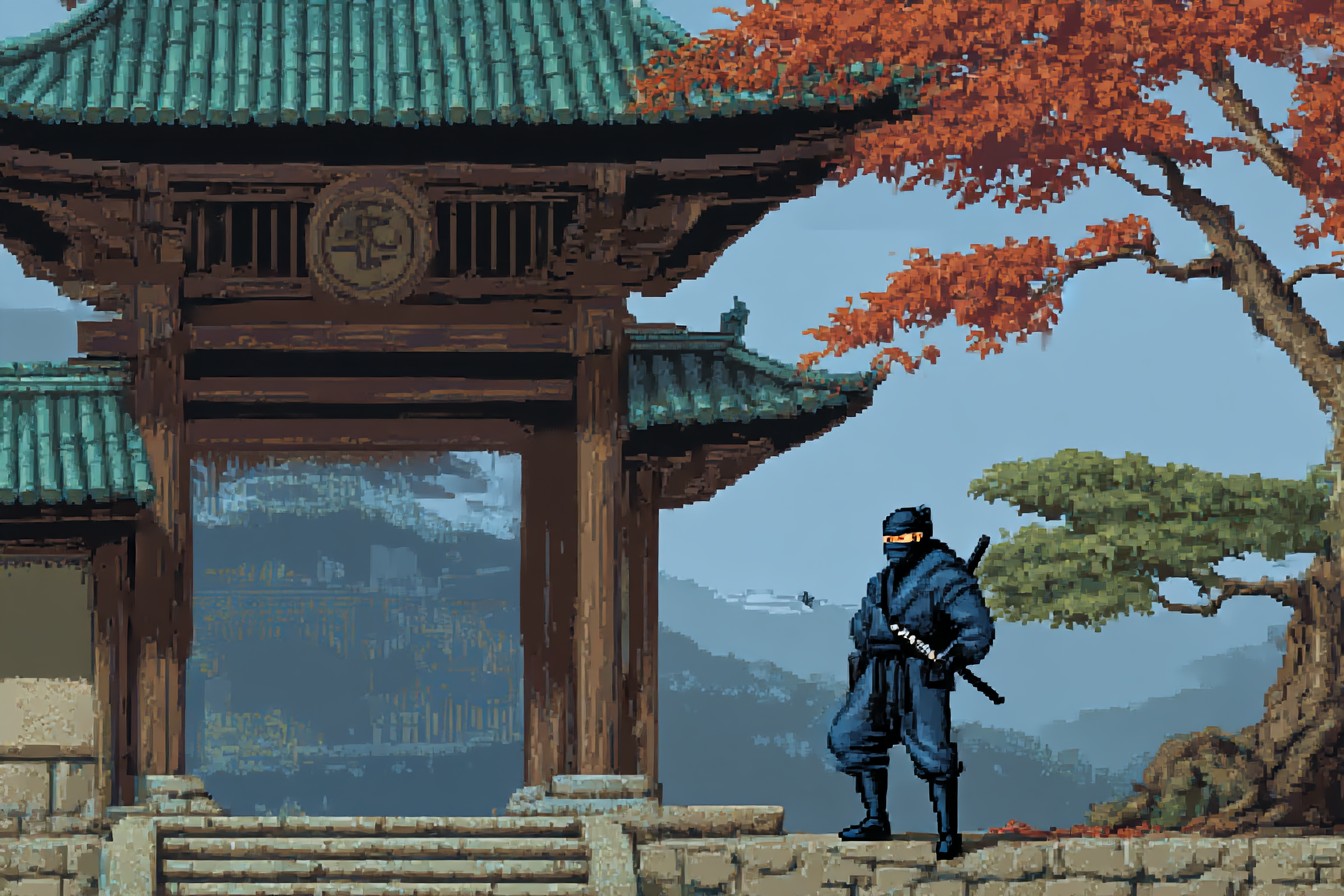
The bosses in this game, though. Crikey. Each one felt like a proper encounter, not just a damage sponge with fancy sprites. There's this massive robot early on that transforms mid-fight, and I genuinely yelped the first time it happened. Dave nearly spilled his squash laughing at me, but then he got to that bit and did exactly the same thing. The satisfaction of finally putting these things down never got old—especially with those chunky explosion effects that made the whole screen shake like our old telly was having a seizure.
But what really set Shinobi III apart was how it respected your time. Don't get me wrong, it wasn't easy. You'd still die plenty, still have to learn patterns and perfect your timing. But when you failed, it felt fair. You knew you'd messed up, not that the game was cheating you. There's this generosity to the design that encourages experimentation rather than punishing it.
The ninja arts system was genius too. Instead of just being screen-clearing panic buttons, each technique had its place. The fire dragon for crowds of enemies, lightning for bosses, that incredible tornado move for when things got properly hairy. Managing your limited uses added strategy without feeling restrictive. I'd hoard them like health potions in an RPG, then remember I actually had them just when I needed them most.
Visually, the thing was a proper showcase for what the Genesis could do when developers really knew their way around the hardware. Those parallax scrolling backgrounds made levels feel huge and alive. The character sprites were chunky and expressive—you could read Joe's determination in the way he held his stance, see the weight behind his attacks. And the animation! Watching Joe flip and dash through the air never got old. Every movement had impact, purpose.
The soundtrack deserves its own paragraph, honestly. That FM synthesis the Genesis was famous for—some called it tinny, but I always thought it had character. The music in Shinobi III used it perfectly, creating these sweeping, dramatic pieces that made you feel like the hero of your own martial arts film. The main theme still gives me goosebumps. There's something about that metallic edge to the sound that just screams "ninja action" to my brain.
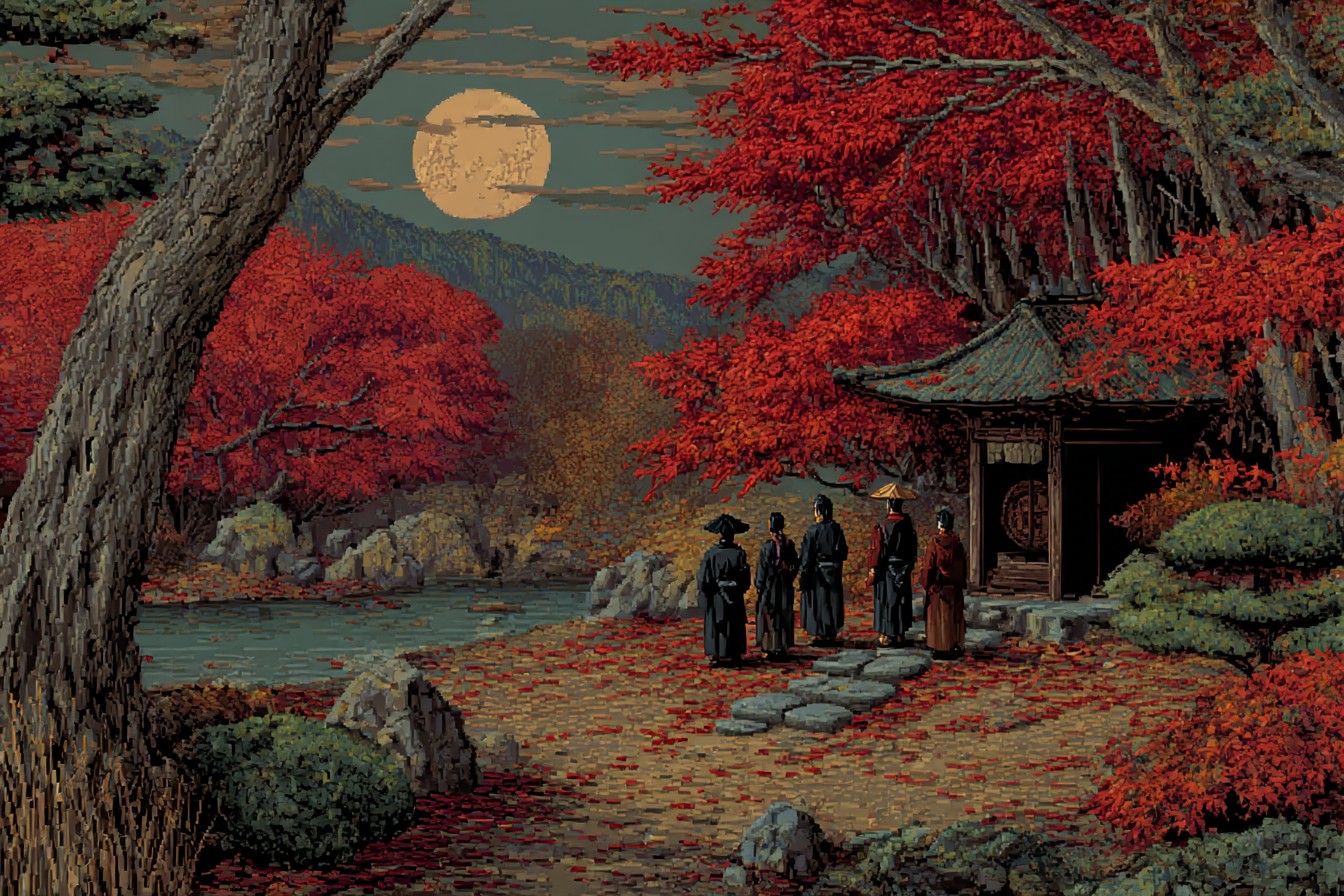
Playing through it now on my trusty RetroTINK setup, it still holds up brilliantly. Sure, the pixels are sharp enough to cut glass on a modern display, but the gameplay feels timeless. I've introduced it to my nephew recently—he's about the age I was when I first played it—and watching him discover those same moments of flow and mastery has been pure joy. He's not bothered that it doesn't have trophy notifications or achievement unlocks. Good gameplay is good gameplay, regardless of when it was made.
What strikes me most about Shinobi III is how confident it feels. This wasn't Sega trying to copy what Nintendo was doing or chase some trend. This was them at their absolute peak, creating something uniquely theirs. The game oozes personality in every frame, from Joe's swagger to the over-the-top boss designs to those beautifully choreographed action sequences.
It's the sort of game that reminds you why we fell in love with this hobby in the first place. Not because of fancy graphics or impressive tech specs, but because someone had a brilliant idea—"what if being a ninja felt this good?"—and then executed it flawlessly. They made a game that trusted you to get better, rewarded you for trying, and never forgot that the whole point was to have fun.
Every time I fire up Shinobi III, I'm transported back to that carpet, that cup of tea, that first glimpse of something extraordinary. Some games are products of their time. Others are timeless. This one? This one's eternal.