I'd been tinkering with my N64 controller collection last night—cleaning the analog sticks, replacing that infamous bowl-shaped plastic bit that always wore out—when my daughter wandered over and asked why the controller looked "so weird." Three prongs? Who designs a three-pronged controller? Fair question, really. But as I held up that grey plastic boomerang, muscle memory kicked in like an old friend.
See, before Super Mario 64, we'd all been living in a flat world. Sure, we had Doom and Wolfenstein on PC, but those were corridors dressed up as rooms. We had Star Fox on SNES, but that was rails pretending to be sky. Mario 64 was the first time I truly felt like I was walking around inside a television set, and it was bloody brilliant.
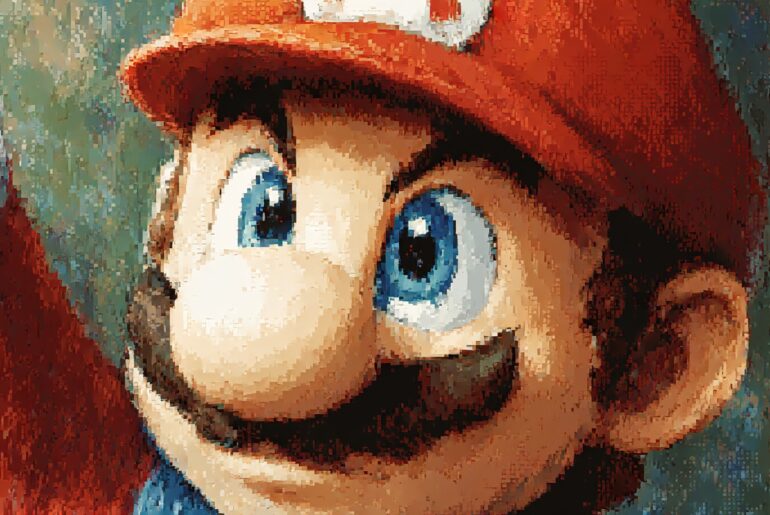
Christmas 1996. Still remember the smell of that cardboard box when we cracked it open—that particular Nintendo scent of fresh plastic and instruction manuals printed on proper paper. The console itself looked like a spaceship designed by someone who'd watched too much Tomorrow's World, all curves and that weird expansion port on the front that screamed "we've got plans." But it was Mario's face on the title screen that made my brain do a little skip. You could grab his nose. His actual nose. With an analog stick that clicked and sprung back like it meant business.
That first moment in Princess Peach's courtyard wasn't just revolutionary—it was like learning to walk again. I'd spent years hammering d-pads, treating movement like a compass rose: up, down, left, right, and the diagonal compromises in between. Suddenly I could tilt that grey stick just slightly and Mario would amble. Push it harder and he'd jog. Slam it to the edge and off he'd sprint, and the camera—oh, the camera—would swing around like it was attached to his shadow.
The camera system deserves its own monument, honestly. Those yellow C buttons weren't just camera controls; they were your window into understanding three-dimensional space for the first time. You'd wrestle with them initially—everyone did. The right stick for movement didn't exist yet, so Lakitu's camera became this fourth character you had to negotiate with. Sometimes it'd get stuck behind a wall. Sometimes it'd swing too far and show you nothing but Mario's plumber crack. But when it worked—when you'd nail that perfect angle to line up a long jump onto a narrow platform—you felt like a cinematographer and a stuntman rolled into one.
My mate Steve came over the day after Boxing Day, controller in hand, ready to take turns. That's how we played back then—hot seat multiplayer, passing the pad like a sacred relic. He spent twenty minutes just running Mario around in circles, giggling every time the little Italian bloke would skid to a halt with that arms-out animation. "It feels so smooth," he kept saying, and he was right. After years of rigid 8-direction movement, analog control felt like silk.
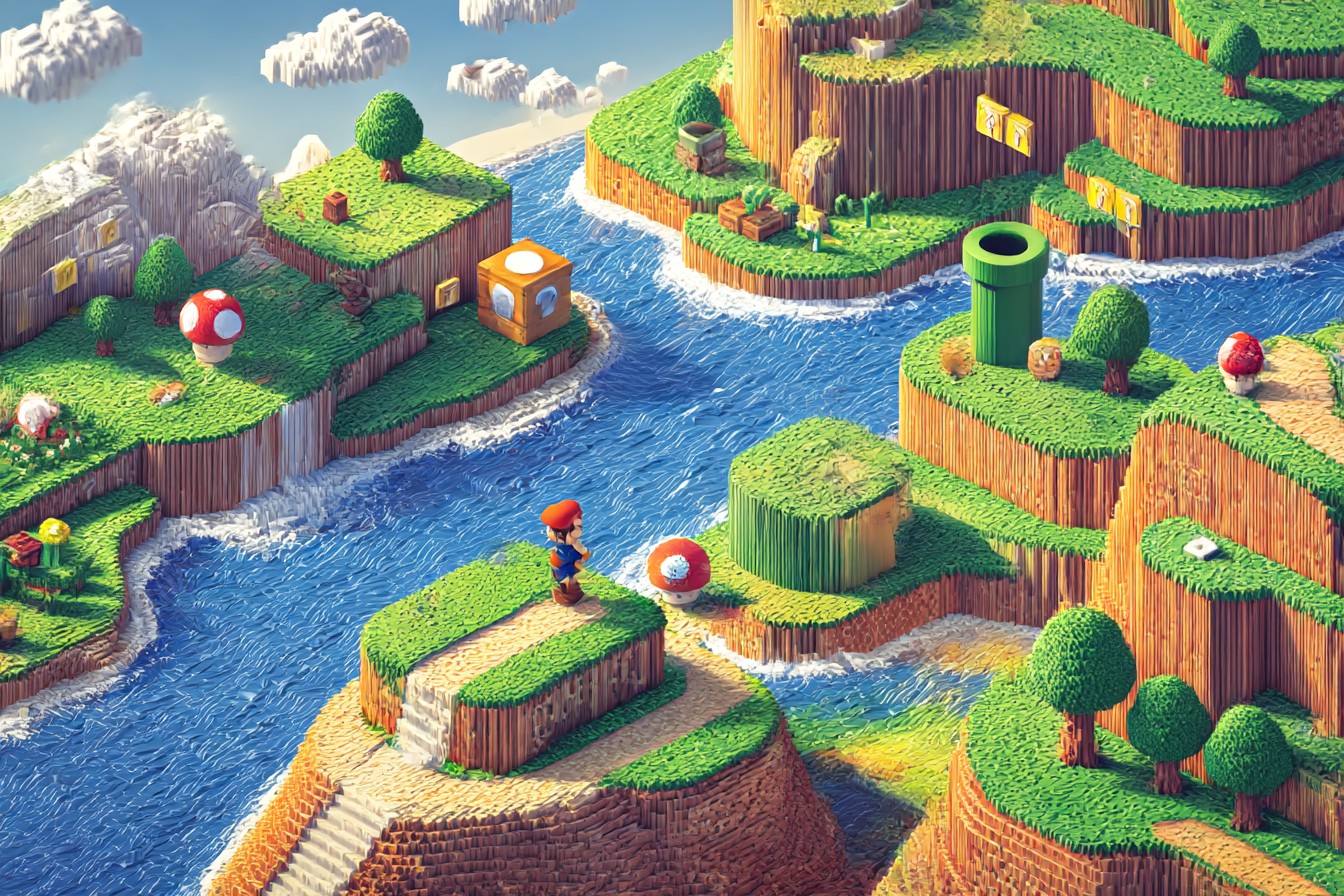
But it wasn't just the stick that made Mario 64 special—it was how the entire game was designed around this new way of moving. Every level was a playground, not a linear obstacle course. The paintings in Peach's castle weren't just doorways; they were invitations to explore. Bob-omb Battlefield taught you how to run up hills that actually looked like hills. Jolly Roger Bay let you swim in three dimensions, which still makes me slightly dizzy if I think about it too hard.
I'll never forget the first time I climbed that endless staircase to Bowser. You know the one—where the steps just keep generating unless you've got enough stars. Running up those stairs with the camera trailing behind felt like being inside an Escher painting. And when you finally reached the top with your hard-earned star count? The satisfaction was pure gaming gold.
The Z-trigger deserves special mention here. Before Mario 64, crouch was just crouch. But that Z-trigger made crouching tactical. You'd crawl under Thwomps, duck-slide down slopes, and—most importantly—you'd crouch to get that perfect camera angle for tricky jumps. It sounds simple now, but back then, having a dedicated button just for getting low was revolutionary. Made you feel like a tiny action hero.
Course, it wasn't perfect. That camera could be an absolute nightmare in tight spaces. The analog stick would develop dead zones after a few too many Mario Party sessions (different story, that). Some of those stars were placed with what I can only describe as sadistic glee—I'm looking at you, rainbow ride, with your flying carpets and precision jumps. But the imperfections somehow made it more endearing. You learned to work with the system, not against it.
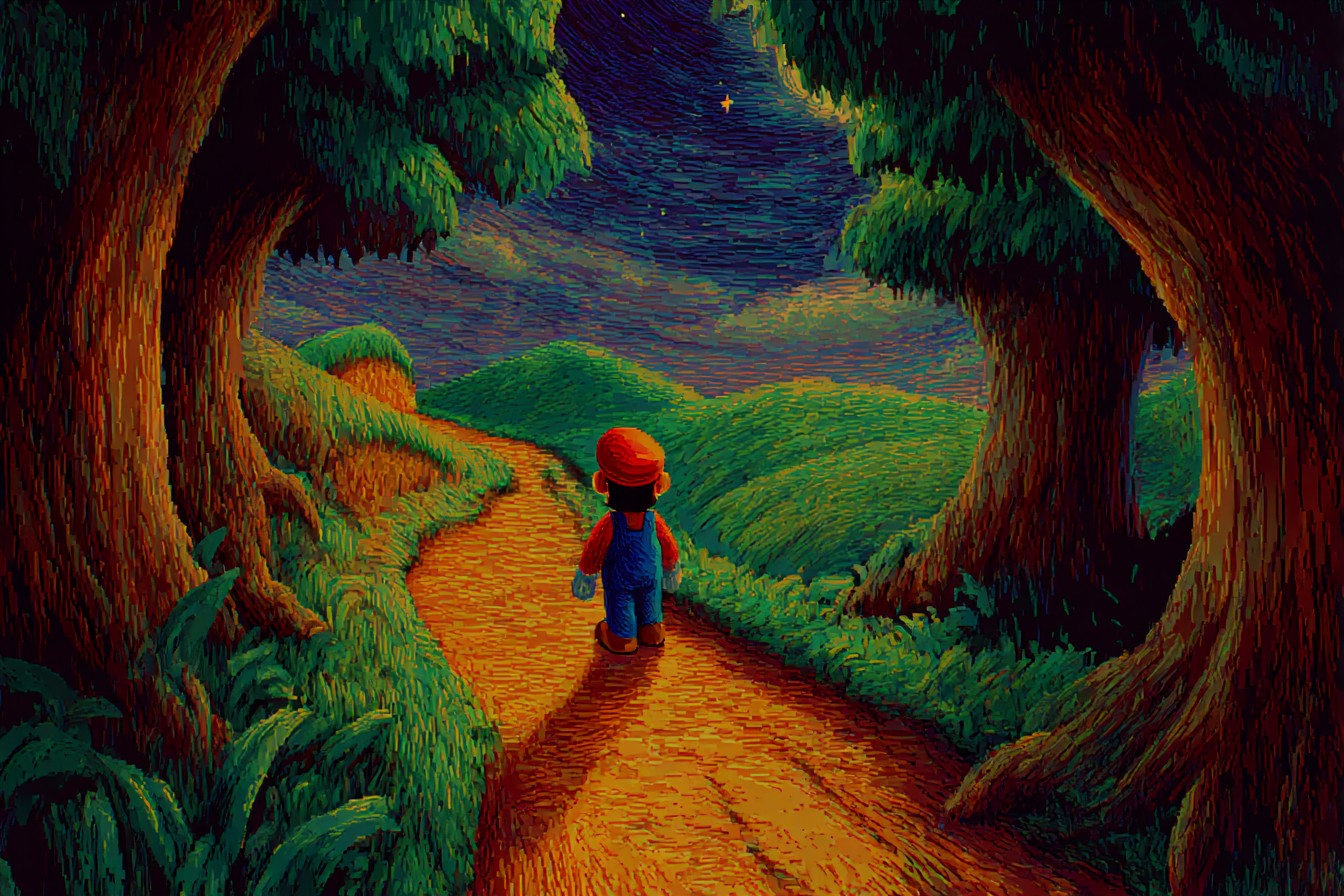
What really gets me, though, is how Mario 64 changed everything that came after. Once you'd experienced true analog movement, going back to d-pad platformers felt like wearing shoes two sizes too small. Every 3D game since then owes something to those design choices—the way Ocarina of Time's lock-on system freed you from camera wrestling, how GoldenEye's control scheme built on that foundation, even how modern games still use variations of Mario's movement vocabulary.
I still boot it up sometimes on original hardware, just to remember what that first taste of 3D freedom felt like. The polygons are chunky by today's standards, sure, but there's something about those simple shapes that makes the whole experience feel honest. Transparent. You can see exactly what the game is trying to do, and it does it with such confidence that you can't help but smile.
My daughter tried it last week after I'd fixed that controller. She struggled initially—kept trying to move like she was playing Minecraft, all cardinal directions and sudden stops. But twenty minutes in, she was long-jumping over gaps and backflipping just for the joy of it. "This is actually pretty fun," she admitted, which from a ten-year-old raised on modern games is practically a standing ovation.
That's the thing about Mario 64, isn't it? Beneath all the technical innovation and historical importance, it's just ridiculously fun to play. Revolutionary? Absolutely. But more than that—joyful.