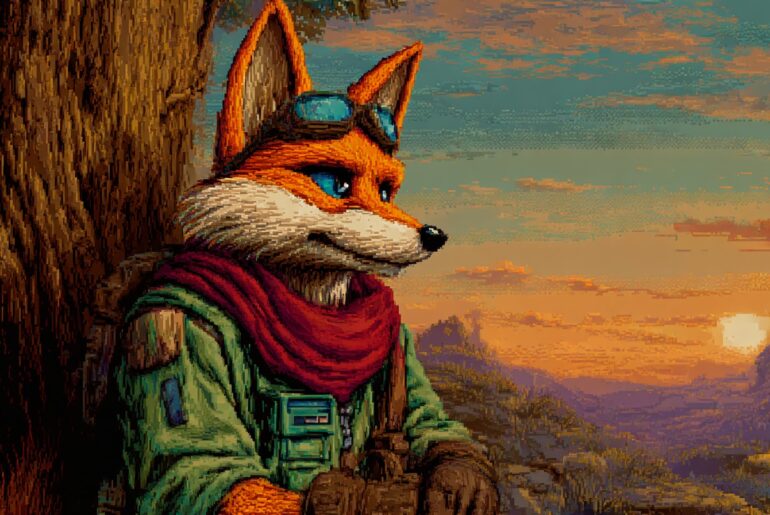
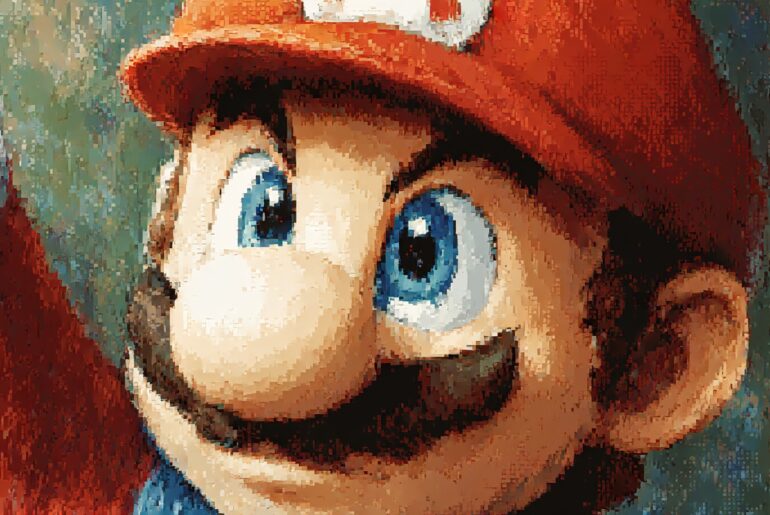
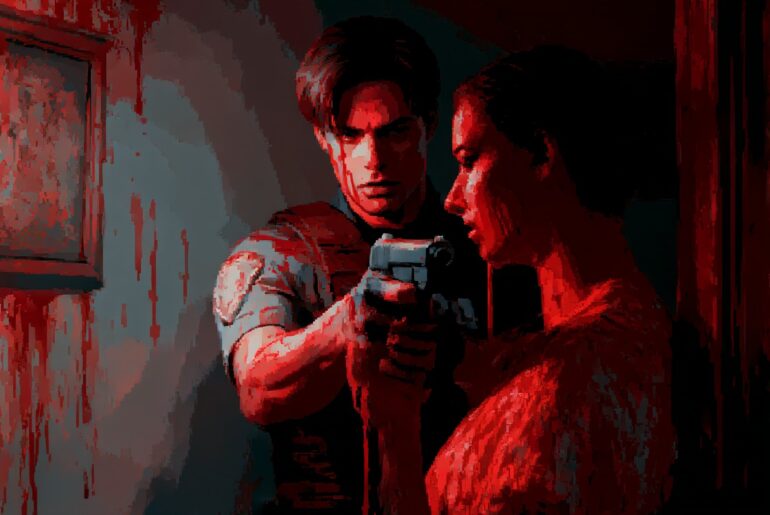
There's something magical about stumbling across a game that shouldn't work but absolutely does. Picture this: 1995, and Disney's about to unleash their first fully computer-animated film on the world. Pixar's still this scrappy little studio that most people couldn't even pronounce properly, and here comes Toy Story—this revolutionary thing that looked like nothing we'd seen before. Naturally, the suits decided it needed a video game tie-in. What they gave us on the Mega Drive was… well, it was bloody brilliant, actually.
I remember renting it from our local Blockbuster on a Friday night, skeptical as anything. Movie games had a reputation, didn't they? Usually rushed, usually rubbish, usually something you'd play once and forget. The cartridge felt lighter than most—probably saved money on ROM chips, I thought—but when that familiar Sega logo chimed and Woody's face appeared on the title screen, something felt different. The sprite work was gorgeous. Proper gorgeous. They'd somehow captured that plastic-fantastic look of the toys without making it feel cheap or flat.
The game opens with Andy's room rendered in glorious 16-bit detail, and you can almost smell the carpet and hear the radiator ticking. Playing as Woody, you're immediately thrown into this world where toys come alive when humans aren't looking—which the film nailed, obviously, but translating that to a platformer could've gone horribly wrong. Instead, Traveller's Tales (yeah, the LEGO game people, back when they were doing proper platformers) created something that felt like playing inside the movie.
What struck me first was how the jumping felt. Woody's got this bouncy, ragdoll physics thing going on that makes perfect sense for a pull-string cowboy. He doesn't jump like Mario or Sonic—he sort of flails and tumbles through the air in this wonderfully authentic way. There's weight to him, but also that loose, floppy quality you'd expect from a fabric toy. Genius touch, that. Made every leap feel distinctly… Woody-ish.
The level design borrowed heavily from the film's key scenes, but expanded them in ways that actually made sense. Take the opening sequence in Andy's room—in the movie, it's maybe two minutes of toys scrambling to get back in position. In the game, it becomes this frantic obstacle course where you're dodging Andy's footsteps (represented by these massive shadows that'll squash you flat) while trying to reach your designated spot. The tension's real, even though you know it's just pixels and code.
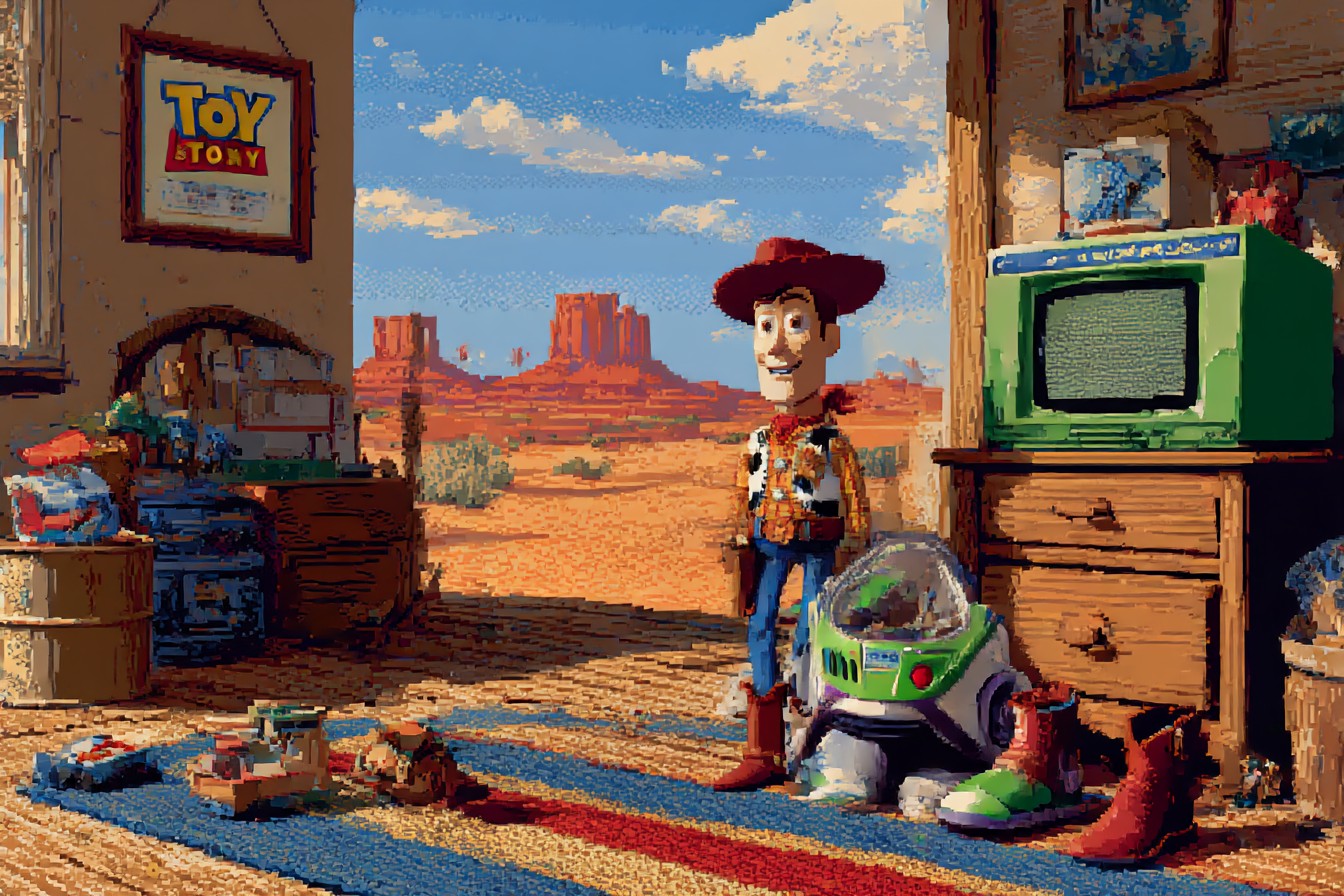
But here's where it gets properly clever: the game doesn't just follow the film beat-for-beat. It expands the world. There are entire levels set in areas we only glimpsed in the movie—under beds, inside toy boxes, behind furniture. Each area feels lived-in and authentic to that particular toy's-eye view of the world. Crawling through dust bunnies the size of boulders, using building blocks as platforms, swinging from lamp cords—it's like being shrunk down and let loose in a real kid's bedroom.
The controls are tight as anything. Six-button pad support meant you could map actions sensibly—jump, action, run. Woody can lasso objects and enemies, which sounds gimmicky but actually works brilliantly. The lasso physics feel weighty and satisfying, and there's genuine skill in learning the timing and range. Some platformers from this era feel floaty or imprecise, but Toy Story nails that sweet spot where every death feels like your fault, not the game's.
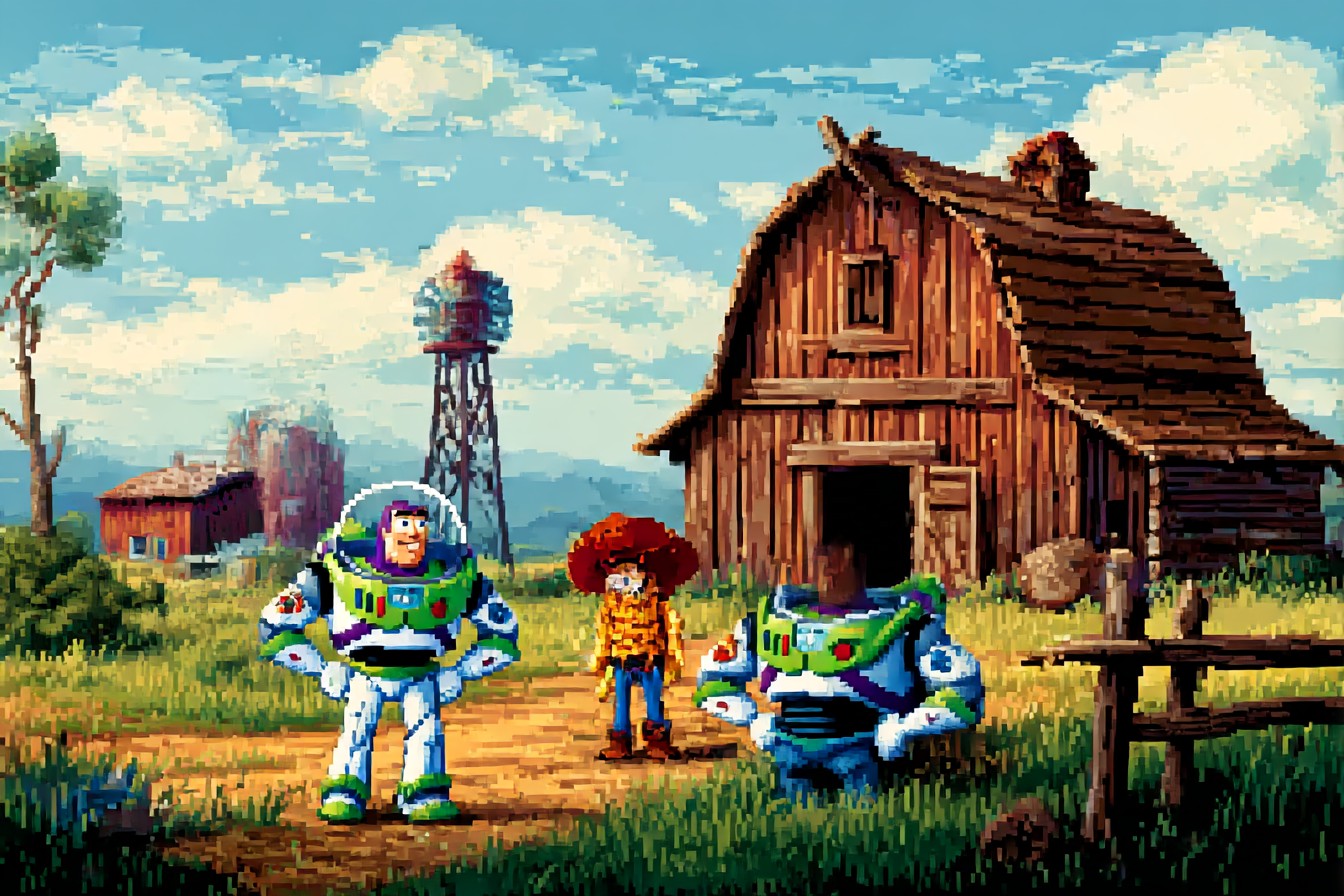
Visually, it's a treat. The color palette captures that warm, domestic feel of Andy's house perfectly. Everything's bright and primary-colored without being garish. The background art shows real attention to detail—you'll spot toys scattered around that didn't make it into the main cast, little environmental storytelling touches that show someone actually watched the film and understood what made it special. The parallax scrolling's smooth as butter, too. My old Trinitron ate it up.
Audio-wise, they couldn't get the film's voice cast (licensing costs, I imagine), but the music captures that Danny Elfman whimsy perfectly. Each level has its own musical identity, from the playful domestic themes of Andy's room to the more urgent, percussive tracks when you're facing down Scud the dog or navigating Sid's horrifying toy modifications. The sound effects are spot-on as well—Woody's footsteps have that hollow, plastic quality, and the environmental sounds really sell the scale. When you're tiny, everything echoes differently.
The difficulty curve's well-judged. Early levels ease you into the mechanics without being patronizing, while later stages—particularly anything involving Sid's house—ramp up the challenge considerably. There's one sequence where you're navigating a kitchen while avoiding a cat that still makes my palms sweaty. The hit detection's fair, the checkpoint system's forgiving enough to encourage experimentation, and there are enough secrets tucked away to reward exploration without making completion feel impossible.
What really impresses me, looking back, is how the game understood its source material. This wasn't just a cash-grab with Toy Story sprites slapped onto a generic platformer engine. The developers clearly watched the film, understood its themes and visual language, then built a game that felt like a natural extension of that world. Every enemy makes sense within the toy mythology—toy soldiers, jack-in-the-boxes, wind-up toys gone wrong. Even the power-ups feel authentic—batteries for energy, toy parts for upgrades.
Playing it now on original hardware (yes, I've got my old cart, and yes, it still works perfectly), it holds up remarkably well. The sprite animation's still fluid, the level design still clever, the whole thing still radiates that particular charm that made the first Toy Story film such a landmark. It's not trying to be revolutionary or push technical boundaries—it's just trying to be a really good platformer based on a really good film. Mission accomplished, I'd say.
Sometimes the best movie tie-ins are the ones that understand they're games first, advertisements second. Toy Story on the Mega Drive got that balance exactly right.