Man, I gotta be honest – when I first got my hands on an N64 controller back in ’96, I thought Nintendo had completely lost their minds. Three handles? What am I, some kind of mutant? And don’t get me started on that analog stick that made weird clicking noises every time you moved it. My Sega Saturn’s controller was perfect – clean, simple, made sense. This Nintendo thing looked like it was designed by committee after a particularly long lunch break.
But then Pokemon Stadium 2 happened, and suddenly that weird alien controller felt like it was custom-built for catching ’em all.
See, I wasn’t really a Pokemon kid initially. I was too busy defending the Saturn and trying to convince anyone who’d listen that Panzer Dragoon was better than whatever Nintendo was doing. But my nephew got Pokemon Blue for Christmas ’98, and watching him play on that tiny Game Boy screen – squinting under every lamp in the house, tilting the thing at impossible angles to catch some light – I started to get curious. Those little pixelated creatures had personality, even as 8-bit sprites.
Fast forward to 2000, and I’m standing in a Toys R Us (RIP) staring at Pokemon Stadium 2, thinking about how this might be the first time those pocket monsters actually got to stretch their legs on proper hardware. The N64 wasn’t exactly known for technical prowess – hell, it was still using cartridges when everyone else had moved to CDs – but it had enough juice to make these creatures look like actual creatures instead of animated chess pieces.
The Transfer Pak was the real genius move here. Nintendo basically created this little bridge between the Game Boy’s world and the N64’s world, and it worked better than it had any right to. You’d slide your Game Boy cart into this adapter thing that plugged into your controller – yeah, the controller, which was weird but somehow felt right – and suddenly your carefully trained team was available in glorious 3D.
I borrowed my nephew’s copy of Blue and spent way too much time just watching his Pokemon move around in Stadium 2’s battle system. That Blastoise he’d been so proud of? It looked incredible firing water cannons with actual splash physics. His Charizard breathed fire that lit up the entire screen. Even his Pidgeot – which, let’s be real, nobody cares about Pidgeot – looked majestic swooping around the battle arena.
The battles themselves had this weight that the Game Boy versions couldn’t touch. When someone used Earthquake, the screen shook and the controller vibrated. Thunder attacks turned the whole arena white for a split second, like a photographer’s flash going off in your face. Hyper Beam had this dramatic pause before impact that made you feel like something genuinely devastating was about to happen. Every attack felt consequential instead of just being a text box that said “It’s super effective!”
What really got me hooked were the mini-games. Look, I’m not proud of this, but I spent hours – HOURS – playing Ekans’ Hoop Hurl, trying to nail perfect shots while my nephew laughed at how seriously I was taking a children’s game. That analog stick finally made sense for something. The precision you needed to thread those hoops at higher difficulties actually utilized the N64 controller’s strengths instead of fighting against them.
Furret’s Frolic became this weird family bonding experience. My sister would come over with her kids, and we’d all crowd around the TV playing what was essentially a souped-up version of those old track and field games where you mashed buttons as fast as possible. Except now it was cute ferret Pokemon running relay races, and somehow that made the frantic button mashing feel wholesome instead of ridiculous.
The rental Pokemon system was brilliant for someone like me who hadn’t actually put in the time to catch everything. Want to see what Mewtwo can do without spending weeks trying to catch the thing? Here you go. Curious about whether Dragonite lives up to the hype? Take one for a test drive. It was like having access to the entire Pokemon roster without the grinding, which appealed to my adult sensibilities while still maintaining the strategic depth that made the battles interesting.
Stadium 2 also had these different battle cups with various restrictions that kept things fresh. The Little Cup turned baby Pokemon into legitimate competitors, which was hilarious and surprisingly strategic. Prime Cup had its own meta-game where you’d discover weird team combinations that worked way better than they should have. The Gym Leader Castle let you work through increasingly difficult AI trainers who actually seemed to have strategies beyond “use your strongest attack.”
I’ll admit the loading times were rough. Sitting through those battle introductions while Pokemon slowly materialized got old fast, especially when you just wanted to try different team combinations. But there was something satisfying about the dramatic presentation too. When the announcer bellowed “Charizard, I choose you!” and that dragon emerged from its pokeball with flames already flickering around its tail, the wait almost felt worth it.
The Pokemon Academy sounds educational, but really it was just an excuse to battle more trainers and experiment with different strategies. The lessons covered type effectiveness and status conditions, but they also let you play around with Pokemon you’d never normally train without the commitment of actually raising them in the main games.
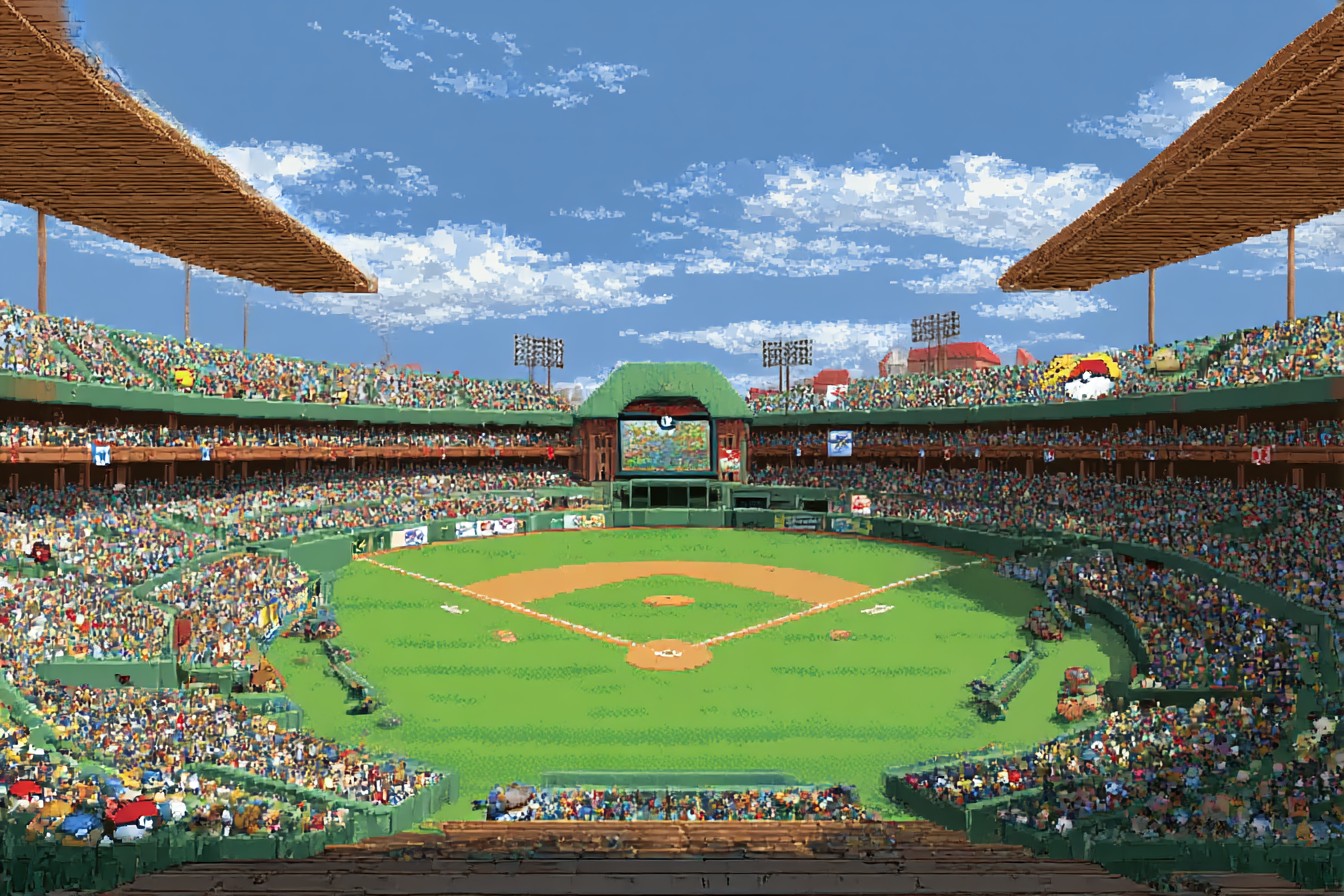
What struck me most was how Stadium 2 proved that Pokemon could work as a console experience without losing what made them special in the first place. The turn-based battles were still pure strategy, but now they had cinematic flair that made every decision feel important. Your Pokemon weren’t just sprites representing stat blocks anymore – they were performers on a stage, and every move was a showcase of their unique abilities.
The different camera angles during battles added drama that the Game Boy versions couldn’t touch. Super effective hits got swooping camera work that emphasized the impact. Critical hits had this satisfying freeze-frame moment before the damage registered. Even misses looked appropriately pathetic, with attacks whiffing past their targets in ways that made you feel genuinely disappointed in your Pokemon’s performance.
Looking back, Stadium 2 was probably the peak of Pokemon as a spectacle sport. The battles had pageantry, the mini-games had personality, and the whole experience felt like what Pokemon battles would actually look like if they existed in real life. Modern Pokemon games have better graphics, sure, but they’ve never quite recaptured that sense of wonder I felt watching my nephew’s carefully trained team come to life on my TV screen.
I still have that Transfer Pak somewhere in my game room, probably buried under a pile of Saturn imports and Dreamcast peripherals. Every once in a while I’ll dig it out and boot up Stadium 2 on original hardware, just to remember what Pokemon looked like when they had room to breathe and attacks that felt like they could actually hurt. That N64 controller still feels weird for about thirty seconds, then muscle memory kicks in and I’m ready to see if my rental Alakazam can sweep another tournament.
Sometimes the best gaming experiences happen when you least expect them, using hardware that shouldn’t work for games you never thought you’d care about.

Joe’s a history teacher who treats the console wars like actual history. A lifelong Sega devotee from Phoenix, he writes with passion, humor, and lingering heartbreak over the Dreamcast. Expect strong opinions, bad puns, and plenty of “blast processing.”