Archive

January 2026

Browsing

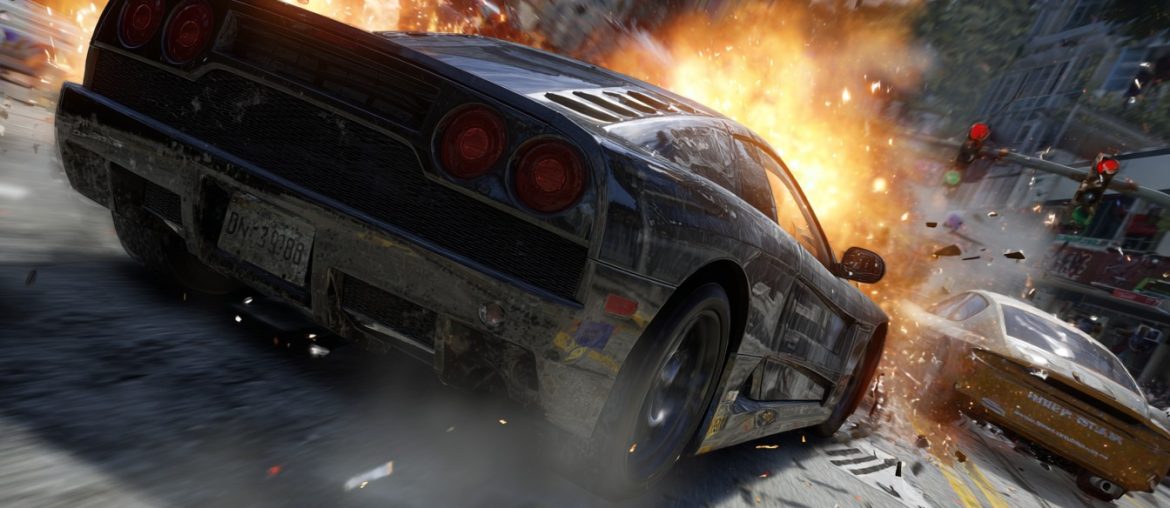
I came to Burnout 3 expecting a competent arcade racer. What I found was a complete philosophy shift about what racing games could be. Coming from construction, I understand something about breaking things down and rebuilding better. Burnout 3 took racing game conventions and completely rebuilt them around destruction as a core mechanic. Instead of avoiding crashes, you embrace them. You ram opponents. You create massive pile-ups. The wreckage becomes the point. This is design…

Here’s something I teach in my history classes – sometimes the best adaptations of existing franchises come from developers who aren’t afraid to ignore the source material’s most famous characters. Knights of the Old Republic proves this perfectly. BioWare made a Star Wars game that’s excellent not because it leverages Luke Skywalker or Darth Vader, but because it creates genuinely compelling original characters and tells a story that respects player agency through moral choice. Before…

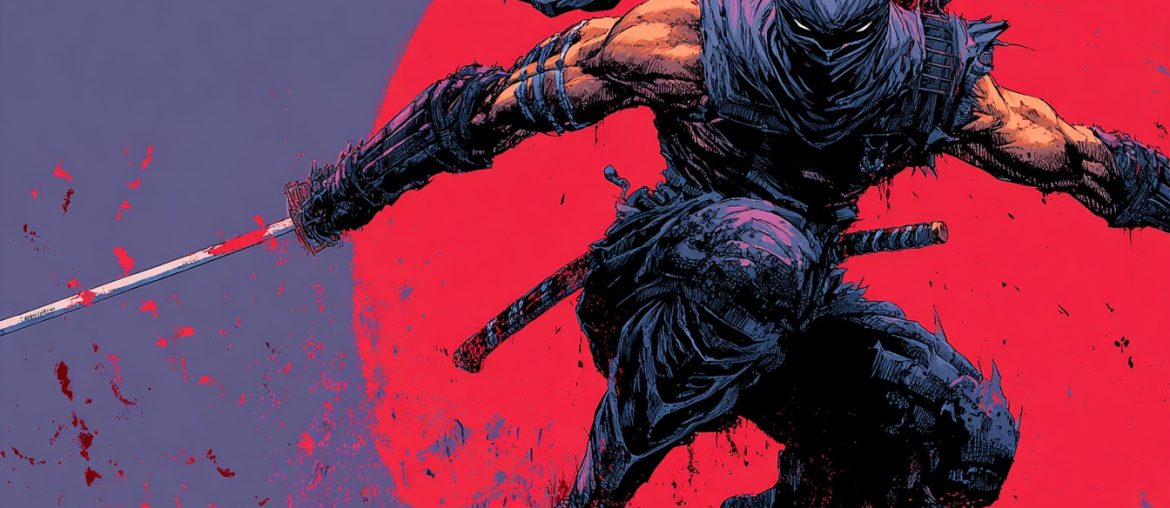
I’ve been analyzing action game design since the arcade era, which means I understand when difficulty is punishing and when it’s fair. Ninja Gaiden by Team Ninja achieves the rare balance where extreme difficulty feels earned and fair. Ryu Hayabusa is a ninja fighting impossible odds with grace and precision. The combat demands mastery. You will die repeatedly. But death feels like your mistake, not the game’s unfairness. That’s design excellence. What impresses me about…

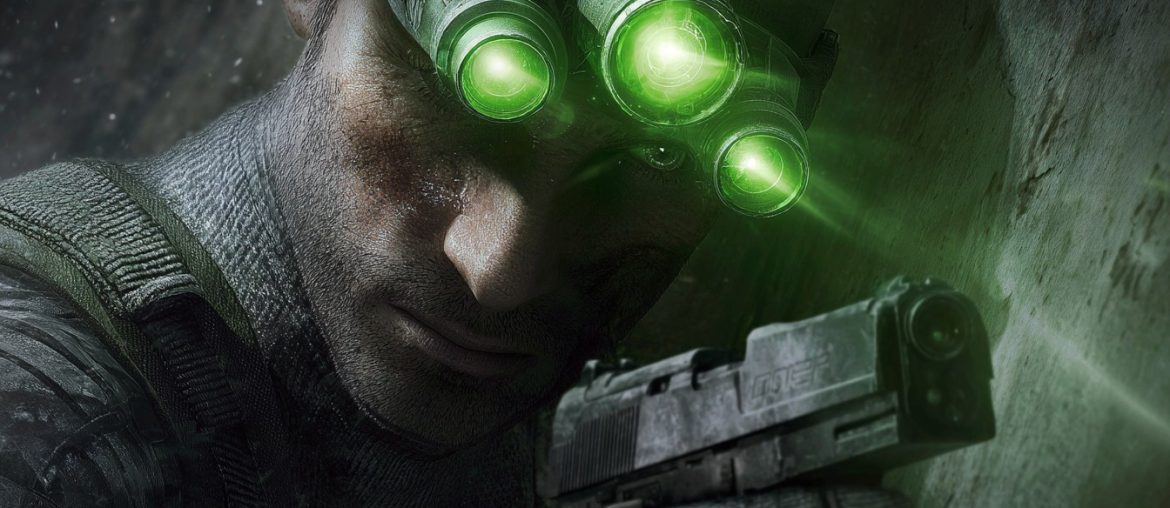
I’ve been gaming since the early 1980s, which means I’ve watched enough ambitious projects to recognize when a developer genuinely understands their vision. Splinter Cell is Ubisoft showing absolute mastery of third-person stealth design. This is a game where every system serves creating tense, careful, strategic gameplay. You’re Sam Fisher, a spy infiltrating enemy facilities using gadgets and stealth. The lighting system is fundamental – you can hide in shadows and visibility is realistic. You…

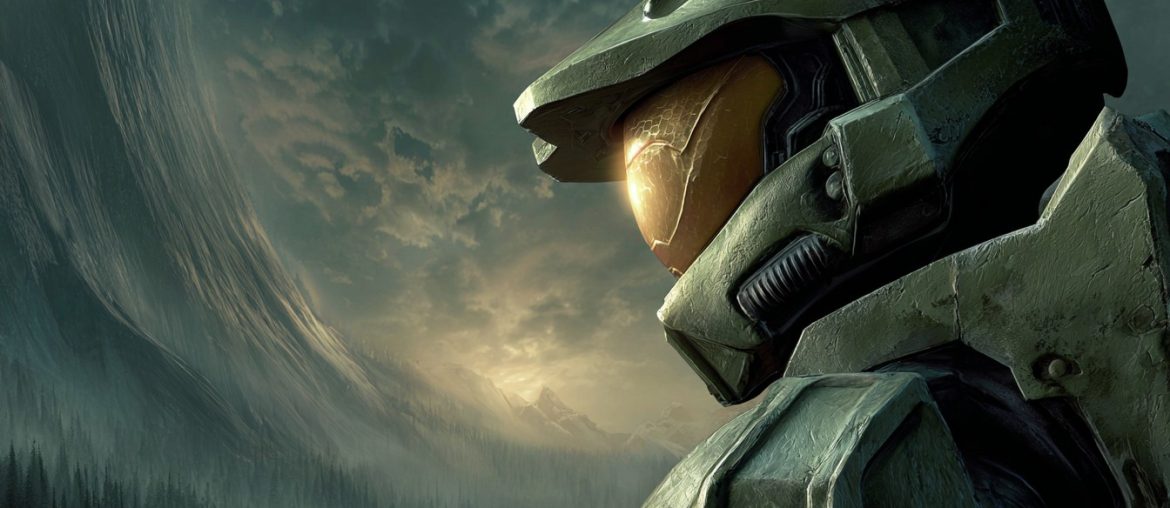
Here’s something I teach in my history classes – sometimes a single product can pivot an entire industry. Halo: Combat Evolved is that product. Microsoft entered console gaming in 2001 with aggressive marketing and significant third-party support, but they needed a system-seller. Something that would make people buy Xbox instead of PlayStation 2. Bungie delivered exactly that with Halo, and in doing so, proved that first-person shooters didn’t belong exclusively to PC gaming. Before Halo,…

Microsoft showed up to console gaming in 2001 and immediately proved they understood how to compete. The Xbox was aggressively marketed. The online infrastructure was built-in from day one. The third-party support was unprecedented – major studios were developing for Xbox from launch. And most importantly, there was Halo. A game so good that it didn’t just justify the console’s existence – it redefined what console gaming could be. We spent three weeks arguing not…

Right, so picture this – I’m rootling through this grotty charity shop in Ancoats last Tuesday, yeah? Proper old-school place that still smells like your nan’s house, and there’s this cardboard box tucked behind some knackered VHS tapes. Bloke behind the counter goes “fiver for the lot, mate” without even looking up from his Daily Mirror. Five quid! For what turned out to be a treasure trove of Mega Drive carts, including – and I’m…

I came to retro gaming as an adult without childhood nostalgia, which means I approach it practically. Coming from construction, I understand something about building things efficiently and understanding where to spend money and where to save it. Retro gaming doesn’t have to be expensive. The collector market has inflated prices for complete games with original packaging, but playing retro games affordably is absolutely possible if you’re willing to make different choices than collectors. The…

That chunky six-button controller showed up at my friend Mike’s house on a random Saturday in 1993, and I swear it changed everything about how we thought about fighting games. Mike had been bragging about it all week at school – three extra buttons, he kept saying, like that somehow made him gaming royalty. I figured it was typical Mike exaggeration until I actually held the thing. The weight felt different, more serious somehow. Instead…

Back in 1991, I was twelve years old and completely convinced that my Genesis was about to change the world. I’d been defending Sega since getting my Master System three years earlier – you know how it is when you’re the weird kid with the “wrong” console – but Sonic felt different. This wasn’t just another exclusive game to add to my arsenal of playground arguments. This was ammunition. I still remember unwrapping that first…